
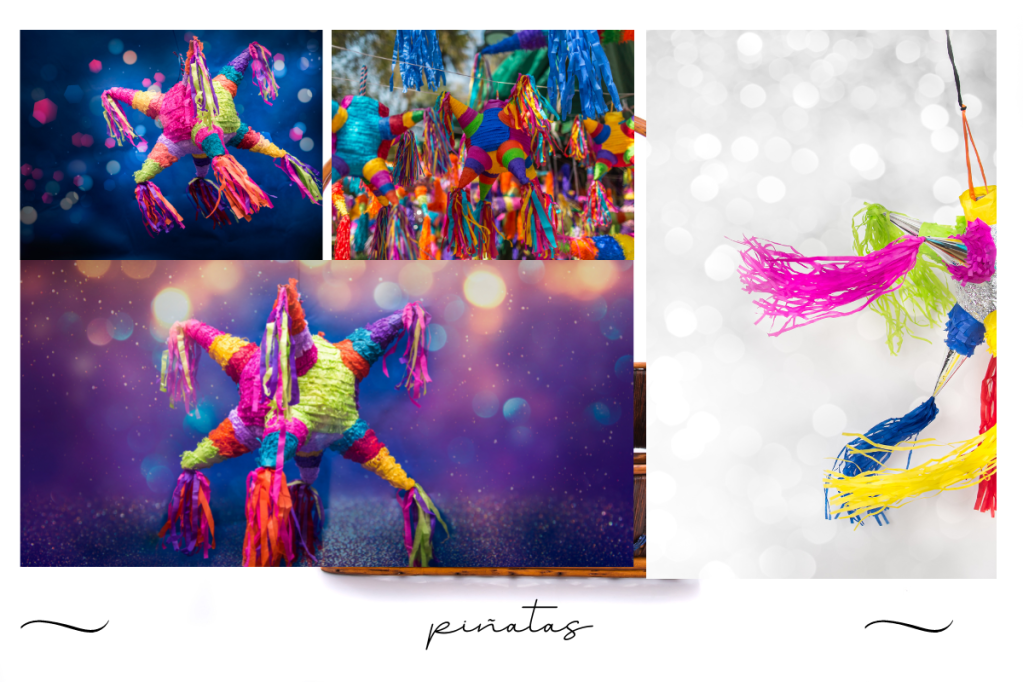
Introduction: Piñatas are a popular party decoration, especially in Latin American countries. These colorful and festive objects are often filled with candy or small toys and are traditionally broken open during birthday parties or other celebrations. In this article, we will explore the history of piñatas, their cultural significance, and provide step-by-step instructions on how to make your own.
History of Piñatas: The origins of piñatas are debated, but it is believed that they originated in China before being introduced to Europe and eventually making their way to Mexico and other Latin American countries. Originally, piñatas were shaped like animals or other objects and were used in religious ceremonies. The piñata was filled with fruit, and blindfolded participants would take turns hitting the piñata with a stick until it broke open and the fruit fell out. The symbolism of the piñata was that the fruit represented temptation, and breaking the piñata represented overcoming temptation.
In the 16th century, Spanish missionaries introduced the piñata to Mexico, where it became a popular tradition during Christmas time. Over time, the shape of the piñata evolved to become more colorful and decorative, and the filling changed to include candy and small toys.
Cultural Significance: In Latin American cultures, piñatas are often used as part of birthday celebrations or other special events. The piñata is seen as a symbol of good luck and is believed to bring happiness and prosperity to the partygoers. The act of breaking the piñata is seen as a symbol of overcoming obstacles and achieving success.
In addition to their cultural significance, piñatas have also become a popular party decoration in other parts of the world. They are often used at children’s birthday parties, where they provide a fun and exciting activity for the children to participate in.
How to Make Your Own Piñata: Making your own piñata is a fun and easy craft project that can be completed in just a few hours. Here are the step-by-step instructions on how to make your own piñata:
Materials:
- Balloon
- Newspaper
- Flour
- Water
- Crepe paper or tissue paper
- Scissors
- Glue
- String or ribbon
- Candy or small toys to fill the piñata
Instructions:
- Blow up a balloon to the desired size and tie it off.
- Tear newspaper into strips.
- Mix flour and water together in a bowl to create a paste.
- Dip the newspaper strips into the paste and place them onto the balloon, covering it completely. Leave a small opening at the top.
- Allow the piñata to dry completely, which may take several hours or overnight.
- Once the piñata is dry, pop the balloon and remove it from the inside of the piñata.
- Cut a small hole in the top of the piñata and fill it with candy or small toys.
- Cover the hole with crepe paper or tissue paper and glue it in place.
- Cut strips of crepe paper or tissue paper and glue them to the piñata to create a decorative covering.
- Attach string or ribbon to the top of the piñata to hang it up.
Piñatas: A Fun Activity for Any Occasion
Piñatas have been around for centuries, and their popularity continues to grow. They are a fun and exciting activity for all ages and can be used for a variety of occasions, including birthdays, holidays, and other celebrations. In this article, we will explore more about piñatas and their uses.
Piñatas for Birthdays: One of the most common uses for piñatas is at birthday parties. Children love to participate in the piñata game, where they take turns hitting the piñata with a stick until it breaks open and candy or toys fall out. Piñatas can be customized to fit any birthday party theme, such as princesses, superheroes, or animals. They can also be made in various shapes and sizes, from traditional animal shapes to letters or numbers that represent the birthday child’s age.
Piñatas for Holidays: Piñatas are also a popular tradition during certain holidays. In Mexico, for example, piñatas are commonly used during Christmas time, where they are shaped like a star and filled with fruit, nuts, and candies. Each of the seven points of the star represents one of the seven deadly sins, and breaking the piñata symbolizes breaking away from sin. During the Easter season, piñatas can be shaped like Easter eggs or bunnies and filled with treats for children to enjoy.
Piñatas for Weddings: While not as common as other occasions, piñatas can also be used at weddings. In Mexico, it is tradition to have a wedding piñata filled with small toys, candies, and other treats. The piñata is typically shaped like a heart and decorated in the wedding colors. The bride and groom take turns hitting the piñata until it breaks open and the treats fall out, symbolizing the sharing of joy and good fortune with their guests.
Piñata Making Workshops: Piñata making workshops have become a popular activity for group events, such as team-building exercises, family reunions, and birthday parties. In these workshops, participants are given the opportunity to learn how to make their own piñatas from scratch, including the paper mache process and decorating techniques. The finished piñatas can then be used at the event or taken home as a souvenir.
Piñatas as Art: In recent years, piñatas have been recognized as a form of art. Many artists have taken the traditional piñata-making process and turned it into a medium for their own creations. These piñatas can be incredibly detailed and intricate, often featuring political or social commentary. Some artists have even taken the piñata art form to the next level by creating piñata sculptures, which are larger than traditional piñatas and can be exhibited in galleries or public spaces.
Piñatas: A Cultural Tradition and Celebration of Unity
Piñatas are an integral part of many Latin American cultures, and their history dates back to ancient times. These colorful and festive creations are used in a variety of celebrations, from birthdays to weddings to religious holidays. In this article, we will explore the cultural significance of piñatas and how they represent unity and community.
History of Piñatas: The origins of piñatas can be traced back to ancient China, where they were used in religious ceremonies. The piñatas were made of paper mache and filled with seeds, representing the hopes and wishes of the people. The custom was brought to Italy and eventually made its way to Spain in the 13th century. The Spanish adopted the piñata tradition for their own celebrations, including the posadas during the Christmas season.
The piñata was introduced to the Americas by Spanish missionaries, and it quickly became a popular tradition among the indigenous peoples. The original piñatas were made of clay pots covered with paper mache and decorated with feathers, ribbons, and other embellishments. The piñatas were filled with fruit, nuts, and other treats, and the children took turns hitting the piñata with a stick until it broke open and the treats fell out.
Cultural Significance of Piñatas: Piñatas hold great cultural significance in Latin American communities. They are often used in religious ceremonies, such as the posadas, which reenact Mary and Joseph’s search for a place to stay before the birth of Jesus. The piñata represents the devil, and breaking the piñata symbolizes the triumph of good over evil.
Piñatas are also used in other celebrations, such as birthdays, weddings, and quinceañeras. The piñata represents unity and community, bringing people together to celebrate and share in each other’s joy. The act of hitting the piñata symbolizes the obstacles that must be overcome in life, and breaking the piñata represents the triumph of perseverance and hard work.
Types of Piñatas: Piñatas come in a variety of shapes and sizes, depending on the occasion. Traditional piñatas are shaped like animals, such as donkeys, birds, and fish, and are often brightly colored and decorated with paper mache, tissue paper, and ribbons. Modern piñatas can be customized to fit any theme or occasion, including superheroes, cartoon characters, and even political figures.
Making a Piñata: Making a piñata is a fun and creative activity that can be done with friends and family. To make a piñata, you will need a balloon, newspaper, flour, water, tissue paper, and decorations. First, blow up the balloon to the desired size and shape. Mix flour and water to make a paste, and then tear newspaper into strips. Dip the strips of newspaper into the paste and layer them onto the balloon, making sure to cover the entire surface. Let the paper mache dry completely, and then pop the balloon and remove it from the inside of the piñata. Decorate the piñata with tissue paper, ribbons, and other embellishments, and then fill it with treats.
Conclusion: Piñatas are a cultural tradition that has been celebrated for centuries. They represent unity, perseverance, and the triumph of good over evil. Piñatas can be customized to fit any occasion, and making a piñata is a fun and creative activity that can be enjoyed by people of all ages. So, the next time you are planning a celebration, consider incorporating a piñata and celebrate the joy and community that it represents.

