
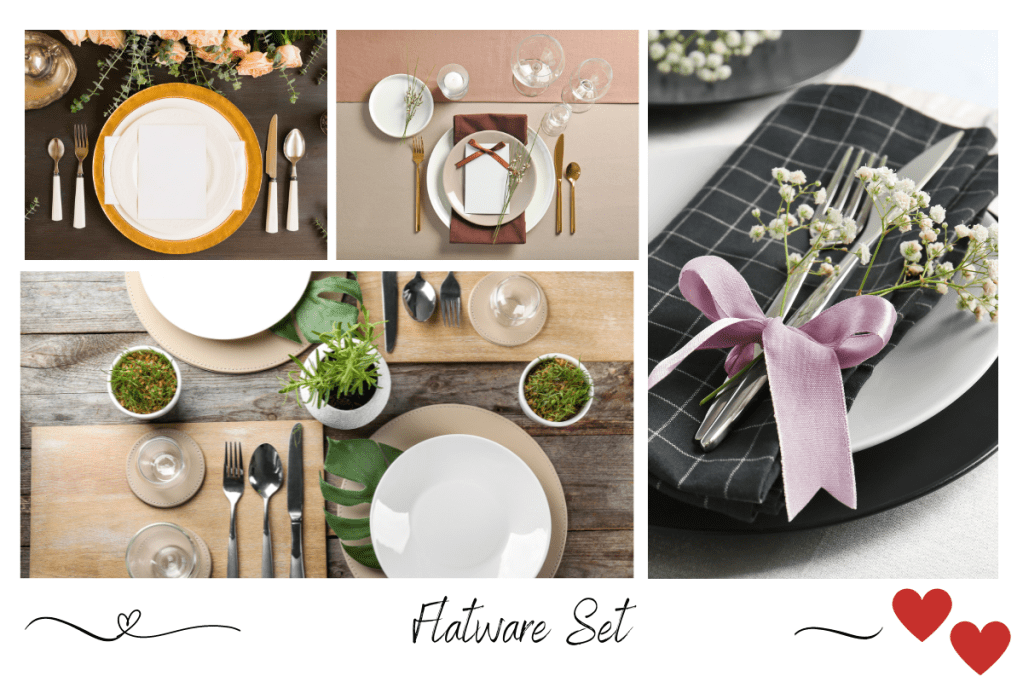
When we sit down to eat, we often take for granted the tools we use to consume our food. Flatware, also known as silverware or cutlery, has been an integral part of dining for centuries. From simple wooden spoons to ornate silver sets, flatware has evolved with the times and reflects the social and economic changes of the eras. In this article, we will explore the history and evolution of flatware from silver to stainless steel and how it has become a staple in our modern lives. This is for Flatware set
Section 1: Early History of Flatware
Flatware has been used for centuries, with evidence of spoons dating back to ancient Egypt and Rome. In medieval Europe, people used knives and spoons made of wood or horn. However, forks were not widely used until the 16th century and were initially seen as a luxury item for the wealthy. It was not until the 17th century that forks became commonplace, and cutlery sets began to emerge.
Section 2: The Rise of Silver Flatware
During the 18th and 19th centuries, silver flatware became a status symbol among the wealthy. It was often intricately designed and decorated, with elaborate patterns and engravings. Silver flatware was expensive and required regular polishing to maintain its shine, making it a symbol of wealth and luxury.
Section 3: The Industrial Revolution and the Introduction of Stainless Steel
With the advent of the Industrial Revolution in the 19th century, mass production of flatware became possible. Manufacturers began producing silver-plated flatware, which was more affordable than solid silver but still required regular polishing. In the early 20th century, stainless steel was introduced, revolutionizing the flatware industry. Stainless steel was durable, rust-resistant, and easy to clean, making it the preferred material for flatware in households worldwide.
Section 4: Modern Flatware Designs
Today, flatware comes in a wide variety of designs and materials. While stainless steel is the most popular material, flatware is also made from silver, gold, and other metals. Modern designs range from simple and sleek to ornate and elaborate, catering to different tastes and preferences.
Section 5: Flatware Maintenance and Care
Proper maintenance and care of flatware are essential to keep it looking its best. Stainless steel flatware should be washed with mild soap and water and dried promptly to prevent water spots. Silver flatware requires regular polishing to prevent tarnishing and should be stored in tarnish-resistant cloth to maintain its shine.
The Dos and Don’ts of Cleaning Your Flatware
Flatware is a crucial part of our daily lives. It’s essential to keep it clean to maintain its longevity and prevent bacteria buildup. In this article, we’ll discuss the dos and don’ts of cleaning your flatware.
Do’s:
- Rinse Immediately After Use:
One of the most important things you can do to ensure your flatware stays clean is to rinse it immediately after use. This step is crucial because it removes any leftover food debris that can cause bacteria buildup. Rinse with hot water to remove grease and oil from the utensils.
- Use Mild Detergent:
When washing your flatware, use mild detergent and warm water. Harsh detergents or abrasive cleaners can damage your flatware’s surface and cause it to lose its shine. Avoid using bleach, as it can cause corrosion on your flatware.
- Hand Dry Your Flatware:
To prevent water spots, hand dry your flatware with a soft cloth immediately after washing. Water spots can cause unsightly stains on your flatware and cause it to lose its shine over time.
- Store Your Flatware Properly:
Storing your flatware properly can prevent it from getting scratched or damaged. Use a flatware tray or drawer organizer to keep your utensils separated and organized.
- Polish Your Flatware Regularly:
To maintain your flatware’s shine, polish it regularly using a soft cloth and a gentle polishing agent. This step can help remove any stubborn stains or discoloration and keep your flatware looking like new.
Don’ts:
- Soak Your Flatware:
Soaking your flatware in water or leaving it in the sink for an extended period can cause it to corrode or develop rust spots. It’s best to clean your flatware immediately after use and avoid soaking it altogether.
- Use Abrasive Cleaners:
Avoid using abrasive cleaners or steel wool to clean your flatware. These products can scratch the surface of your utensils and cause them to lose their shine.
- Put Your Flatware in the Dishwasher:
While many flatware sets are dishwasher safe, it’s best to hand wash your flatware. Dishwashers can cause your flatware to become dull or damaged, and the high heat can cause it to warp or bend.
- Use Lemon or Vinegar:
Although natural cleaners like lemon and vinegar are effective at removing stains, they can cause corrosion on your flatware’s surface. Avoid using these products to clean your flatware.
- Stack Your Flatware:
When storing your flatware, avoid stacking it on top of each other. Stacking can cause scratches or nicks on the surface of your utensils, making them look worn and damaged.
Cleaning and Maintaining Your Flatware: Tips and Tricks for Longevity
Flatware is an essential part of our daily lives, and we use it to eat our food every day. However, many people often neglect the proper maintenance of their flatware, leading to a decline in its longevity. This article aims to provide you with tips and tricks for cleaning and maintaining your flatware, ensuring its longevity and a better dining experience.
- Understand Your Flatware Materials
Different types of flatware materials require different cleaning and maintenance methods. Understanding your flatware materials is crucial to maintaining their longevity. Common types of flatware materials include stainless steel, silver, gold, and plastic.
- Stainless Steel: The most common type of flatware material is stainless steel, which is durable and easy to maintain. You can clean stainless steel flatware using a mild detergent and warm water. Avoid using harsh chemicals, as they can cause discoloration or rust.
- Silver: Silver flatware is elegant and often used for formal dining occasions. It requires special care, as it can easily tarnish. Use a silver polishing cloth to clean and maintain silver flatware, and avoid using a dishwasher.
- Gold: Gold flatware is delicate and requires gentle cleaning. Use a soft-bristled brush to clean gold flatware, and avoid using abrasive sponges or harsh detergents.
- Plastic: Plastic flatware is a popular option for outdoor dining or casual events. It is easy to clean and maintain, but avoid using abrasive sponges or harsh detergents, as they can cause scratches.
- Cleaning Your Flatware
Regular cleaning is essential to maintain the longevity of your flatware. Here are some tips to help you clean your flatware properly:
- Wash your flatware immediately after use: Do not let your flatware sit with food residues, as they can cause discoloration or corrosion.
- Hand wash or use a dishwasher: You can hand wash your flatware using a mild detergent and warm water or use a dishwasher. However, avoid using a dishwasher for silver or gold flatware, as it can cause discoloration or damage.
- Dry your flatware thoroughly: After cleaning your flatware, dry it thoroughly to prevent water spots or discoloration.
- Maintaining Your Flatware
Apart from regular cleaning, proper maintenance of your flatware can ensure its longevity. Here are some tips to help you maintain your flatware:
- Store your flatware properly: Store your flatware in a dry and cool place to prevent discoloration or corrosion. Use a flatware tray or divider to prevent scratches or dents.
- Avoid using harsh chemicals: Avoid using harsh chemicals or bleach on your flatware, as they can cause discoloration or damage.
- Use a silver polishing cloth for silver flatware: Use a silver polishing cloth to maintain the shine and prevent tarnish on your silver flatware.
Sustainable Flatware: How to Make Eco-Friendly Choices for Your Home
Eco-friendly living is a growing trend worldwide, and one of the easiest ways to contribute to sustainability is by making small changes in our daily lives. One such change is switching to sustainable flatware in our homes. In this article, we’ll discuss the importance of sustainable flatware and how to make eco-friendly choices for your home.
Why Choose Sustainable Flatware?
Sustainable flatware is an eco-friendly alternative to traditional flatware that is often made of plastic or other non-renewable resources. Sustainable flatware is made from materials that are renewable, biodegradable, or compostable, making it a more environmentally friendly choice. By using sustainable flatware, you can reduce your carbon footprint and contribute to a more sustainable future.
Types of Sustainable Flatware
- Bamboo Flatware:
Bamboo flatware is an excellent option for eco-conscious consumers. It is made from bamboo, which is a fast-growing, renewable resource. Bamboo flatware is lightweight, durable, and stylish, making it a perfect addition to any home.
- Stainless Steel Flatware:
Stainless steel flatware is another eco-friendly option that is durable and long-lasting. It is also dishwasher safe, making it easy to clean and maintain. Stainless steel flatware is often made with recycled materials, reducing the carbon footprint of its production.
- Wooden Flatware:
Wooden flatware is a biodegradable and compostable option for sustainable living. It is often made from sustainably sourced wood and comes in various designs and styles. Wooden flatware is lightweight, making it easy to handle, and is perfect for outdoor use.
- Cornstarch Flatware:
Cornstarch flatware is a compostable and biodegradable option that is made from renewable resources. It is often used for disposable cutlery at events, but it can also be used at home. Cornstarch flatware is a great alternative to plastic cutlery as it is non-toxic and does not harm the environment.

