
An In-Depth Analysis of the Usage, Disposal, and Alternatives to Wet Wipes in Singapore
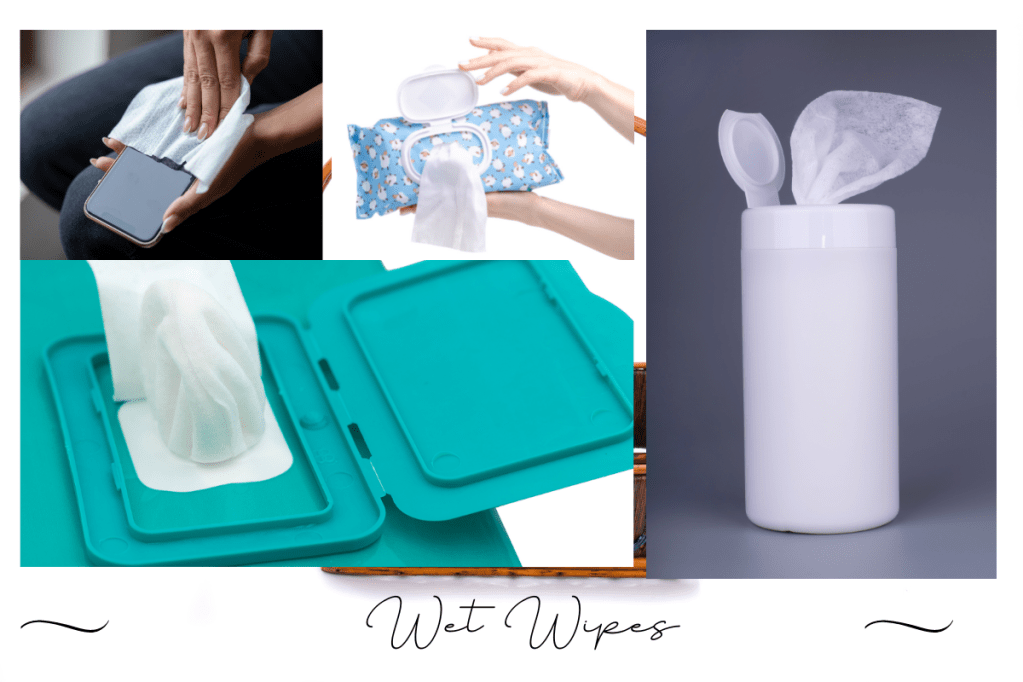
Wet wipes are a convenient and popular hygiene product that has become an essential part of our daily lives. They are commonly used for cleaning and disinfecting various surfaces, wiping off dirt and grime, and personal hygiene purposes. However, despite their convenience, wet wipes are causing significant harm to the environment, particularly in Singapore, where they are used extensively. In this article, we will explore the importance and impact of wet wipes on the environment in Singapore, the alternatives available, and the proper disposal methods.
The Usage of Wet Wipes in Singapore
Wet wipes are widely used in Singapore, with a significant portion of the population relying on them for cleaning and personal hygiene. From baby wipes to makeup remover wipes, wet wipes have become a ubiquitous product in homes, offices, and public spaces. According to a survey conducted by the National Environment Agency (NEA), wet wipes were one of the top five items found in the marine litter in Singapore. In 2018, an estimated 12,000 tons of wet wipes were disposed of in Singapore, highlighting the extensive usage of wet wipes in the country.
The Impact of Wet Wipes on the Environment
Wet wipes are a significant contributor to environmental pollution, particularly in Singapore, where they are often found in water bodies and coastal areas. Due to their small size and lightweight, they can easily escape from landfills and enter the waterways, where they can cause significant harm to marine life. Wet wipes are not biodegradable, meaning they cannot decompose naturally and can take hundreds of years to break down. They contain plastic fibers and other non-biodegradable materials that can release harmful chemicals and microplastics into the environment, posing a severe threat to aquatic life.
Wet wipes can also cause blockages and clogging in sewage systems, leading to significant problems in water treatment plants. In Singapore, wet wipes are one of the primary causes of sewer blockages, resulting in costly repairs and maintenance. Wet wipes also pose a risk to public health, as they can harbor harmful bacteria and viruses, making them potential carriers of diseases.
Alternatives to Wet Wipes in Singapore
Fortunately, there are several alternatives to wet wipes available in Singapore that can help reduce their impact on the environment. Some of these alternatives include:
- Microfiber cloths: Microfiber cloths are reusable, washable, and effective in cleaning surfaces. They are durable, absorbent, and can clean surfaces without the need for chemical cleaners.
- Cotton wipes: Cotton wipes are biodegradable and compostable, making them an eco-friendly alternative to wet wipes. They are soft, gentle, and can be used for a variety of purposes, from personal hygiene to cleaning surfaces.
- DIY wipes: One can easily make DIY wipes by using washcloths or old t-shirts and soaking them in a solution of water and vinegar or other natural cleaners.
- Bidets: Bidets are a popular alternative to wet wipes for personal hygiene. They are easy to use, hygienic, and can help reduce the use of toilet paper and wet wipes.
Proper Disposal of Wet Wipes
For those who still prefer to use wet wipes, it is essential to dispose of them properly. Wet wipes should not be flushed down the toilet, as they can cause significant problems in sewage systems. Instead, they should be disposed of in a bin and preferably in a separate bin designated for non-biodegradable waste. Proper disposal of wet wipes can help prevent them from entering the waterways and causing environmental pollution.
The Convenience of Wet Wipes
One of the reasons why wet wipes are so popular in Singapore is because of their convenience. Wet wipes are easy to use, portable, and can be used for a variety of purposes, from cleaning surfaces to personal hygiene. In a fast-paced city like Singapore, where people are always on the go, wet wipes provide a quick and efficient way to clean and refresh.
The Health Concerns Associated with Wet Wipes
While wet wipes are convenient, they also pose several health concerns. Wet wipes can harbor harmful bacteria and viruses, which can cause infections and illnesses. This is particularly concerning for baby wipes, which are commonly used for diaper changes and can expose infants to harmful bacteria. Additionally, some wet wipes contain harsh chemicals that can irritate the skin and cause allergic reactions.
The Regulations on Wet Wipes in Singapore
To address the environmental and health concerns associated with wet wipes, the Singapore government has implemented regulations on the production and sale of wet wipes. In 2019, the NEA announced that all wet wipes sold in Singapore must be labeled with a “Do Not Flush” symbol to discourage people from flushing them down the toilet. Additionally, wet wipe manufacturers are required to meet certain environmental and safety standards, such as using biodegradable materials and avoiding harmful chemicals.
The Campaigns to Reduce Wet Wipe Usage in Singapore
Several campaigns have been launched in Singapore to reduce the usage of wet wipes and promote eco-friendly alternatives. The “Zero Waste SG” campaign, for example, encourages individuals and businesses to adopt zero-waste practices and reduce their consumption of single-use items, including wet wipes. The campaign provides information and resources on eco-friendly alternatives to wet wipes, such as reusable cloth wipes and bidets.
The Importance of Consumer Education
While regulations and campaigns can help reduce the usage of wet wipes, consumer education is also essential in addressing the issue. Many people in Singapore may not be aware of the environmental and health impacts of wet wipes and may continue to use them out of habit or convenience. Providing information and resources on the proper disposal of wet wipes and the alternatives available can help raise awareness and encourage behavior change.
Wet Wipes and the Environment
The use of wet wipes has a significant impact on the environment, particularly on marine life. When wet wipes are flushed down the toilet, they can clog sewage systems and end up in the ocean. Once in the ocean, wet wipes can break down into microplastics, which can be ingested by marine animals and ultimately end up in the food chain. Additionally, the production of wet wipes contributes to deforestation and greenhouse gas emissions.
The Availability of Eco-Friendly Wet Wipes in Singapore
As environmental concerns continue to grow, there has been a rise in the availability of eco-friendly wet wipes in Singapore. These wipes are made from sustainable materials such as bamboo or cotton, and are free from harmful chemicals. Some brands also offer biodegradable and compostable wet wipes, which break down more quickly in the environment. While these eco-friendly options may be more expensive than traditional wet wipes, they offer a more sustainable choice for those who are concerned about the environment.
The Cultural Factors Influencing Wet Wipe Usage in Singapore
Wet wipes are a common item in many households in Singapore, and their usage can be influenced by cultural factors. For example, in many Asian cultures, cleanliness is highly valued, and wet wipes are often used as a quick and convenient way to freshen up. Additionally, in Singapore’s hot and humid climate, wet wipes can provide relief from sweat and help individuals feel more comfortable.
The Impact of COVID-19 on Wet Wipe Usage
The COVID-19 pandemic has led to an increase in the usage of wet wipes, as people seek to maintain hygiene and prevent the spread of the virus. While wet wipes can be effective in cleaning and disinfecting surfaces, it is important to note that they should be used in conjunction with proper hand hygiene and other safety measures. Additionally, the increased usage of wet wipes during the pandemic has further highlighted the need for eco-friendly and sustainable options.
The Future of Wet Wipes in Singapore
As awareness of the environmental and health impacts of wet wipes continues to grow, it is likely that there will be a shift towards more sustainable and eco-friendly options in Singapore. This may involve increased regulation on the production and sale of wet wipes, as well as more education and awareness campaigns to promote behavior change. Ultimately, the future of wet wipes in Singapore will depend on the actions of individuals, businesses, and the government to prioritize sustainability and protect the environment.
In conclusion, wet wipes are a convenient and popular product in Singapore, but they also pose significant environmental and health concerns. The disposal of wet wipes can cause harm to marine life and contribute to plastic pollution, while the chemicals in some wet wipes can cause skin irritation and other health problems.
To address these concerns, the Singapore government has implemented regulations on the production and sale of wet wipes, and campaigns have been launched to promote eco-friendly alternatives and proper disposal methods. However, consumer education is also crucial in addressing the issue, as many people in Singapore may not be aware of the environmental and health impacts of wet wipes.
While the COVID-19 pandemic has led to an increase in the usage of wet wipes, it has also highlighted the need for more sustainable and eco-friendly options. The availability of such options is growing, with eco-friendly wet wipes made from sustainable materials becoming more readily available.
Ultimately, the future of wet wipes in Singapore will depend on the actions of individuals, businesses, and the government to prioritize sustainability and protect the environment. By working together to reduce the usage of wet wipes, promote eco-friendly alternatives, and properly dispose of wet wipes, we can help ensure a healthier and more sustainable future for Singapore.

