
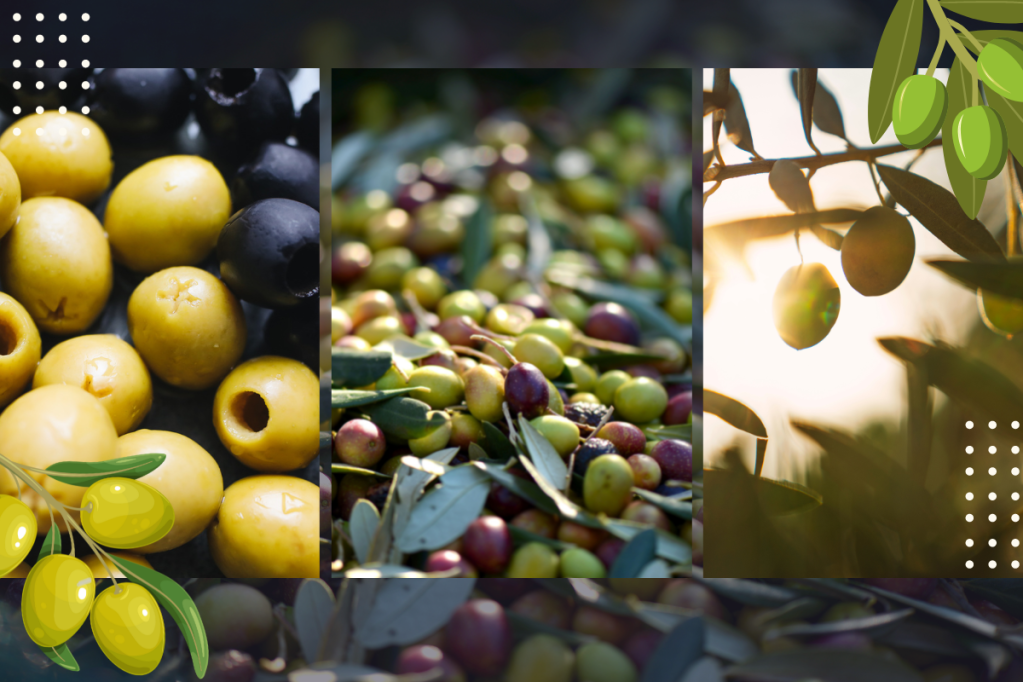
Olive sizes refer to the different sizes of olives that are commonly available in the market. Olives are a type of fruit that is harvested from olive trees and commonly used in various cuisines, especially in Mediterranean and Middle Eastern cuisine.
Olives come in various sizes, ranging from small to large. The size of olives can vary based on the type of olive tree, the region where it was grown, and the time of harvest. Generally, olives that are harvested early in the season tend to be smaller than those harvested later.
The most common sizes of olives are:
Small olives: Small olives are generally around 1/2 inch to 5/8 inch in diameter. They are commonly used in salads, pizzas, and as garnishes for cocktails.
Medium olives: Medium olives are around 5/8 inch to 7/8 inch in diameter. They are commonly used in pasta dishes, sauces, and as toppings for pizzas.
Large olives: Large olives are generally around 7/8 inch to 1 inch in diameter. They are commonly used as a snack, stuffed with various fillings, or as an ingredient in appetizers.
Jumbo olives: Jumbo olives are the largest olives available, with a diameter of around 1 1/8 inch or more. They are commonly used as a snack, stuffed with fillings, or as an ingredient in appetizers.
It’s worth noting that the size of olives can also vary depending on how they are prepared or packaged. For example, pitted olives may be slightly smaller in size than whole olives due to the removal of the pit.
In summary, olives come in various sizes ranging from small to jumbo, and the size can vary based on factors such as the type of olive tree, the region where it was grown, and the time of harvest. Knowing the different olive sizes can help you choose the right type of olive for your recipe or dish.
In addition to their size, olives can also differ in their color, texture, and flavor. The color of olives can range from green to black, with green olives being unripe and black olives being fully ripened. Some olives are also purple, brown, or reddish in color.
The texture of olives can range from soft and plump to firm and crunchy, depending on the variety and processing method. Some olives are cured in brine or salt to enhance their flavor and texture, while others are packed in oil or vinegar.
When it comes to flavor, olives can have a range of tastes from bitter to sweet, salty, and even slightly sour. The flavor of olives can be affected by factors such as their ripeness, processing method, and the type of tree they were harvested from.
In terms of nutritional value, olives are a good source of healthy fats, fiber, and antioxidants. They also contain vitamins and minerals such as vitamin E, iron, and calcium.
When selecting olives, it’s important to pay attention to their quality and freshness. Look for olives that are plump, firm, and free from blemishes or mold. It’s also a good idea to read the label and check for any added preservatives or artificial flavors.
In summary, olives come in a range of sizes, colors, textures, and flavors. They are a versatile ingredient in many cuisines and offer several health benefits. Choosing high-quality olives can help enhance the flavor and nutritional value of your dishes.
Olives can be used in various ways in cooking, depending on their size and flavor. Small olives are commonly used in salads, while medium and large olives are often used as toppings for pizzas and in pasta dishes. Jumbo olives are typically used as a snack or as an ingredient in appetizers, such as stuffed olives.
In addition to their culinary uses, olives have also been used for medicinal purposes for centuries. Olives and their oil have been known to have anti-inflammatory and antioxidant properties, which can help improve heart health, lower cholesterol levels, and reduce the risk of certain types of cancer.
When it comes to storing olives, it’s important to keep them in a cool, dry place away from direct sunlight. Once opened, olives should be stored in the refrigerator and consumed within a few weeks. It’s also important to check the label for any specific storage instructions or expiry dates.
In conclusion, olives are a versatile and nutritious ingredient that can be used in various ways in cooking. They come in different sizes, colors, textures, and flavors, and offer several health benefits. Proper storage and handling can help maintain their quality and freshness, ensuring a delicious and healthy addition to your meals.
In terms of culinary uses, olives are a popular ingredient in many Mediterranean and Middle Eastern dishes. They can be used in sauces, dips, and spreads, such as tapenade, hummus, and tzatziki. Olives can also be used as a flavorful addition to sandwiches, wraps, and charcuterie boards.
When it comes to cooking with olives, it’s important to consider their saltiness and flavor. Olives are naturally salty, so it’s important to taste the dish as you go and adjust the seasoning accordingly. It’s also a good idea to pair olives with other ingredients that complement their flavor, such as garlic, lemon, and herbs like oregano, thyme, and rosemary.
In addition to their culinary uses, olives have also been used in beauty and skincare products due to their moisturizing and antioxidant properties. Olive oil, in particular, is commonly used in skincare products such as moisturizers, cleansers, and face masks.
Overall, olives are a versatile and healthy ingredient that can be used in various ways in cooking and skincare. Whether you prefer small, medium, or large olives, there are many ways to incorporate them into your diet and daily routine. With their unique flavor and nutritional benefits, olives are a great addition to any meal or beauty regimen.
In terms of the global olive production, the largest producers of olives are Spain, Italy, and Greece. Other significant olive-producing countries include Turkey, Tunisia, and Morocco. Olives are typically grown in regions with a Mediterranean climate, characterized by hot, dry summers and mild winters.
The process of growing and harvesting olives can be labor-intensive and requires specialized knowledge and skills. Olives are typically harvested by hand, either by shaking the tree or by using a small rake to pull the fruit from the branches. The harvested olives are then sorted and processed according to their intended use.
Olives can be processed in a variety of ways, depending on the desired end product. Green olives are typically processed in brine or salt, while black olives are often packed in oil or vinegar. Olives can also be stuffed with a variety of fillings, such as cheese, garlic, or peppers, to create a flavorful snack or appetizer.
In terms of sustainability, the cultivation of olives can have both positive and negative impacts on the environment. On one hand, olives are a relatively low-impact crop that can be grown without the use of synthetic fertilizers or pesticides. They also require minimal irrigation, making them a good choice for regions with limited water resources.
However, the expansion of olive groves can also lead to deforestation and the destruction of natural habitats. The use of intensive farming practices can also lead to soil erosion and water pollution. It’s important for olive producers to implement sustainable practices that minimize their environmental impact while still producing high-quality olives.
In conclusion, olives are a significant crop in many parts of the world, and are used in various culinary and skincare products. Growing and processing olives can be a complex process that requires specialized knowledge and skills. With their unique flavor and nutritional benefits, olives are a valuable addition to many diets and lifestyles.
 Hey Singapore