
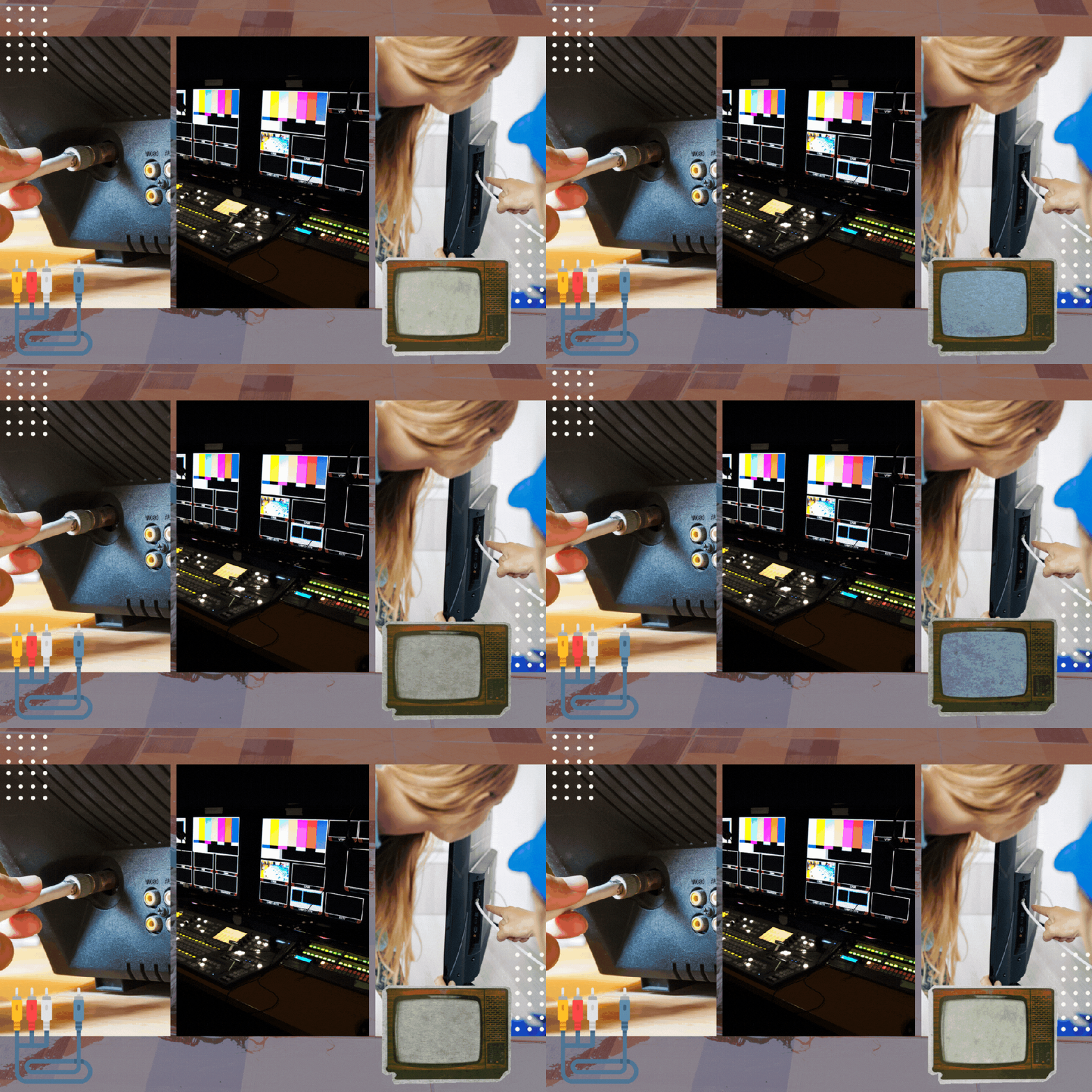
TV cable refers to the physical cable that delivers television signals from a broadcasting station to a television set. It is a type of coaxial cable that consists of a copper conductor, an insulating layer, a braided shielding layer, and an outer jacket.
The copper conductor carries the electrical signal that represents the TV program. The insulating layer prevents the signal from leaking out or interfering with other signals. The braided shielding layer protects the signal from external interference and prevents signal loss due to electromagnetic interference. Finally, the outer jacket provides additional protection to the cable and makes it more durable.
TV cable is commonly used by cable television providers to transmit a wide range of television channels to subscribers. In addition, TV cable can also be used to connect other devices such as cable modems, video game consoles, and digital video recorders to a television set.
It is important to note that TV cable technology is constantly evolving, with newer versions offering higher bandwidth and better signal quality. As such, it is important for cable TV providers and users to keep up with the latest advancements to ensure that they are getting the best possible viewing experience.
One of the key advantages of TV cable is its ability to deliver high-quality audio and video signals. This is because cable TV providers can use the coaxial cable to transmit a large amount of data, allowing for higher resolution and more detailed images and sound. In addition, TV cable can also support interactive features such as video on demand, pay-per-view, and online gaming.
Another advantage of TV cable is its reliability. Unlike satellite TV, which can be affected by weather conditions such as heavy rain or snow, TV cable is not affected by such conditions. This means that users can enjoy uninterrupted viewing even in adverse weather conditions.
Furthermore, TV cable is easy to install and can be used by anyone with a TV set and a cable box. Cable TV providers offer a variety of packages that cater to different viewing preferences and budgets, making it easy for users to choose a plan that suits their needs.
However, one potential disadvantage of TV cable is that it may not be available in all areas. In some rural areas, for example, cable TV infrastructure may not be in place, making it difficult for residents to access cable TV services. Additionally, some users may find cable TV plans to be more expensive than other options such as streaming services.
In summary, TV cable is a reliable and high-quality way to receive television programming. With its ability to support interactive features and high-resolution images and sound, it remains a popular choice for many users. However, users should be aware of its potential limitations and consider alternative options if TV cable is not available or affordable in their area.
In recent years, TV cable has faced increasing competition from other forms of media distribution such as streaming services. Services like Netflix, Hulu, and Amazon Prime offer users a wide range of programming options at a lower cost than many cable TV plans. As a result, some users have opted to cut the cord and rely solely on streaming services for their entertainment needs.
To address this challenge, many cable TV providers have begun offering their own streaming services in addition to their traditional cable TV plans. This allows users to access cable TV programming on their mobile devices or smart TVs, giving them greater flexibility in how and where they watch TV.
Moreover, some cable TV providers have begun to offer bundled packages that include internet and phone services as well. This allows users to save money by subscribing to multiple services through a single provider.
In conclusion, while TV cable faces increasing competition from streaming services, it remains a popular and reliable option for many users. With its ability to provide high-quality audio and video signals, interactive features, and bundled service options, TV cable continues to be a viable choice for those seeking a diverse range of television programming.
Another factor that has impacted the TV cable industry is the rise of over-the-top (OTT) content providers. These are services that provide video content over the internet, bypassing traditional cable TV providers. Examples of OTT providers include YouTube, Vimeo, and Twitch.
OTT providers have disrupted the traditional TV cable model by offering users more control over what they watch and when they watch it. Users can access a vast library of content, including original programming, and can often do so for free or at a lower cost than cable TV plans.
In response, some cable TV providers have begun to offer their own OTT services, such as Comcast’s Peacock and AT&T’s HBO Max. This allows cable TV providers to stay competitive in the evolving media landscape and offer users a wider range of options for accessing TV programming.
Overall, TV cable remains a key player in the media industry, despite the challenges it faces from streaming services and OTT providers. As technology continues to evolve, cable TV providers will need to continue to adapt and innovate to remain relevant and meet the changing needs of their customers.
One area where TV cable providers are investing in innovation is in the development of new technologies that can deliver even higher quality audio and video signals. One such technology is called DOCSIS (Data Over Cable Service Interface Specification), which allows for faster download and upload speeds over TV cable networks.
With DOCSIS 3.1, cable TV providers can deliver download speeds of up to 10 Gbps and upload speeds of up to 1 Gbps, making it possible to stream 4K and even 8K video content. This technology also supports advanced features such as low latency and network virtualization, which can improve the user experience and increase network efficiency.
Another area of innovation for TV cable providers is in the development of personalized content recommendations and search capabilities. By using machine learning and artificial intelligence, cable TV providers can analyze user viewing habits and preferences to offer personalized recommendations for new content to watch. This can help users discover new shows and movies that they may not have found on their own.
Additionally, some cable TV providers are investing in new interfaces and remote control technologies that make it easier for users to navigate and access TV programming. For example, some providers offer voice-activated remotes that allow users to search for content and control their TV using voice commands.
In conclusion, while TV cable providers face competition from streaming services and OTT providers, they are investing in new technologies and innovations to stay competitive and meet the changing needs of their customers. With faster download and upload speeds, personalized content recommendations, and advanced remote control technologies, TV cable providers are positioning themselves to remain a relevant and valuable option for accessing television programming.
Another area where TV cable providers are focusing on innovation is in the development of advanced DVR (Digital Video Recorder) capabilities. DVR technology allows users to record and store TV programming, making it possible to watch shows and movies at a later time.
Some cable TV providers are now offering cloud-based DVR services, which allow users to access their recordings from anywhere and on any device. This means that users can watch their favorite shows and movies on the go, without needing to be at home in front of their TV.
In addition, some cable TV providers are developing advanced ad-skipping capabilities that allow users to skip through commercials when watching recorded content. This feature not only improves the user experience but also helps to reduce the amount of time spent watching advertisements.
Furthermore, some cable TV providers are exploring the use of virtual and augmented reality technologies to enhance the user experience. By using VR and AR, cable TV providers can create immersive viewing experiences that transport users into virtual environments and allow them to interact with the content in new and exciting ways.
In conclusion, TV cable providers are investing in new and innovative technologies to improve the user experience and stay competitive in the evolving media landscape. From cloud-based DVR services to ad-skipping capabilities and virtual reality, cable TV providers are exploring new ways to engage users and deliver high-quality television programming. As technology continues to evolve, it will be exciting to see what new innovations cable TV providers will bring to the table.

