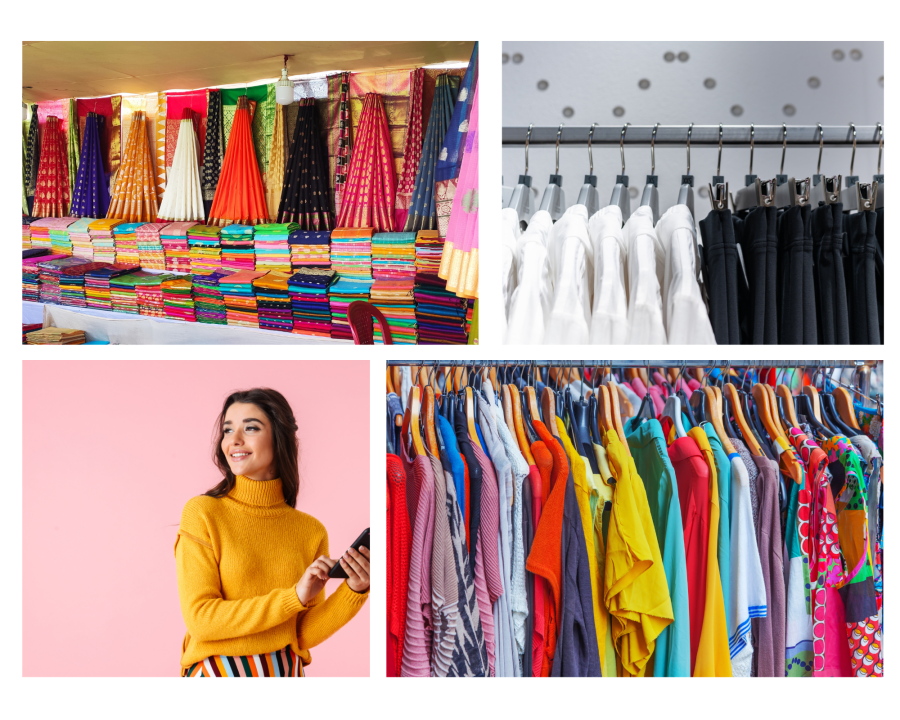
Clothes are not just garments to protect us from the elements or cover our bodies. They are also a way to express ourselves, our culture, our social status, and our personal taste. Clothes can speak volumes about a person without them uttering a single word. From the simple cotton shirt to the elaborate wedding gown, there are various types of clothes that serve different purposes and have their unique characteristics. In this article, we will delve into the vast and diverse world of garments and explore the different types of clothes that exist.
Tops
Tops are garments that cover the upper body and come in various styles and designs. The most common types of tops are T-shirts, blouses, shirts, and tank tops. T-shirts are made of cotton or a blend of fabrics and are the most versatile tops that can be worn casually or dressed up. Blouses and shirts are usually made of silk, cotton, or chiffon and are more formal than T-shirts. Tank tops are sleeveless and perfect for warm weather.
Bottoms
Bottoms are garments that cover the lower part of the body and include pants, shorts, skirts, and dresses. Pants come in different styles such as jeans, leggings, and trousers, and can be paired with any top. Shorts are perfect for warm weather and come in various lengths and designs. Skirts and dresses are versatile and can be dressed up or down depending on the occasion.
Outerwear
Outerwear is designed to protect the body from the elements and can be worn over other clothes. The most common types of outerwear are jackets, coats, and sweaters. Jackets come in different styles such as denim, leather, and bomber jackets and can be worn casually or dressed up. Coats are usually thicker and more formal than jackets and are perfect for cold weather. Sweaters are made of wool or other fabrics and can be worn as a top layer or under a coat or jacket.
Undergarments
Undergarments are worn under other clothes to provide support and coverage. The most common types of undergarments are bras, panties, and undershirts. Bras come in different styles such as push-up, sports, and strapless and are designed to provide support and shape to the breasts. Panties come in different styles such as thongs, bikinis, and briefs, and are designed to provide coverage and comfort. Undershirts are usually made of cotton or other breathable fabrics and are designed to absorb sweat.
Accessories
Accessories are items that are worn with clothes to enhance their appearance and include jewelry, hats, scarves, and bags. Jewelry includes necklaces, bracelets, earrings, and rings, and can be made of various materials such as gold, silver, and diamonds. Hats come in different styles such as fedoras, beanies, and baseball caps, and can be worn to protect the head from the sun or cold weather. Scarves are perfect for keeping the neck warm and come in various designs and materials. Bags come in different styles such as totes, clutches, and backpacks and can be used to carry essentials.
Activewear
Activewear is designed for sports and physical activity and includes clothing such as athletic leggings, sports bras, and shorts. These garments are usually made of breathable, moisture-wicking fabrics to keep the body cool and dry during exercise. Activewear can also be worn for casual activities such as running errands or lounging at home.
Formalwear
Formalwear is designed for special occasions such as weddings, proms, and galas. These garments are usually more elaborate and luxurious than everyday clothes and include dresses, tuxedos, and suits. Formalwear often requires accessories such as ties, bow ties, and cummerbunds.
Sleepwear
Sleepwear is designed for sleeping and lounging and includes items such as pajamas, nightgowns, and robes. These garments are usually made of soft, comfortable materials such as cotton, silk, or satin. Sleepwear can also be worn as loungewear for relaxing at home.
Swimwear
Swimwear is designed for swimming and other water activities and includes items such as swimsuits, bikinis, and board shorts. These garments are usually made of quick-drying, stretchy fabrics that can withstand exposure to water and sun. Swimwear comes in various styles and designs to suit different body types and preferences.
Maternity Wear
Maternity wear is designed for pregnant women and includes items such as maternity tops, dresses, pants, and underwear. These garments are designed to provide comfort and support for the changing body during pregnancy. Maternity wear also includes nursing clothes that are designed for breastfeeding and provide easy access to the breasts.
Workwear
Workwear is designed for the workplace and includes items such as suits, blouses, skirts, and dress pants. These garments are usually more formal than everyday wear and are designed to create a professional look. Workwear can also include items such as uniforms and safety gear for specific industries such as healthcare and construction.
Cultural and Traditional Wear
Cultural and traditional wear are garments that are specific to a particular culture or tradition. These garments often have symbolic meaning and are worn for religious or cultural ceremonies and events. Examples of cultural and traditional wear include the Japanese kimono, Indian saree, and Scottish kilt.
Gender-Neutral Clothing
Gender-neutral clothing is designed to be worn by individuals of any gender and includes items such as unisex t-shirts, gender-neutral jeans, and gender-neutral accessories. Gender-neutral clothing challenges traditional gender norms and promotes inclusivity and diversity.
Vintage and Retro Clothing
Vintage and retro clothing refers to garments that are from a previous era or designed to evoke the style of a previous era. These garments can be sourced from thrift stores, vintage shops, or online retailers. Vintage and retro clothing often includes unique designs, patterns, and fabrics that are no longer commonly used in modern clothing.
Sustainable and Ethical Clothing
Sustainable and ethical clothing refers to garments that are produced using environmentally friendly and socially responsible practices. These garments are made from sustainable materials such as organic cotton, recycled polyester, and hemp. The production of sustainable and ethical clothing also involves fair labor practices, such as providing workers with fair wages and safe working conditions.
High Fashion Clothing
High fashion clothing refers to garments that are designed by high-end fashion designers and are often showcased on runways during fashion week. These garments often feature unique and avant-garde designs and are made using luxurious materials such as silk, leather, and fur. High fashion clothing is often associated with luxury and exclusivity.
Performance Clothing
Performance clothing is designed for athletes and active individuals who require garments that provide enhanced performance, comfort, and durability. These garments often feature moisture-wicking technology, ventilation, and stretchy fabrics that allow for a full range of motion. Performance clothing includes items such as running shorts, compression leggings, and sports bras.
Streetwear
Streetwear refers to a style of clothing that originated in urban culture and is characterized by its casual, comfortable, and often oversized garments. Streetwear often includes items such as hoodies, baggy pants, and graphic tees. Streetwear is associated with youth culture and often incorporates elements of hip-hop, skateboarding, and graffiti art.
Formal Casual Wear
Formal casual wear is a combination of formal and casual garments and is designed for semi-formal events such as weddings or business casual settings. Formal casual wear includes items such as dress shirts, blazers, and chinos. These garments are designed to create a sophisticated and polished look while maintaining comfort and ease of movement.
Adaptive Clothing
Adaptive clothing is designed for individuals with disabilities and includes items such as easy-to-open fasteners, adjustable straps, and wheelchair-friendly designs. These garments are designed to provide comfort, functionality, and independence to individuals with limited mobility or dexterity. Adaptive clothing can include items such as adaptive pants, shirts, and jackets.
Costume Clothing
Costume clothing refers to garments that are worn for theatrical or entertainment purposes. These garments often include elaborate designs and are meant to represent a specific character or theme. Costume clothing can include items such as medieval costumes, superhero costumes, and historical clothing.
Uniforms
Uniforms are garments that are worn to represent a specific organization or profession. These garments often feature specific colors, logos, and designs that represent the organization or profession. Uniforms can include items such as military uniforms, police uniforms, and airline uniforms.
Compression Clothing
Compression clothing is designed to apply pressure to specific parts of the body to enhance performance, reduce muscle fatigue, and improve blood circulation. These garments often feature compression technology that helps improve oxygen delivery to the muscles and removes waste products. Compression clothing includes items such as compression tights, shorts, and socks.
Leisure Wear
Leisure wear is designed for relaxation and comfort and includes items such as loungewear, pajamas, and athleisure wear. These garments are usually made of soft, breathable materials such as cotton or fleece and are designed to provide maximum comfort and ease of movement.
Conclusion:
Clothes play an essential role in our lives, serving various purposes and expressing different styles and cultures. From costume clothing to uniforms, compression clothing to leisure wear, the choices are endless. Understanding the different types of clothes and how to wear them can help us create our unique style and feel confident and comfortable in our skin. Clothes are not just garments, but they are also a means of self-expression, a way to connect with our culture, and a symbol of our values and beliefs. Whatever type of clothing we choose to wear, it is essential to remember that clothes can be a powerful tool for self-expression and communication.

