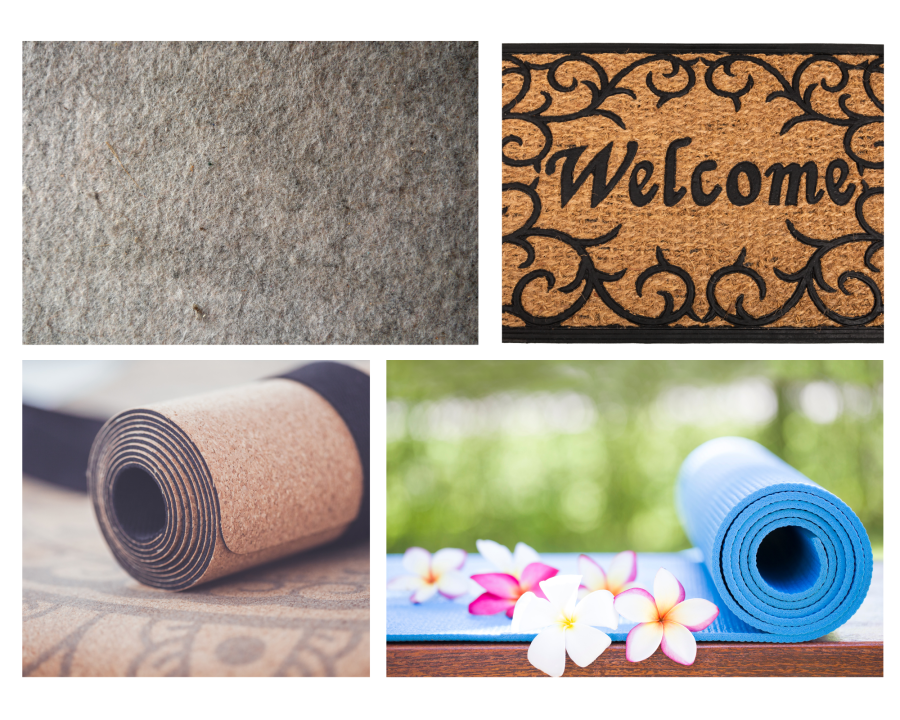
As we go about our daily lives, it’s easy to overlook the things that make our lives comfortable and convenient. The mats, for instance, are often taken for granted, yet they are the unsung heroes of comfort. These versatile pieces of material have been around for centuries, and they continue to play an essential role in our lives today.
From the woven mats of ancient civilizations to the modern-day doormats, mats have come a long way in terms of design, functionality, and material. They have evolved to serve different purposes, from keeping our floors clean to providing a soft surface to walk or stand on. However, what makes mats unique is the language used to describe them.
In this article, we will explore the world of mats and delve into the intricate vocabulary used to describe them. We will take a closer look at their history, purpose, and various types, and use a range of unorthodox and sophisticated words to express their beauty and versatility.
Matting Through History:
The history of mats can be traced back to ancient civilizations, where they were primarily used for practical purposes. Woven mats made of grass or reeds were used for flooring and seating, providing a soft surface to sit or sleep on. The ancient Egyptians, for instance, used mats made of papyrus, while the Greeks used woven rush mats for seating and sleeping.
As time went on, mats continued to serve practical purposes, but their designs and materials evolved. In the Middle Ages, mats made of rushes were used as insulation for walls and floors. Later, coir mats made from the fibers of coconut husks became popular, especially in tropical regions.
In the modern era, mats have become more specialized, with different types serving different purposes. Doormats are used to keep floors clean, yoga mats provide a non-slip surface for exercise, and anti-fatigue mats provide a soft surface for standing for extended periods. The range of materials used to make mats has also expanded, with rubber, foam, and synthetic materials joining the traditional natural fibers.
Types of Mats:
One of the things that make mats unique is the language used to describe them. The vocabulary used to describe mats is as varied as the mats themselves, with a range of words that express their texture, design, and functionality. Let’s take a closer look at some of the different types of mats and the words used to describe them.
Doormats:
Doormats are perhaps the most ubiquitous type of mat, found outside almost every door. They are designed to keep floors clean by trapping dirt and moisture before it enters a building. Doormats come in different shapes, sizes, and materials, from traditional coir mats to rubber-backed mats.
The texture of a doormat is a critical factor in its effectiveness. The coir mats, for instance, have a rough texture that effectively traps dirt and debris. Rubber-backed mats, on the other hand, have a smooth texture that makes them easy to clean and maintain.
Yoga Mats:
Yoga mats are another type of mat that has gained popularity in recent years. They provide a non-slip surface for yoga practitioners to perform their poses, providing stability and comfort. Yoga mats come in different materials, including rubber, foam, and PVC, each with its unique texture and grip.
The texture of a yoga mat is essential in providing grip and stability. Rubber mats, for instance, have a natural grip that increases with moisture, making them ideal for hot yoga. Foam mats, on the other hand, provide a soft surface for beginners or those with sensitive joints.
Anti-Fatigue Mats:
Anti-fatigue mats are designed to provide a soft surface for standing for extended periods. They are commonly used in workplaces such as factories, kitchens, and retail spaces, where employees are required to stand for long periods. These mats are made of materials that absorb shock and provide cushioning, reducing fatigue and discomfort.
The texture of an anti-fatigue mat is critical in providing cushioning and support. Mats made of foam or rubber have a soft texture that provides cushioning, while those made of vinyl or PVC have a firmer texture that offers more support. The shape and size of anti-fatigue mats also vary, from rectangular mats for individual workstations to long runner mats for entire work areas.
Prayer Mats:
Prayer mats are used by Muslims during their daily prayers. They provide a clean and comfortable surface for prayer, and their design often includes a compass or marking to indicate the direction of Mecca, the holiest city in Islam.
The texture of a prayer mat is usually soft and plush, providing comfort and cushioning for the knees and feet during prayer. The materials used to make prayer mats vary, from natural fibers such as wool and silk to synthetic materials such as polyester and nylon.
Bath Mats:
Bath mats are designed to absorb moisture and provide a non-slip surface in the bathroom. They are typically made of materials that are quick-drying and absorbent, such as cotton or microfiber. Bath mats come in a range of designs and sizes, from small mats for the sink area to large mats that cover the entire bathroom floor.
The texture of a bath mat is essential in providing a non-slip surface. Mats with a rubber or silicone backing provide the most grip, while those made of microfiber have a plush texture that absorbs moisture and provides comfort.
Mats and Cultural Significance:
Mats are not just practical items; they also have cultural significance in many parts of the world. In some cultures, mats are used as symbols of hospitality and respect. For instance, in many Middle Eastern cultures, guests are welcomed with a small mat placed at the entrance of the home. Similarly, in Japan, the tatami mat is a symbol of tradition and is used in traditional Japanese homes as a flooring material.
In other cultures, mats are used for religious or spiritual purposes. In Hinduism, mats are used during prayer and meditation, while in Buddhism, mats are used in temples and meditation centers as a place to sit and meditate.
Mats as Artistic Creations:
Mats are not just practical and cultural items; they are also artistic creations. In some cultures, mats are woven or embroidered with intricate designs, creating beautiful and functional works of art.
For instance, in West Africa, the Kente cloth is a type of mat that is handwoven with colorful patterns and designs. In India, the durry mat is woven with geometric patterns and bright colors, while the Persian rug is intricately designed with floral patterns and vibrant colors.
Mats as Sustainable Options:
Mats are not only versatile and beautiful; they are also sustainable options for home and workplace. Mats made from natural fibers such as coir, jute, or sisal are biodegradable and eco-friendly, making them an excellent choice for environmentally conscious individuals.
Additionally, mats made from recycled materials such as rubber or plastic bottles are also sustainable options, reducing waste and minimizing environmental impact.
Mats and Health Benefits:
Apart from providing comfort and convenience, mats also offer several health benefits. For instance, anti-fatigue mats are designed to reduce discomfort and fatigue associated with standing for long periods. They help to reduce the pressure on the feet, legs, and lower back, improving posture and reducing the risk of musculoskeletal disorders.
Similarly, yoga mats provide a non-slip surface for exercise, reducing the risk of slips, trips, and falls. They also provide cushioning for joints and muscles, reducing the risk of injury during exercise.
Bath mats also offer health benefits by providing a non-slip surface in the bathroom, reducing the risk of falls and injuries, especially for older adults or those with mobility issues.
The materials used to make mats can also have health benefits. For instance, mats made from natural fibers such as wool or cotton are hypoallergenic and can help to reduce allergies and respiratory problems. Mats made from bamboo or other natural materials are also antimicrobial and can help to reduce the growth of bacteria and other microorganisms.
Mats and Interior Design:
Mats are not just functional items; they can also add to the aesthetic appeal of a room. Mats can be used to complement or contrast with the color and design of the walls, floors, or furniture, creating a cohesive and harmonious interior design.
For instance, a brightly colored mat can add a pop of color to a neutral room, while a patterned mat can add visual interest and texture. Mats can also be used to create a focal point or define a space, such as a yoga mat placed in a corner or a rug placed under a coffee table.
Conclusion:
In conclusion, mats are versatile and essential items that offer a range of benefits, from providing comfort and convenience to promoting health and wellness. The language used to describe mats reflects their beauty, functionality, and cultural significance, and their evolution over time is a testament to their enduring importance in our daily lives.
Whether we use mats for practical, cultural, or artistic purposes, we can appreciate their beauty and versatility, and the role they play in making our lives comfortable, convenient, and sustainable.

