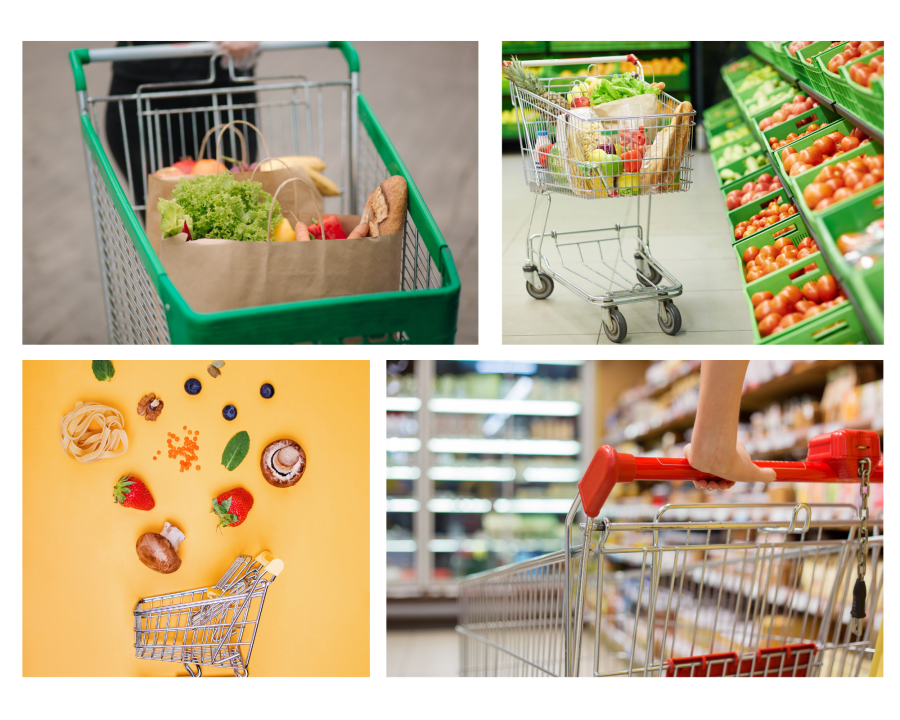
Grocery shopping is an everyday chore that we all have to endure. Whether it is to buy our weekly essentials or to prepare for a special event, it is a necessary part of our routine. The process of going through aisles of products, deciding on what to buy, and carrying them around the store can be exhausting. However, with the invention of the grocery trolley, shopping has become an effortless experience. It has revolutionized the way we shop and made the process more manageable and convenient.
The grocery trolley, also known as a shopping cart or buggy, is a common sight in grocery stores and supermarkets worldwide. Its simple design and practicality have made it a popular choice for shoppers of all ages. From its humble beginnings in the early 1930s, the grocery trolley has undergone numerous modifications to meet the evolving needs of shoppers. In this article, we will delve into the history and evolution of the grocery trolley and explore its essential features that make it the perfect shopping companion.
Evolution of the Grocery Trolley:
The grocery trolley has come a long way since its inception in the early 1930s. Its first design was a simple folding basket that could be carried around by shoppers. However, it was not until 1937 that the first shopping cart with wheels was introduced by the Piggly Wiggly supermarket chain in Oklahoma. The idea was to create a trolley that could be pushed around the store, eliminating the need for shoppers to carry their purchases.
Over the years, the grocery trolley has undergone numerous modifications, with several features added to enhance its functionality. The most significant development was the addition of a child seat in the 1950s, allowing parents to shop with their young children. Later on, a second basket was added to the trolley, providing more space for groceries. In the 1970s, the use of plastic replaced the traditional wire mesh as the primary material for grocery trolleys. This made them lighter, more durable, and easier to clean.
In the 1990s, electronic shopping carts were introduced in some stores. These trolleys had built-in computers that displayed product information, promotions, and even recipes. They also had scanners that could read barcodes and keep track of the items in the cart. However, the high cost of these trolleys made them impractical for widespread use.
Features of the Perfect Grocery Trolley:
The perfect grocery trolley should be functional, durable, and comfortable to use. It should also be easy to maneuver, even when fully loaded. Below are some of the essential features that make a grocery trolley perfect:
- Size and Capacity: The ideal grocery trolley should be large enough to carry all your purchases comfortably. It should have a capacity of at least 100 liters and be able to hold up to 50 kg of weight. This will reduce the number of trips you have to make to the store, making your shopping experience more efficient.
- Durability: A good grocery trolley should be made of sturdy materials that can withstand frequent use. The frame should be made of steel or aluminum, while the basket should be made of a durable plastic material that can withstand wear and tear.
- Maneuverability: The perfect grocery trolley should be easy to maneuver, even when fully loaded. It should have four sturdy wheels that can rotate 360 degrees, allowing you to navigate through tight spaces easily. The handle should also be comfortable to hold and adjustable to your height.
- Convenience Features: A good grocery trolley should have additional features that make shopping more convenient. This includes a child seat, a second basket, a cup holder Other convenience features that make a grocery trolley perfect include a built-in umbrella holder, a foldable design for easy storage, and a locking mechanism to prevent theft.
- Safety: The perfect grocery trolley should be safe to use. It should have a stable base to prevent tipping, and the wheels should have brakes to prevent it from rolling away when parked. The child seat should also have a safety harness to keep your child secure.
- Eco-Friendly: The perfect grocery trolley should be eco-friendly. It should be made of materials that can be easily recycled, and its design should be optimized for easy disassembly. This will reduce waste and minimize the impact on the environment.
The Benefits of Using a Grocery Trolley:
Using a grocery trolley offers numerous benefits, including:
- Convenience: A grocery trolley makes shopping easier by providing a place to store all your purchases while you navigate the store. You no longer have to carry heavy bags or baskets, reducing the strain on your arms and back.
- Time-Saving: A grocery trolley allows you to carry more items at once, reducing the number of trips you have to make to the store. This saves time and energy and makes your shopping experience more efficient.
- Cost-Effective: Using a grocery trolley can save you money in the long run. Instead of purchasing single-use plastic bags or paper bags, you can use your trolley to carry your groceries. This reduces waste and minimizes the impact on the environment.
- Versatility: A grocery trolley can be used for more than just grocery shopping. You can use it to carry bulky items such as laundry, gardening tools, or even as a makeshift stroller for your pet.
- Independence: A grocery trolley allows people with mobility issues to shop independently. It provides a stable platform to hold onto and reduces the risk of falling while carrying heavy bags.
The Future of Grocery Trolleys:
The grocery trolley has come a long way since its inception, and its future looks bright. Advancements in technology are being incorporated into grocery trolleys, making them smarter and more efficient. Here are some potential innovations that we may see in the future of grocery trolleys:
- Self-Driving Trolleys: Self-driving technology is being developed for grocery trolleys, allowing them to navigate the store autonomously. This will reduce the need for shoppers to push the trolley, freeing up their hands and making the shopping experience more efficient.
- Interactive Displays: Interactive displays may be incorporated into grocery trolleys, allowing shoppers to browse products and access promotions without having to search for them. This will make the shopping experience more convenient and personalized.
- Smart Sensors: Smart sensors may be added to grocery trolleys to monitor the items inside and provide suggestions for complementary products. This will make it easier for shoppers to find what they need and discover new products.
- Eco-Friendly Materials: As the world becomes more conscious of the impact of waste on the environment, grocery trolleys may be made of eco-friendly materials such as bamboo or recycled plastic. This will reduce the carbon footprint of grocery shopping and minimize waste.
The Impact of Grocery Trolleys on Retail Stores:
Grocery trolleys have had a significant impact on retail stores, both positively and negatively. Here are some of the ways that grocery trolleys have affected retail stores:
- Increased Sales: Grocery trolleys have been shown to increase sales in retail stores. This is because shoppers can carry more items, leading to larger purchases. Additionally, the convenience of using a trolley may encourage shoppers to stay longer in the store, leading to more impulse buys.
- Improved Shopping Experience: Grocery trolleys have improved the shopping experience for customers. They provide a convenient way to carry purchases, reducing the strain on shoppers’ arms and making the shopping experience more comfortable.
- Increased Foot Traffic: Retail stores that offer grocery trolleys may attract more foot traffic. This is because shoppers prefer stores that provide a convenient shopping experience, and the availability of trolleys may be a deciding factor in where they choose to shop.
- Theft: One of the negative impacts of grocery trolleys is that they can be used for theft. Shoppers may use trolleys to conceal items they have not paid for, making it difficult for store staff to monitor and prevent theft.
- Maintenance: Retail stores that offer grocery trolleys must also maintain them. This includes regular cleaning and repairs, which can be costly and time-consuming.
The Cultural Significance of Grocery Trolleys:
Grocery trolleys have also had a cultural impact, becoming a recognizable symbol of the shopping experience. Here are some of the ways that grocery trolleys have become culturally significant:
- Pop Culture: Grocery trolleys have been featured in numerous movies and TV shows, becoming a recognizable symbol of the shopping experience. From scenes of characters pushing trolleys through stores to humorous skits featuring runaway trolleys, the image of a grocery trolley has become ingrained in pop culture.
- Fashion: The shape and design of grocery trolleys have also influenced fashion trends. Trolleys have inspired handbags, backpacks, and even clothing designs. This is a testament to the cultural significance of grocery trolleys and their impact on everyday life.
- Social Significance: Grocery trolleys have also become a social symbol, representing independence, self-sufficiency, and convenience. Shoppers who use trolleys may feel a sense of empowerment, as they are able to carry their purchases with ease and without relying on others.
- Multicultural Symbol: Grocery trolleys have become a multicultural symbol, representing the diverse backgrounds of shoppers worldwide. They are used by people of all ages, genders, and races, making them a unifying symbol of the shopping experience.
Conclusion:
Grocery trolleys have become culturally significant, representing the shopping experience in popular culture, fashion, and social significance. They are a symbol of convenience, self-sufficiency, and diversity, used by people of all ages, genders, and races. The cultural impact of grocery trolleys is a testament to their importance in everyday life and their continued relevance in the future.
 Hey Singapore