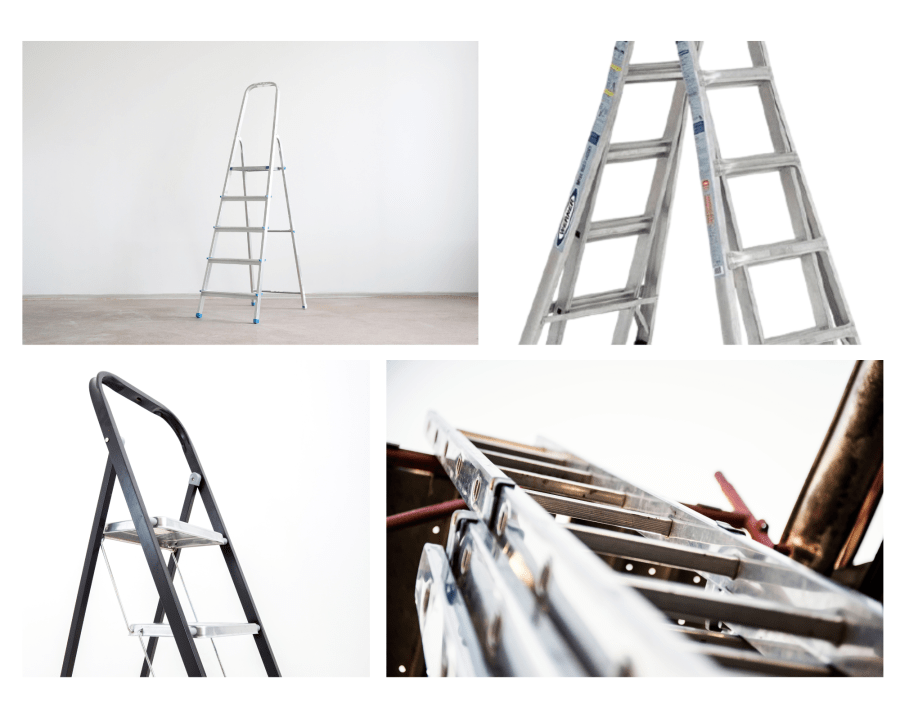
In today’s world, where the vertical space of homes and workplaces is ever-shrinking, a foldable ladder has become a necessity rather than a luxury. This unique piece of equipment, which seamlessly transforms from a small package to a towering structure, has become a staple in the toolkit of every homeowner, DIY enthusiast, and professional alike.
But what makes the foldable ladder so special? How does it work? And what are the different types available in the market? In this article, we shall delve into the intricate details of the foldable ladder, its history, construction, and usage, and provide a comprehensive guide to help you choose the perfect ladder for your needs.
The History of Foldable Ladders:
The origins of the foldable ladder can be traced back to ancient Egypt, where workers used crude ladders made of reeds and ropes to access the rooftops of temples and pyramids. Over time, ladders evolved into more sophisticated designs, with the first folding ladder believed to have been invented in the 18th century by John H. Balsley of Connecticut, USA.
However, it was not until the 20th century that foldable ladders became widely popular, thanks to advancements in manufacturing techniques and the growing demand for space-saving solutions. Today, foldable ladders are an essential tool in every industry, from construction and maintenance to firefighting and rescue operations.
The Anatomy of a Foldable Ladder:
A foldable ladder is composed of several parts, each with a specific function. These include:
- Rails: The two long, parallel sections that provide support and stability to the ladder.
- Rungs: The horizontal steps that connect the two rails and provide a foothold for the user.
- Hinges: The joints that allow the ladder to fold and unfold.
- Locks: The mechanisms that secure the ladder in place when extended.
- Feet: The base of the ladder that provides stability and prevents slippage.
Types of Foldable Ladders:
There are several types of foldable ladders available in the market, each designed for a specific purpose. Some of the most common types include:
- Extension Ladders: These ladders consist of two or more sections that can be extended to reach different heights. They are ideal for tasks such as painting, cleaning gutters, or accessing high shelves.
- Step Ladders: These ladders have a fixed height and are self-supporting, meaning they do not need to be leaned against a wall or surface. They are perfect for tasks such as changing light bulbs, hanging curtains, or accessing low ceilings.
- Telescoping Ladders: These ladders can be extended to various heights and have a compact design, making them easy to store and transport. They are suitable for tasks such as roof access, attic access, or outdoor maintenance.
- Multi-Position Ladders: These ladders can be configured into several different positions, such as an A-frame, extension, or staircase, making them versatile and adaptable to different tasks.
Usage and Safety Precautions:
While foldable ladders are incredibly useful, they can also be dangerous if not used properly. Here are some safety precautions to keep in mind when using a foldable ladder:
- Always read and follow the manufacturer’s instructions carefully before using the ladder.
- Make sure the ladder is on a stable, level surface and cannot tip over.
- Do not exceed the weight limit specified by the manufacturer.
- Always face the ladder when climbing up or down and use both hands to hold onto the rungs.
- Do not use the ladder in adverse weather conditions, such as high winds or Avoid leaning the ladder against unstable or slippery surfaces.
- Do not use the ladder near power lines or other electrical hazards.
- Inspect the ladder for any damage or wear and tear before use, and do not use if it is damaged.
- When using an extension ladder, make sure it is extended at least three feet above the surface it is resting on.
- Never stand on the top three rungs of the ladder, as they are not designed to support your weight.
In addition to these safety precautions, it is essential to use common sense and good judgment when using a foldable ladder. If you feel uneasy or unsure about a task, do not attempt it, and seek the help of a professional instead.
Benefits of Foldable Ladders:
The foldable ladder is a highly beneficial tool that offers several advantages over traditional ladders. Some of the benefits of foldable ladders include:
- Space-saving: Foldable ladders take up minimal space, making them easy to store in small homes or apartments.
- Portable: Foldable ladders are lightweight and compact, making them easy to transport from one location to another.
- Versatile: With different types of foldable ladders available in the market, users can choose the one that best suits their needs.
- Durable: Foldable ladders are made of high-quality materials and are designed to withstand heavy use.
- Safe: Foldable ladders are designed with safety features such as locks, hinges, and non-slip feet, making them a safer option than traditional ladders.
Choosing the Right Foldable Ladder:
When choosing a foldable ladder, it is essential to consider several factors, such as the intended use, height requirements, weight capacity, and budget. Here are some tips to help you choose the right foldable ladder for your needs:
- Consider the height requirement: If you need to access high areas such as roofs or tall shelves, an extension ladder might be the best option. If you need a ladder for low-height tasks such as painting or changing light bulbs, a step ladder might be the better choice.
- Check the weight capacity: Make sure the ladder you choose can support your weight, plus any additional weight from tools or equipment.
- Think about the purpose: If you need a ladder for multiple tasks, consider a multi-position ladder that can be configured into several positions.
- Check the size: Consider the size of the ladder when it is fully extended and compare it to the available space in your home or workplace.
- Look for safety features: Make sure the ladder has safety features such as locks, hinges, and non-slip feet to prevent accidents.
- Read reviews: Before making a purchase, read reviews from other users to get an idea of the ladder’s quality and performance.
Maintenance and Care of Foldable Ladders:
To ensure the longevity of your foldable ladder, it is important to take proper care of it. Here are some tips for maintaining and caring for your foldable ladder:
- Clean the ladder regularly: Use a damp cloth to wipe down the ladder and remove any dirt or debris.
- Store the ladder properly: When not in use, store the ladder in a dry, cool place away from direct sunlight.
- Check for damage: Before using the ladder, inspect it for any damage or wear and tear. Do not use the ladder if it is damaged.
- Lubricate the hinges: Apply a lubricant to the hinges of the ladder to ensure smooth operation.
- Keep it dry: After use, make sure the ladder is dry before storing it to prevent rust or corrosion.
Innovations in Foldable Ladder Technology:
The foldable ladder has come a long way since its invention in the 18th century. With advancements in technology and manufacturing, new innovations have been introduced that have made foldable ladders even more versatile and practical. Here are some of the latest innovations in foldable ladder technology:
- Self-leveling feet: Some foldable ladders now come with self-leveling feet that automatically adjust to uneven surfaces, providing greater stability and safety.
- Telescoping technology: Telescoping ladders are becoming increasingly popular, thanks to their compact size and adjustable height.
- Lightweight materials: Manufacturers are now using lightweight materials such as aluminum and fiberglass to make foldable ladders that are easy to carry and transport.
- Smart technology: Some foldable ladders now come equipped with smart technology, such as sensors that detect when the ladder is being used and provide real-time feedback on its stability.
- Multi-functional design: Some foldable ladders now have a multi-functional design that allows them to be used as a step ladder, extension ladder, scaffold, or work platform.
As technology continues to evolve, we can expect to see even more innovations in foldable ladder technology in the future.
Environmental Impact of Foldable Ladders:
Like any product, foldable ladders have an environmental impact. The manufacturing process, transportation, and disposal of foldable ladders can contribute to pollution and waste. However, compared to traditional ladders, foldable ladders are a more environmentally friendly option. Here’s why:
- Energy-efficient manufacturing: Many manufacturers now use energy-efficient manufacturing processes that reduce energy consumption and greenhouse gas emissions.
- Durable design: Foldable ladders are designed to last for many years, reducing the need for frequent replacements.
- Recyclable materials: Many foldable ladders are made of recyclable materials such as aluminum and steel, reducing the amount of waste sent to landfills.
- Space-saving design: Foldable ladders take up minimal space, reducing the need for large storage areas and transportation.
- While foldable ladders may not be a perfect solution, they are a more environmentally friendly option compared to traditional ladders.
Conclusion:
The foldable ladder is a versatile and practical tool that has become an essential part of our lives. With its space-saving design, portability, versatility, and safety features, the foldable ladder offers several advantages over traditional ladders. However, choosing the right ladder, using it safely, and maintaining it properly are crucial to ensure a safe and enjoyable experience. By following the tips and guidelines outlined in this article, you can make the most of your foldable ladder and enjoy its benefits for years to come. As technology continues to evolve, we can expect to see even more innovations in foldable ladder technology that will make this already amazing tool even better.

