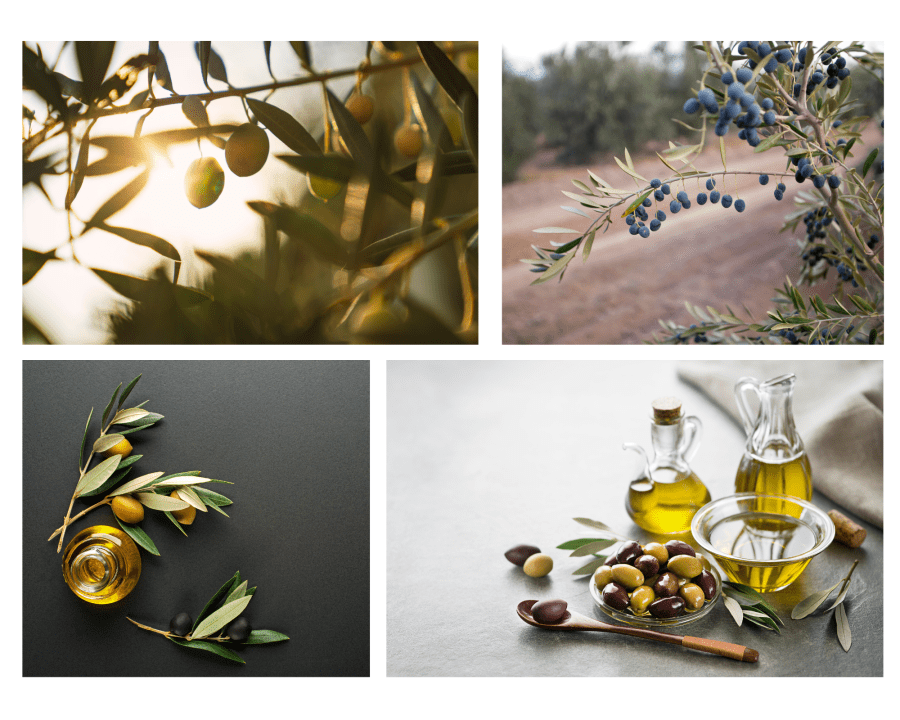
In the vast world of flora, there are a few species that stand out in their magnificence and utility. Among these is the olive plant tree, known for its beauty, resilience, and numerous benefits. The olive plant has been revered for centuries, from ancient Greek mythology to modern-day culinary culture. In this article, we will explore the wonders of the olive plant tree and delve into its historical and cultural significance.
Origin and Cultivation:
The olive plant tree, scientifically known as Olea europaea, is native to the Mediterranean Basin, specifically in areas around Greece and Italy. It has been cultivated for thousands of years, and its cultivation is now widespread throughout the world, from Spain to Australia. The olive tree is an evergreen, with a slow growth rate and a long lifespan of up to several centuries.
The cultivation of olive plants is often done in groves or orchards, with farmers carefully tending to the trees to ensure maximum production. One of the fascinating aspects of olive plant cultivation is that it is an environmentally friendly process, as olive trees require little water and can grow in arid regions.
Uses and Benefits:
The olive plant tree is a versatile creation of nature, with numerous uses and benefits. The most well-known use of olive plants is in the production of olive oil, which is widely used in cooking, cosmetics, and even in religious rituals. Olive oil is a healthy alternative to other oils, as it is rich in antioxidants and healthy fats.
Apart from olive oil, olive plants are also used for a variety of other purposes. The wood of the olive tree is dense and durable, making it ideal for furniture and decorative items. The leaves of the olive plant tree are used in traditional medicine to treat various ailments, such as high blood pressure and inflammation.
Cultural Significance:
The olive plant tree has been an integral part of many cultures throughout history. In ancient Greek mythology, the olive tree was believed to have been a gift from the goddess Athena to the people of Athens, and was thus revered as a symbol of wisdom and peace.
In Judaism, the olive plant tree is associated with the story of Noah’s Ark, as a dove brought back an olive branch as a sign that the flood had receded. In Christianity, the olive plant is significant as it is believed to have been the site of Jesus Christ’s agony in the Garden of Gethsemane.
The olive plant tree has also played a significant role in modern-day culture, particularly in the culinary world. Olives and olive oil are staples in Mediterranean cuisine and are now widely used around the world. The olive plant has even inspired a fashion trend, with olive-colored clothing and accessories being popular among fashionistas.
The Olive Plant in Art and Literature:
The olive plant tree has also been a popular subject in art and literature. In paintings, the olive tree is often depicted as a symbol of peace, as seen in Vincent van Gogh’s famous painting, “Olive Trees with the Alpilles in the Background.” The olive tree has also been a subject in literature, with many poets and writers using its imagery to convey various themes and emotions.
In Homer’s epic poem, “The Odyssey,” the olive tree is mentioned several times, representing the beauty and resilience of the natural world. The famous writer, Ernest Hemingway, also wrote extensively about the olive plant tree, describing its importance in Spanish culture and its role in producing the finest olive oil.
The Future of Olive Plant Cultivation:
As the world becomes more aware of the benefits of environmentally friendly practices, the cultivation of olive plants is likely to become even more widespread. In recent years, there has been a growing demand for organic and sustainable agriculture, and the cultivation of olive plants fits perfectly into this trend.
The use of modern technology in olive plant cultivation, such as precision agriculture and smart irrigation systems, is also likely to increase production and improve the quality of the olives and olive oil. Furthermore, the use of renewable energy sources, such as solar power, in olive plant groves can help reduce carbon emissions and promote sustainable farming practices.
The Olive Plant and Health:
The olive plant tree has numerous health benefits due to its various components, including oleic acid, phenolic compounds, and antioxidants. Olive oil, in particular, is known to reduce the risk of heart disease, stroke, and certain types of cancer. It also has anti-inflammatory properties and can help lower blood pressure.
The leaves of the olive plant tree also have medicinal properties and have been used for centuries in traditional medicine. They contain a compound called oleuropein, which has been shown to have antibacterial, antiviral, and anti-inflammatory effects.
In addition to its health benefits, the olive plant tree also has environmental benefits. As an evergreen tree, it helps to prevent soil erosion and provides a habitat for various species of animals and insects. The production of olive oil is also environmentally friendly, as it does not require harmful chemicals or intensive irrigation.
The Importance of Supporting Sustainable Olive Plant Cultivation:
As consumers, we have the power to support sustainable and environmentally friendly practices in olive plant cultivation. By choosing products that are certified organic or sustainably produced, we can help promote sustainable agriculture and protect the environment. We can also support small-scale farmers who use traditional methods of cultivation, which can help preserve traditional knowledge and promote cultural diversity.
Furthermore, by supporting sustainable olive plant cultivation, we are also supporting the local communities that depend on this industry for their livelihoods. Olive plant cultivation is an important source of income for many people around the world, and by choosing products that are sustainably produced, we can help support these communities and promote economic development.
The Olive Plant in Religious and Spiritual Traditions:
The olive plant tree has played a significant role in many religious and spiritual traditions around the world. In addition to its cultural significance, the olive plant has been associated with various spiritual practices and beliefs.
In Islam, the olive tree is mentioned several times in the Quran and is considered a symbol of peace, beauty, and goodness. Olive oil is also used in many Islamic rituals and ceremonies, such as anointing the body of the deceased before burial.
In Hinduism, the olive plant is associated with various deities and is believed to have healing properties. In Ayurvedic medicine, the leaves and oil of the olive plant tree are used to treat various ailments and promote overall health and wellness.
In Native American traditions, the olive plant tree is associated with healing, protection, and strength. The leaves and bark of the olive tree are used in traditional medicine to treat various ailments and promote physical and spiritual well-being.
The olive plant tree has also been associated with various spiritual practices, such as meditation, prayer, and ritual cleansing. The use of olive oil in spiritual practices is believed to symbolize purity, wisdom, and spiritual illumination.
The Olive Plant and Biodiversity:
The olive plant tree is not only a valuable crop for its numerous benefits but also plays an important role in supporting biodiversity. Olive groves provide habitat for a variety of species, including birds, insects, and small mammals. The leaves and fruits of the olive plant also provide food for many animals.
However, the monoculture of olive groves, where only one crop is grown over a large area, can have negative impacts on biodiversity. To mitigate this, farmers can implement agroforestry practices, where different crops and trees are planted together, creating a more diverse ecosystem. This can help support a wider range of species and promote ecological resilience.
Furthermore, traditional methods of cultivation, such as terracing, can also help preserve biodiversity. Terraced olive groves provide habitat for many plant and animal species and can help prevent soil erosion and other environmental degradation.
The Future of Olive Plant Research:
As the demand for olive oil and other olive plant products continues to grow, there is a need for continued research into the cultivation, processing, and health benefits of olive plants. This research can help improve production methods, increase yields, and develop new products and applications for olive oil and other components of the olive plant tree.
One area of research is the development of new cultivars of olive plants that are better adapted to different climates and soils. This can help expand the cultivation of olive plants to new regions and increase the availability of olive oil and other products.
Another area of research is the identification and extraction of new bioactive compounds from olive plants. These compounds have potential health benefits and can be used in a variety of applications, from food to pharmaceuticals.
Furthermore, research is needed to explore the potential of olive plant waste, such as the leaves and pomace, which are currently underutilized. These waste products contain valuable compounds that can be used in the development of new products, such as cosmetics and nutraceuticals.
Conclusion:
The future of olive plant research is bright, with numerous opportunities for innovation and development. By continuing to explore the potential of the olive plant tree, we can improve production methods, develop new products and applications, and promote sustainable and environmentally friendly practices. The olive plant tree is a remarkable creation of nature, with numerous benefits for health, the environment, and society. By investing in research, we can ensure that these benefits are maximized and that the olive plant tree continues to play an important role in human culture and history.

