
In the age-old battle between humans and rodents, the rat trap stands as a stalwart defender of our domiciles and granaries. For centuries, ingenious minds have been devising and refining contraptions to outsmart these wily creatures, leading to the development of an astonishing array of rodent abatement apparatuses. However, among these traps, none is more revered and widely used than the humble rat trap.
With its simple yet effective design, the rat trap has been keeping homes, warehouses, and farms free from pesky rodents for generations. But what is the science behind this seemingly straightforward device? How does it work, and why is it so successful? In this article, we will explore the mechanism of the rat trap and shed light on its intricate workings.
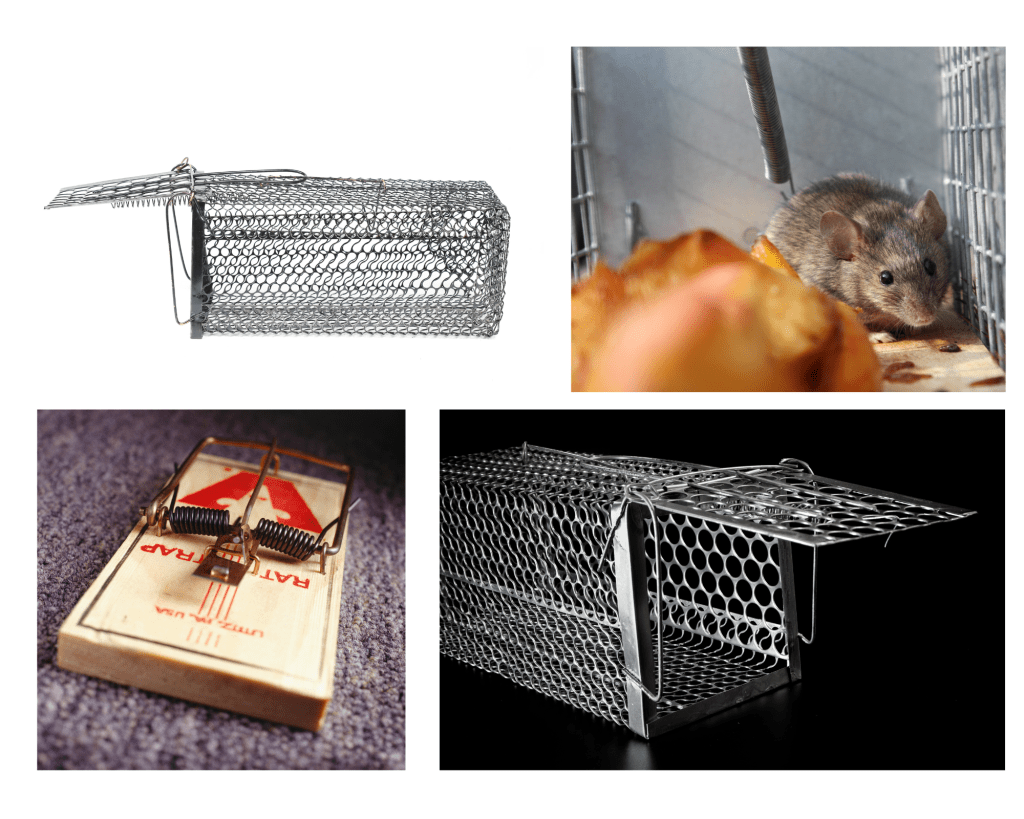
The Anatomy of the Rat Trap:
At its core, a rat trap consists of three essential components: a bait station, a triggering mechanism, and a killing device. These three parts work in conjunction to lure in the unsuspecting rat, trigger the trap, and deliver the fatal blow.
The bait station is where the rat’s downfall begins. This is the point where the rat’s curiosity and hunger are exploited to lure it to its doom. The bait can be anything from a piece of cheese or meat to a dollop of peanut butter. The goal is to make the bait irresistible, drawing the rat in and tempting it to enter the trap.
Once inside the trap, the rat encounters the triggering mechanism. This is the heart of the rat trap, where the rat’s fate is decided. The triggering mechanism is typically a small lever or platform that is designed to release the killing device when it is disturbed.
The killing device is the final blow that seals the rat’s fate. There are several different types of killing devices, including spring-loaded bars, electrical shocks, and even drowning pools. Regardless of the method, the goal is the same: to deliver a quick, humane death to the rat and prevent suffering.
The Science of the Rat Trap:
While the rat trap may seem like a simple device, its design is the result of years of scientific research and experimentation. The key to the rat trap’s success lies in its ability to exploit the rat’s natural instincts and behaviors.
One of the most critical factors in the rat trap’s effectiveness is the type of bait used. Research has shown that rats have a strong preference for certain types of foods, including high-fat and high-protein items. By using these types of baits, the trap can lure in rats more effectively and increase the chances of a successful catch.
The triggering mechanism is also critical to the rat trap’s success. Rats are naturally curious and will investigate anything that appears new or different. By designing a triggering mechanism that is sensitive and responsive, the trap can take advantage of this behavior and increase its chances of catching a rat.
Finally, the killing device is designed to deliver a quick and humane death to the rat. This is important not only from an ethical perspective but also from a practical one. A trap that delivers a slow, painful death will not be as effective, as rats are intelligent creatures and will learn to avoid traps that cause suffering.
The History of the Rat Trap:
The rat trap has a long and storied history, with evidence of its use dating back thousands of years. The ancient Egyptians were known to use traps made from woven reeds to catch rodents, while the Greeks and Romans used traps made from bronze or iron.
However, it wasn’t until the 19th century that the rat trap as we know it today was developed. In 1894, James Henry Atkinson patented the “Little Nipper,” a rat trap that used a spring-loaded bar to deliver
fatal blow. The Little Nipper was an instant success and quickly became the most popular rat trap in the world, a status it still holds today.
Over the years, the rat trap has undergone many changes and improvements. In the early 20th century, electric rat traps were developed, which used a high-voltage shock to kill rodents. In the 1950s, glue traps were introduced, which use a sticky adhesive to trap rats.
Despite these advances, the traditional rat trap remains the most popular and effective method of rodent control. Its simplicity, low cost, and effectiveness have made it a mainstay in homes, warehouses, and farms worldwide.
Unorthodox Uses of the Rat Trap:
While the rat trap is primarily designed to catch rats, it has also been used for a variety of other purposes over the years. Some of these unorthodox uses include:
- Mouse trap car: A mouse trap car is a small vehicle powered by a mouse trap. By attaching a mouse trap to the rear axle of a small car, it is possible to use the energy from the trap to propel the car forward.
- Art installations: The rat trap has been used in a variety of art installations, both as a medium and as a subject. From giant rat trap sculptures to trap-inspired paintings, the rat trap has inspired artists around the world.
- Pest control for larger animals: While the rat trap is primarily designed to catch rats, it can also be used to catch larger animals such as possums, raccoons, and squirrels. By modifying the size of the trap and using appropriate bait, it is possible to catch a wide range of animals.
As we have seen, the rat trap is much more than a mere device for catching rodents. It is the result of years of scientific research and experimentation, and its design reflects a deep understanding of the behavior and habits of rats.
While the rat trap may seem like a relic of the past, it remains an important tool in the fight against rodent infestations. Whether you are dealing with rats, mice, or other types of pests, the rat trap is a reliable and effective solution that can help you keep your home or business rodent-free.
Alternative Rat Control Methods:
While the rat trap remains the most popular and effective method of rodent control, there are also alternative methods available. These include:
- Electronic Rat Repellents: Electronic rat repellents emit high-frequency sound waves that are designed to repel rodents. While these devices are marketed as a humane alternative to traps, their effectiveness is disputed, and there is little scientific evidence to support their use.
- Poison Baits: Poison baits are a popular method of rodent control, but they come with some significant drawbacks. Firstly, poison baits can be dangerous to humans and pets, as well as non-target animals that may eat the poisoned rodents. Secondly, poisoned rats may die in hard-to-reach places, leading to unpleasant odors and potential health risks.
- Ultrasonic Repellents: Ultrasonic repellents work on the same principle as electronic rat repellents, emitting high-frequency sound waves to deter rodents. However, like electronic rat repellents, their effectiveness is debated.
When considering alternative methods of rat control, it is important to weigh the potential benefits and risks carefully. While traps can be seen as cruel by some, they are a tried and tested method of rodent control that is both effective and humane.
Tips for Effective Rat Trapping:
While rat trapping may seem straightforward, there are some tips and tricks that can increase your chances of success. These include:
- Bait selection: As we mentioned earlier, bait selection is critical to the success of your trap. Rats have a strong preference for high-fat and high-protein foods, so choose a bait that fits this profile.
- Trap placement: Rats are creatures of habit and tend to follow established routes. Placing your trap along these routes, such as walls or in corners, can increase your chances of catching a rat.
- Set multiple traps: Setting multiple traps at once can increase your chances of success, especially if you have a significant rat infestation.
- Check traps regularly: Checking your traps regularly is important, as trapped rats can attract other rodents or even insects. It is also essential to dispose of trapped rats promptly and safely to avoid health risks.
While there are alternative methods of rat control available, including electronic repellents and poison baits, traps remain the most reliable and humane option. By following the tips and tricks outlined above, you can increase your chances of success and keep your home or business free from rats and other rodents.
Rat Trapping Safety Precautions:
While the use of rat traps can be an effective method for rodent control, it is important to take certain safety precautions to prevent harm to people and pets. Some of these precautions include:
- Wear gloves: When handling traps or disposing of dead rodents, it is important to wear gloves to prevent the spread of disease.
- Keep traps out of reach of children and pets: Traps should be placed in areas where children and pets cannot reach them. If using poison baits, ensure that they are kept in tamper-proof bait stations.
- Use caution when setting traps: Rat traps can be dangerous if set incorrectly or if they accidentally trigger. Always use caution when setting traps to prevent injury.
- Dispose of dead rodents promptly: Dead rodents can attract other pests or create unpleasant odors. Dispose of them promptly and safely, following local regulations for disposal.
By following these safety precautions, you can ensure that your rat trapping efforts are effective and safe for everyone involved.
The Ethics of Rat Trapping:
While rat trapping is a necessary component of rodent control, it is not without controversy. Some people view traps as inhumane and advocate for more “natural” methods of rat control, such as owl or cat populations.
However, these methods are often not effective or practical, and the use of traps remains the most reliable and humane option. Furthermore, when used correctly, traps can deliver a quick and painless death to the trapped rat, preventing prolonged suffering.
That being said, it is important to use traps responsibly and dispose of dead rodents promptly and safely. By doing so, we can ensure that our rodent control efforts are both effective and ethical.
Conclusion:
In conclusion, the rat trap is an essential tool for rodent control that has stood the test of time. Its design reflects a deep understanding of rat behavior and instincts, making it an ideal tool for catching these pesky rodents.
While there are alternative methods of rat control available, traps remain the most reliable and humane option. By following the tips and tricks outlined in this article, you can increase your chances of success and keep your home or business free from rats and other rodents.
Additionally, by following safety precautions and using traps responsibly, we can ensure that our rodent control efforts are both effective and ethical. The rat trap may be a simple device, but its impact on our lives and livelihoods cannot be understated.

