
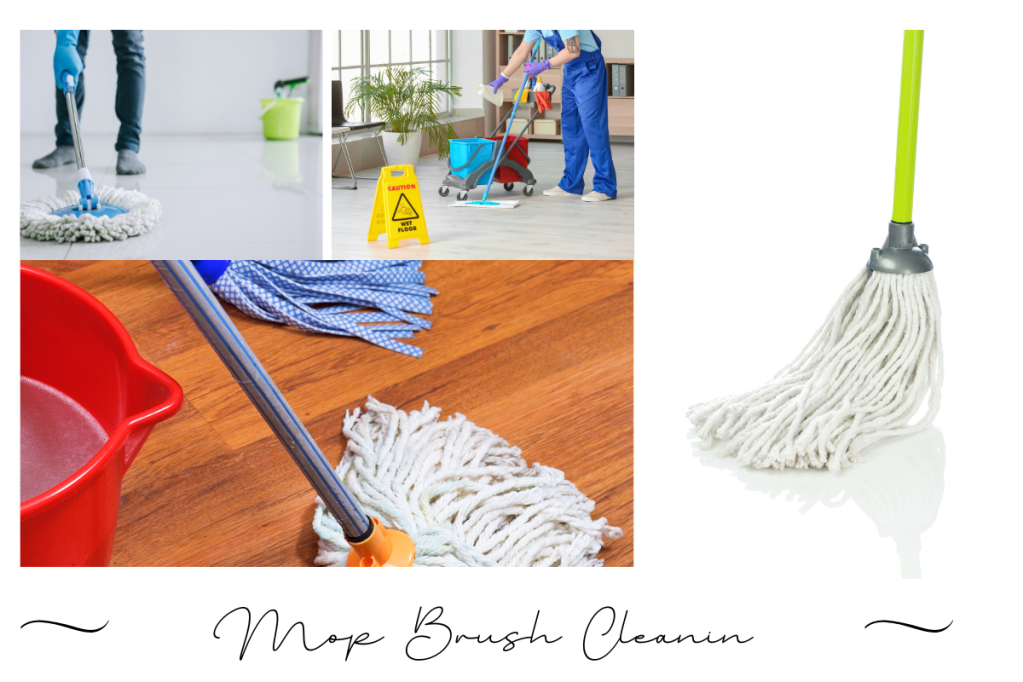
Mop brushes are essential tools for many types of painting and surface coating projects. They are designed to hold and release large amounts of paint or other liquid materials, making them ideal for covering large areas quickly and efficiently. However, because of their unique design and materials, mop brushes require special care and maintenance to keep them in good condition and ensure optimal performance. In this article, we will explore the importance of proper mop brush cleaning techniques, and offer some tips and advice for how to clean and care for your mop brushes effectively.
Why Proper Mop Brush Cleaning is Important
Proper cleaning is essential for maintaining the quality and effectiveness of your mop brushes over time. When left uncleaned, paint and other materials can dry and harden on the brush fibers, making it difficult to apply paint evenly and smoothly. This can lead to streaks, uneven coverage, and other imperfections in your finished work. Additionally, a buildup of paint or other materials on the brush fibers can cause the bristles to become stiff and brittle over time, reducing their ability to hold and release paint effectively.
In addition to affecting the quality of your work, improper mop brush cleaning can also cause damage to the brush fibers themselves. Harsh chemicals or abrasive cleaning tools can strip the natural oils from the brush fibers, causing them to become dry and brittle. This can lead to fraying, splitting, or even breaking of the bristles, which can render the brush unusable.
How to Clean Mop Brushes
Cleaning your mop brushes properly after each use is essential for maintaining their quality and longevity. Here are some tips and techniques for cleaning your mop brushes effectively:
- Rinse the brush thoroughly with warm water: Start by rinsing the brush under warm running water. Use your fingers to gently work the water into the brush fibers, making sure to remove any excess paint or other materials.
- Use a mild soap or cleaning solution: After rinsing the brush, apply a small amount of mild soap or cleaning solution to the brush fibers. Use your fingers to work the soap into the fibers, taking care not to scrub too vigorously.
- Rinse the brush again: Once you have worked the soap into the brush fibers, rinse the brush again under warm running water. Be sure to rinse thoroughly, making sure to remove all traces of soap or cleaning solution.
- Dry the brush: After rinsing, gently shake the brush to remove excess water. Then, lay the brush flat on a clean, dry surface to dry completely. Avoid standing the brush upright, as this can cause water to pool at the base of the bristles, which can lead to mold or mildew growth.
Tips for Maintaining Mop Brushes
In addition to proper cleaning techniques, there are some other tips and tricks for maintaining your mop brushes and keeping them in good condition over time:
- Store your brushes properly: After cleaning, store your mop brushes in a cool, dry place, away from direct sunlight or heat sources. Avoid storing them in a closed container or with the bristles facing downward, as this can cause the bristles to become misshapen.
- Avoid using harsh chemicals: When cleaning your mop brushes, avoid using harsh chemicals or solvents, as these can damage the brush fibers and cause them to become brittle. Instead, opt for mild soaps or cleaning solutions that are specifically designed for use with artist brushes.
- Use a brush conditioner: To help keep your mop brushes in top condition, consider using a brush conditioner or oil. These products can help to restore the natural oils in the brush fibers, keeping them soft and supple over time.
S
Mop brushes come in different shapes and sizes, and they are made from different materials. Some are designed for use with watercolors, while others are better suited for acrylics or oils. It’s important to select the right type of mop brush for your specific needs, and to follow the manufacturer’s instructions for care and maintenance.
One important consideration when cleaning mop brushes is the type of paint or material that was used with the brush. Watercolors, for example, are typically easier to clean than acrylics or oils. If you’re working with acrylics or oils, you may need to use a specialized cleaning solution or solvent to remove the paint from the brush fibers.
It’s also important to clean your mop brushes regularly, even if you’re not using them on a daily basis. Leaving paint or other materials on the brush fibers for an extended period of time can cause the fibers to become stiff and brittle, reducing the brush’s effectiveness over time.
If you’re working on a large painting or coating project, you may find that you need to clean your mop brushes frequently during the course of your work. In this case, it can be helpful to have multiple brushes on hand, so that you can rotate them and clean them as needed without interrupting your workflow.
Another important consideration when cleaning mop brushes is the use of proper cleaning tools and techniques. Avoid using harsh chemicals or abrasive cleaning tools, as these can damage the brush fibers and shorten the lifespan of your brushes. Instead, use mild soaps or cleaning solutions that are specifically designed for use with artist brushes, and use your fingers or a soft-bristled brush to gently work the cleaning solution into the brush fibers.
When drying your mop brushes, it’s important to avoid standing them upright or resting them on their bristles. This can cause water to pool at the base of the bristles, which can lead to mold or mildew growth. Instead, lay the brushes flat on a clean, dry surface to dry completely, and avoid exposing them to direct sunlight or heat sources.
In addition to proper cleaning and maintenance, there are some other tips and tricks for getting the most out of your mop brushes. For example, you can use different brush strokes and techniques to achieve different effects and textures in your paintings or coatings. You can also experiment with different types of brushes and materials to find the ones that work best for your specific needs and artistic style
When it comes to cleaning your mop brushes, it’s important to pay attention to the specific cleaning instructions provided by the manufacturer. Different types of brushes and materials may require different cleaning methods or solutions, and using the wrong cleaning technique could potentially damage the brush fibers.
For example, some brushes may be made with natural hair fibers, such as sable or hog hair, while others may be made with synthetic fibers. Natural hair brushes are often considered to be higher quality and may provide better results, but they also require more careful cleaning and maintenance to prevent damage to the delicate fibers.
If you’re unsure about how to clean a particular type of mop brush, it can be helpful to consult with an art supply store or professional artist for guidance. They may be able to recommend specific cleaning products or techniques that are appropriate for your particular brush.
In addition to regular cleaning, it’s also important to store your mop brushes properly to prevent damage or deformation. Store them in a cool, dry place where they won’t be crushed or bent, and avoid exposing them to extreme temperatures or humidity levels.
If you’re traveling with your mop brushes, consider investing in a protective case or roll-up storage system to keep them safe and organized. These cases are typically designed with individual slots or pockets for each brush, allowing you to easily transport and access your brushes while keeping them protected.
Another important factor to consider when cleaning your mop brushes is the type of surface or material that you’re working on. For example, if you’re using your mop brush to apply a coating to a surface that is particularly delicate or porous, such as wood or fabric, you may need to take extra care to avoid damaging the surface or leaving behind visible brush strokes.
In these cases, it can be helpful to practice your technique on a small, inconspicuous area of the surface before proceeding with the full application. You may also want to consider using a different type of brush or applicator, such as a foam roller or spray gun, to achieve a smoother, more even finish.
Overall, cleaning your mop brushes is an essential part of maintaining their performance and longevity over time. By following proper cleaning techniques, storing your brushes correctly, and taking care to use the right brush for your specific needs, you can achieve beautiful results with your mop brushes for years to come.
In conclusion, cleaning your mop brushes is an important task that requires careful attention and consideration. Different brushes and materials may require different cleaning techniques, and it’s important to follow the instructions provided by the manufacturer or seek guidance from a professional if you’re unsure. Proper cleaning and maintenance, along with proper storage and use, can help ensure that your mop brushes remain in good condition and provide optimal performance over time. With a little effort and attention to detail, you can continue to achieve beautiful results with your mop brushes for years to come.

