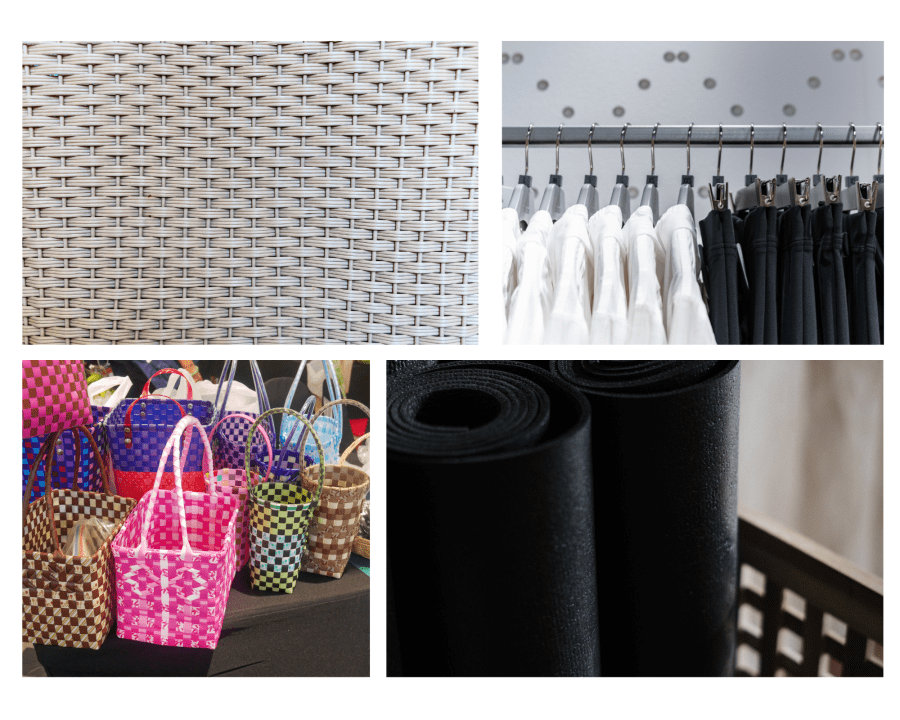
In a world where plastic is considered a nuisance and an environmental hazard, the plastic basket stands as a marvel of modern design. This unassuming household item has been around for decades, yet it remains a staple in many homes and businesses. The plastic basket is versatile, durable, and aesthetically pleasing, making it the perfect solution for a wide range of storage and organizational needs. In this article, we will explore the various features and benefits of the plastic basket, as well as its history and evolution over time.
The Evolution of the Plastic Basket:
The plastic basket has come a long way since its inception in the mid-20th century. Initially, plastic baskets were simple, utilitarian containers used primarily for storing and transporting goods. However, as plastic technology advanced, so did the design and functionality of the plastic basket.
Today, plastic baskets come in a wide variety of shapes, sizes, and colors, with some even featuring intricate patterns and designs. The modern plastic basket is also incredibly durable, able to withstand a wide range of temperatures and environments without cracking or breaking.
The Benefits of the Plastic Basket:
One of the primary benefits of the plastic basket is its versatility. Whether you need to store toys, clothing, or tools, there is a plastic basket that will meet your needs. The ability to stack and nest plastic baskets also makes them a space-saving storage solution.
Another benefit of the plastic basket is its durability. Unlike traditional woven baskets, plastic baskets are resistant to moisture, pests, and other environmental factors that can cause damage over time. This makes them ideal for use in areas like basements, garages, and sheds, where moisture and pests are common.
Plastic baskets are also incredibly easy to clean and maintain. Unlike woven baskets that can become stained or absorb odors, plastic baskets can be easily wiped down with a damp cloth or rinsed with soap and water. This makes them ideal for use in areas where hygiene is a concern, such as in kitchens or bathrooms.
The Aesthetics of the Plastic Basket:
While the plastic basket is certainly functional, it is also surprisingly aesthetic. Modern plastic baskets come in a range of colors and patterns, making them a fun and playful addition to any home or business. Whether you prefer bright, bold colors or more muted, understated tones, there is a plastic basket that will suit your style.
Plastic baskets are also incredibly versatile when it comes to design. They can be made in a range of shapes and sizes, from small, square containers to large, rectangular bins. Some plastic baskets even feature decorative cut-outs or intricate patterns, adding an extra touch of elegance to an otherwise utilitarian item.
The Sustainability of the Plastic Basket:
One of the most common criticisms of plastic products is their impact on the environment. However, plastic baskets are actually a more sustainable choice than many other types of baskets. Unlike woven baskets, which are often made from natural materials that require significant resources to harvest and process, plastic baskets can be made from recycled materials. Additionally, plastic baskets are highly durable and long-lasting, reducing the need for frequent replacement.
The History of the Plastic Basket
The plastic basket has a rich history that dates back to the mid-20th century. The first plastic baskets were simple, utilitarian containers made from polyethylene, a type of plastic that was developed in the 1930s. These early plastic baskets were used primarily for storage and transportation in industrial and commercial settings.
As plastic technology advanced, so did the design and functionality of the plastic basket. In the 1960s, plastic injection molding became more widely used, allowing for the production of more complex and intricate shapes. This led to the development of plastic baskets with handles and lids, making them even more versatile and practical.
Today, plastic baskets are available in a wide range of shapes, sizes, and colors, with some even featuring intricate patterns and designs. While the early plastic baskets were primarily used in industrial and commercial settings, modern plastic baskets have become a staple in many homes and businesses.
The Different Types of Plastic Baskets
Plastic baskets come in a wide range of shapes and sizes, each designed to meet specific storage and organizational needs. Some of the most common types of plastic baskets include:
- Nesting Baskets: Nesting baskets are designed to stack inside each other, making them a space-saving storage solution.
- Woven Baskets: Woven baskets are made from thin plastic strips woven together to create a traditional woven basket look.
- Mesh Baskets: Mesh baskets are made from a plastic mesh material that allows air to circulate around the contents.
- Modular Baskets: Modular baskets can be connected together to create larger storage solutions.
- Stackable Baskets: Stackable baskets are designed to be stacked on top of each other, making them an ideal solution for small spaces.
Creative Uses for Plastic Baskets
While plastic baskets are primarily used for storage and organization, they can also be used in a variety of creative ways. Some of the most popular creative uses for plastic baskets include:
- Wall Decor: Small plastic baskets can be hung on the wall to create a unique and functional piece of wall decor.
- Planter: Plastic baskets can be filled with soil and used as a planter for small plants.
- Laundry Hamper: Large plastic baskets can be used as a laundry hamper, making it easy to transport laundry to and from the washing machine.
- Toy Storage: Plastic baskets are an ideal solution for storing toys, as they can be easily stacked and organized.
- Kitchen Storage: Plastic baskets can be used to store kitchen utensils, spices, and other small items.
Maintenance and Care of Plastic Baskets
While plastic baskets are incredibly durable and long-lasting, they still require some basic maintenance and care to keep them in top condition. Here are some tips for maintaining and caring for your plastic baskets:
- Clean the baskets regularly with a damp cloth or mild soap and water.
- Avoid using abrasive cleaners or sponges, as these can scratch the surface of the plastic.
- Store the baskets in a dry, cool place to prevent warping or cracking.
- Avoid exposing the baskets to direct sunlight, as this can cause the plastic to fade or discolor.
- Check the baskets regularly for cracks or damage, and replace any damaged baskets as needed.
The Advantages of Plastic Baskets over Other Materials
While plastic baskets may not be the only type of basket available on the market, they do offer several advantages over other materials. Here are some of the main advantages of plastic baskets:
- Durability: Plastic baskets are highly durable and long-lasting, able to withstand a wide range of temperatures and environments without cracking or breaking. This makes them ideal for use in areas where other materials, such as woven baskets or wire baskets, may not hold up as well.
- Hygiene: Plastic baskets are easy to clean and maintain, making them an ideal solution for areas where hygiene is a concern, such as in kitchens or bathrooms. Unlike woven baskets that can become stained or absorb odors, plastic baskets can be easily wiped down with a damp cloth or rinsed with soap and water.
- Sustainability: While plastic products are often criticized for their impact on the environment, plastic baskets are actually a more sustainable choice than many other types of baskets. Plastic baskets can be made from recycled materials and are highly durable, reducing the need for frequent replacement.
- Versatility: Plastic baskets come in a wide range of shapes, sizes, and colors, making them a versatile storage and organizational solution. They can be used for everything from storing toys and clothing to organizing tools and gardening supplies.
- Affordability: Plastic baskets are typically more affordable than other types of baskets, such as woven baskets or wire baskets. This makes them an ideal solution for anyone looking for an inexpensive way to organize their space.
The Future of Plastic Baskets
As technology continues to advance, it is likely that we will see even more innovations in the design and functionality of plastic baskets. For example, there may be new materials developed that are even more sustainable and eco-friendly than current plastic materials. Additionally, there may be new designs and shapes that make plastic baskets even more versatile and practical.
One potential area of innovation for plastic baskets is in the use of smart technology. Imagine a plastic basket that automatically adjusts its size and shape to fit the items being stored inside it, or a plastic basket that has sensors that monitor the contents and alert you when it is time to restock. While these ideas may seem far-fetched, they are not beyond the realm of possibility given the rapid pace of technological advancement.
The Impact of Plastic Basket on Society and Culture
The plastic basket may seem like a small and insignificant household item, but its impact on society and culture is far-reaching. Plastic baskets have become an integral part of our daily lives, used in homes, businesses, and public spaces all around the world. They have become a symbol of modern design and practicality, representing the efficient use of resources and materials.
In addition to their practical benefits, plastic baskets have also had a significant cultural impact. They have been used in art installations and design exhibitions, demonstrating their versatility and aesthetic appeal. They have also been featured in movies, TV shows, and advertisements, becoming a recognizable symbol of contemporary living.
However, it is important to recognize the potential negative impact of plastic baskets on the environment. As with all plastic products, plastic baskets have the potential to contribute to plastic waste and pollution. It is important for consumers to choose sustainably produced plastic baskets and dispose of them responsibly when they are no longer needed.
Conclusion:
The plastic basket may seem like a small and unimportant household item, but its impact on society and culture is significant. Plastic baskets have become a symbol of modern design and practicality, representing the efficient use of resources and materials. However, it is important to recognize the potential negative impact of plastic baskets on the environment and to choose sustainably produced plastic baskets whenever possible. By doing so, we can continue to enjoy the benefits of plastic baskets while minimizing their impact on the planet.

