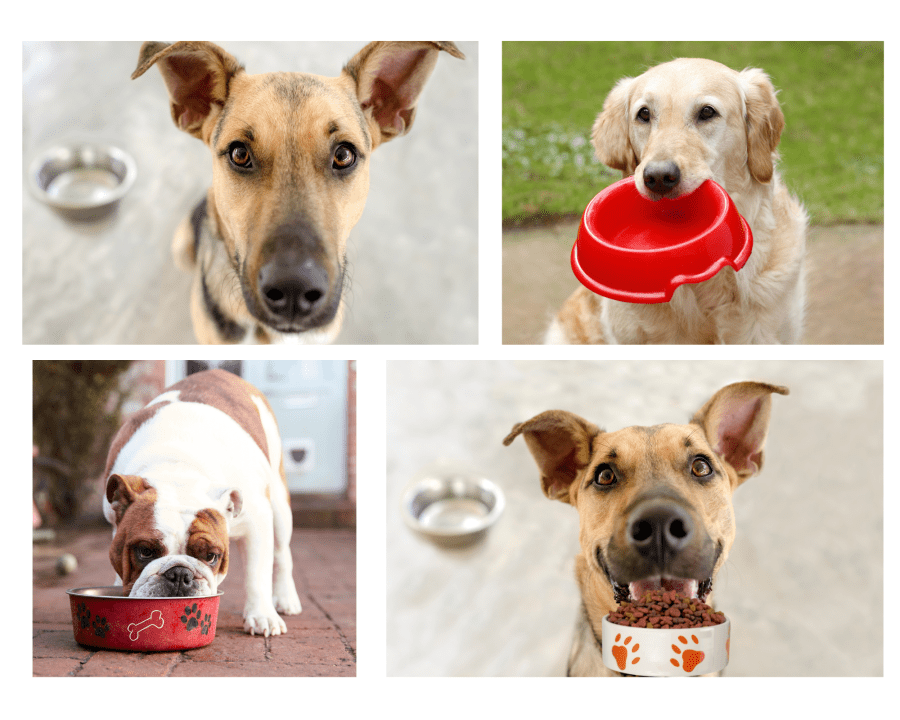
From the moment a furry companion enters our lives, their health and well-being become a top priority. We choose the best food, treats, toys, and accessories to ensure they lead a happy and healthy life. One such accessory that is often overlooked but deserves equal attention is the dog bowl. A vessel that holds the very sustenance that keeps our four-legged friends going, a dog bowls is more than just a container. It is a gateway to a world of canine culinary experiences, and in this article, we delve deep into the world of dog bowls.
The Basic Anatomy of a Dog Bowls:
A dog bowl is a simple yet essential accessory in a dog’s life. A typical dog bowl consists of two main parts: the bowl and the base. The bowl is the container that holds the food and water. It comes in different shapes, sizes, and materials. The base is the foundation of the bowl that keeps it in place and prevents it from spilling or sliding. The base can be detachable or fixed to the bowl, depending on the design.
Material Matters:
The material of the dog bowl plays a crucial role in determining its durability, safety, and hygiene. The most common materials used in dog bowls are plastic, stainless steel, ceramic, and silicone.
Plastic Dog Bowls:
Plastic dog bowls are lightweight, affordable, and come in a range of colors and designs. However, they are prone to scratches, cracks, and chew marks, which can harbor bacteria and cause health problems. Moreover, some plastic bowls contain harmful chemicals like BPA that can leach into the food and water, causing health hazards.
Stainless Steel Dog Bowls:
Stainless steel dog bowls are durable, long-lasting, and easy to clean. They do not absorb odors or bacteria and are resistant to scratches, cracks, and chew marks. Moreover, stainless steel is a non-porous material that does not react with acidic or alkaline food and water, making it safe for dogs with sensitive stomachs.
Ceramic Dog Bowls:
Ceramic dog bowls are aesthetically pleasing and come in a range of designs, colors, and patterns. They are heavier than plastic and stainless steel bowls, making them less prone to tipping over. However, ceramic bowls are fragile and can break or chip if dropped or mishandled. Moreover, they are porous, which means they can absorb bacteria, odors, and stains, making them less hygienic.
Silicone Dog Bowls:
Silicone dog bowls are lightweight, collapsible, and easy to carry. They are ideal for travel, camping, and outdoor activities. However, they are not as durable as plastic, stainless steel, or ceramic bowls and can tear or puncture if chewed or scratched.
Designs and Shapes:
Dog bowls come in a variety of designs and shapes, each catering to specific needs and preferences.
Raised Dog Bowls:
Raised dog bowls are designed to elevate the food and water to a comfortable height for dogs. They are ideal for older dogs or dogs with joint problems who find it difficult to bend down to eat or drink. Raised dog bowls come in different heights, widths, and materials.
Slow-Feeder Dog Bowls:
Slow-feeder dog bowls are designed to prevent dogs from eating too fast and choking or vomiting. They have ridges, mazes, or obstacles that slow down the eating pace and make the mealtime more challenging and stimulating for dogs. Slow-feeder dog bowls come in different sizes, shapes, and materials.
Interactive Dog Bowls:
Interactive dog bowls are designed to engage dogs in mental and physical stimulation while eating. They have puzzles, toys, or obstacles that require dogs to solve or overcome to access the food or water. Interactive dog bowls are ideal for dogs who get bored easily or have separation anxiety. They come in different levels of difficulty and materials.
Travel Dog Bowls:
Travel dog bowls are designed for dogs on the go. They are lightweight, collapsible, and easy to store in a bag or pocket. Travel dog bowls come in different sizes, shapes, and materials, and are ideal for hiking, camping, or road trips.
Decorative Dog Bowls:
Decorative dog bowls are designed to add a touch of style and personality to a dog’s dining experience. They come in a range of designs, colors, and patterns, and can complement the interior décor of a home. Decorative dog bowls are made of different materials, including ceramic, stainless steel, and plastic.
Cleaning and Maintenance:
Cleaning and maintaining a dog bowl is essential for a dog’s health and hygiene. A dirty or contaminated dog bowl can harbor bacteria, mold, and other harmful substances that can cause health problems. Here are some tips on how to clean and maintain a dog bowl:
- Wash the dog bowl with warm soapy water after every meal.
- Rinse the dog bowl thoroughly to remove any soap residue.
- Dry the dog bowl with a clean towel or air dry.
- Clean the dog bowl with a mild disinfectant or vinegar solution once a week.
- Check the dog bowl for scratches, cracks, or chew marks, and replace if necessary.
The Impact of Dog Bowls on a Dog’s Eating Habits:
The type of dog bowl a pet owner chooses can have a significant impact on their dog’s eating habits. For example, a raised dog bowl can make it easier for an older dog or a dog with joint problems to access their food and water. Slow-feeder dog bowls can help prevent a dog from eating too fast and getting sick, while interactive dog bowls can provide mental and physical stimulation during mealtime.
Furthermore, the size and shape of a dog bowl can also affect a dog’s eating habits. A smaller bowl can help control portion sizes and prevent overeating, while a larger bowl can provide ample space for a larger breed dog to eat comfortably. A shallow bowl can be easier for a flat-faced breed, like a pug or a bulldog, to eat from, while a deeper bowl can be better for a breed with a longer snout.
It is important to note that some dogs may have specific feeding requirements, such as a need for a slow feeder bowl due to medical conditions like bloat or other digestive issues. In these cases, consulting with a veterinarian or a canine nutritionist can help determine the best type of bowl to suit a dog’s needs.
The Psychological Benefits of a Dog Bowl:
Apart from the physical benefits of a dog bowl, it can also provide psychological benefits to a dog. A dog’s sense of smell is highly developed, and the scent of their food and water can trigger positive emotions and associations. A clean and well-maintained dog bowl can create a positive feeding experience for a dog and contribute to their overall happiness and well-being.
Additionally, providing a variety of dog bowls, such as a slow feeder, an interactive bowl, and a raised bowl, can add a level of mental stimulation to a dog’s feeding routine. This can help prevent boredom and keep a dog’s mind engaged and active.
The Evolution of Dog Bowls:
The history of dog bowls dates back thousands of years, with evidence of ancient civilizations using bowls to feed their canine companions. However, the early dog bowls were typically made from clay or stone and lacked the durability and hygiene of modern dog bowls.
In the early 1900s, the first commercial dog bowl was introduced, made from a durable material called Bakelite. The design of the dog bowl remained relatively unchanged until the 1960s, when plastic became a popular material for dog bowls due to its affordability and flexibility.
As concerns about the safety of plastic arose, stainless steel and ceramic dog bowls gained popularity in the 1990s. These materials provided a more durable and hygienic option for dog bowls, but also came with their own set of drawbacks, such as the fragility of ceramic and the weight of stainless steel.
Today, dog bowls are available in a wide range of materials, designs, and shapes, catering to the specific needs and preferences of individual dogs. From raised bowls to slow-feeders to interactive bowls, the evolution of dog bowls has provided pet owners with a variety of options to enhance their furry friend’s feeding experience.
Future Innovations in Dog Bowls:
As technology advances, so do the possibilities for innovation in dog bowls. Already, there are dog bowls that can measure the amount of food a dog eats and automatically reorder food when supplies run low. There are also dog bowls that can connect to a smartphone app, allowing pet owners to monitor their dog’s eating habits from afar.
In the future, it is possible that dog bowls will incorporate even more advanced technology, such as sensors that can detect a dog’s weight and adjust portion sizes accordingly. There may also be dog bowls that can analyze a dog’s food preferences and create custom meal plans based on their individual needs.
Environmental Impact of Dog Bowls:
While selecting the right dog bowl for a furry friend is important, it is also essential to consider the environmental impact of the chosen bowl. Most dog bowls are made from non-biodegradable materials like plastic, stainless steel, and ceramic, which can take hundreds of years to decompose and contribute to landfill waste.
One option to reduce the environmental impact of dog bowls is to choose bowls made from sustainable and biodegradable materials like bamboo, cornstarch, or recycled plastic. These materials break down faster and do not contribute to environmental pollution.
Another option is to opt for dog bowls that are designed for longevity and can be used for a long time without being replaced. This not only reduces waste but also saves money in the long run.
Furthermore, properly disposing of old or broken dog bowls is crucial. Many recycling centers accept stainless steel and some plastic dog bowls, but it is essential to check with the local recycling facility for specific guidelines.
Conclusion:
In conclusion, while selecting the right dog bowl for a furry friend is essential, it is also important to consider the environmental impact of the chosen bowl. Opting for sustainable and biodegradable materials or choosing bowls designed for longevity can significantly reduce waste and environmental pollution. Properly disposing of old or broken dog bowls is also crucial to ensure they are recycled or disposed of safely. By taking these steps, pet owners can make a positive impact on the environment and contribute to a better future for all.
 Hey Singapore