
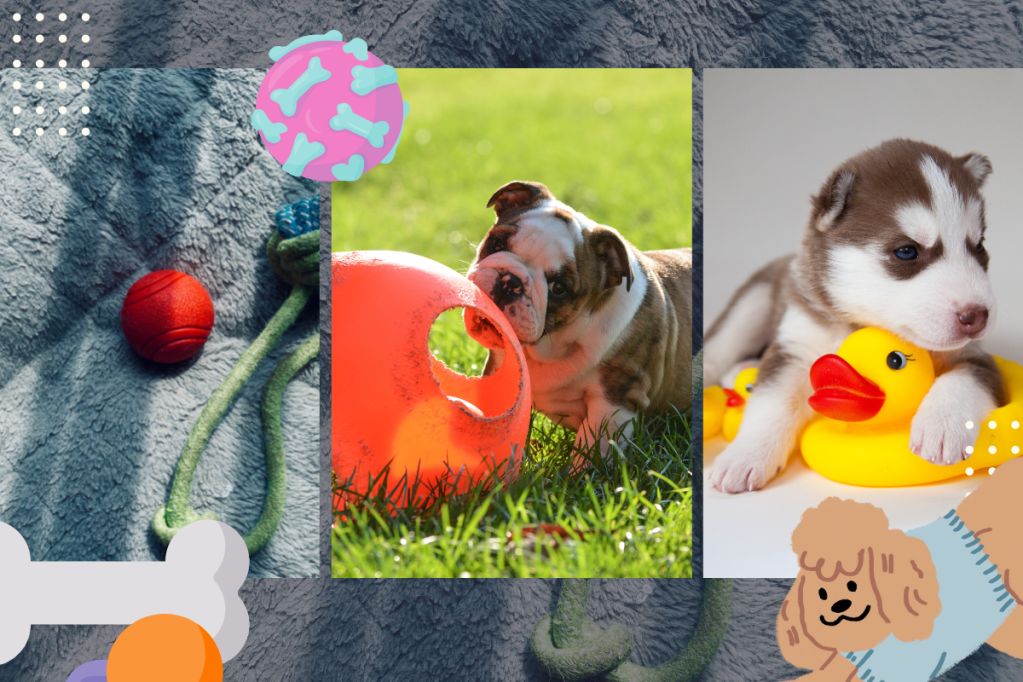
Puppy toys are an essential item for any new dog owner. Not only do they provide entertainment and stimulation for your furry friend, but they can also help with training and encourage positive behavior. When choosing toys for your puppy, there are a few things to consider.
Firstly, it is important to consider the age and size of your puppy. Young puppies have small mouths and may not be able to handle large toys or toys with small parts. It is important to choose toys that are appropriate for their age and size to prevent any choking hazards or accidents.
Another factor to consider when choosing puppy toys is the material they are made of. Puppies are notorious for chewing on everything in sight, and some toys may not be suitable for their sharp little teeth. Look for toys made from durable materials such as rubber or nylon, as these are less likely to break apart and cause harm.
In addition to durability, you may also want to consider toys that have additional benefits for your puppy’s health and well-being. For example, toys that are designed to clean your puppy’s teeth or provide mental stimulation can be particularly beneficial.
Finally, it is important to consider your puppy’s individual preferences when choosing toys. Some puppies may prefer soft toys to chew on, while others may enjoy toys that make noise or have different textures.
Overall, puppy toys are an important investment for any new dog owner. By considering your puppy’s age, size, and individual preferences, you can find toys that will provide entertainment, stimulation, and help with training while also promoting good health and well-being.
There are different types of puppy toys available on the market.
One popular type of puppy toy is the chew toy. Chew toys are designed to satisfy a puppy’s natural urge to chew and can help alleviate teething pain. They come in a variety of shapes and sizes, including bones, ropes, and balls. Some chew toys are also designed to clean a puppy’s teeth while they chew, promoting good dental health.
Another popular type of puppy toy is the squeaky toy. These toys are designed to make noise when squeezed or bitten, providing entertainment and stimulation for your puppy. However, it is important to supervise your puppy when playing with squeaky toys, as the noise can be overwhelming for some puppies and may cause anxiety or overstimulation.
Puzzle toys are another great option for puppies. These toys are designed to challenge a puppy’s mental abilities and encourage problem-solving skills. Puzzle toys come in a variety of shapes and sizes and may include hidden treats or compartments that your puppy needs to figure out how to access.
Interactive toys are also a great choice for puppies. These toys require human interaction to use and can be a great bonding activity for you and your furry friend. Some examples of interactive toys include fetch toys and tug toys.
When choosing puppy toys, it is important to consider safety above all else. Always supervise your puppy when playing with toys and remove any that become damaged or pose a choking hazard. With a little bit of research and consideration, you can find the perfect toys to keep your puppy happy, healthy, and entertained.
Additional factors to consider when choosing puppy toys
One important consideration is the level of activity and energy your puppy has. Some puppies are naturally more active and require toys that will keep them entertained and stimulated for longer periods of time. Others may be more laid-back and prefer toys that are less demanding.
It is also important to consider the purpose of the toy. For example, if you are looking for a toy to use during training, you may want to choose one that can be easily manipulated or that has a specific scent or texture to help your puppy associate it with a particular behavior.
The cost of the toy is another factor to consider. While it may be tempting to opt for the cheapest toy on the shelf, it is important to invest in high-quality toys that will last and be safe for your puppy to use. Low-quality toys may break apart easily, posing a choking hazard, or contain harmful chemicals that could be dangerous for your puppy.
Finally, it is important to consider the interests and preferences of your puppy. Just like humans, each puppy has its own unique personality and preferences. Some may prefer soft toys that they can cuddle with, while others may prefer toys that are more challenging or interactive.
In summary, when choosing puppy toys, it is important to consider your puppy’s activity level, the purpose of the toy, the cost, and your puppy’s individual interests and preferences. By taking the time to choose the right toys, you can help to keep your puppy happy, healthy, and entertained for hours on end.
Tips for choosing the right puppy toys
Firstly, consider the safety of the toy. Look for toys that are made from durable materials and are free from small parts that could pose a choking hazard. If you are unsure whether a toy is safe for your puppy, consult with your veterinarian or a pet store associate for guidance.
Secondly, consider the size and age of your puppy when choosing toys. Young puppies may not be able to handle large toys or toys with small parts, while larger puppies may need more robust toys that can withstand their stronger jaws. Make sure to choose toys that are appropriate for your puppy’s size and age to ensure their safety and prevent accidents.
Thirdly, consider the purpose of the toy. If you are looking for toys to use during training, look for toys that can be easily manipulated and have a distinct scent or texture that your puppy can associate with a particular behavior. If you are looking for toys to help alleviate teething pain, look for toys that are designed to be chewed on.
Fourthly, consider the interests and preferences of your puppy. Some puppies may prefer soft toys that they can cuddle with, while others may prefer toys that are more challenging or interactive. Observe your puppy’s behavior and play preferences to determine what types of toys they enjoy the most.
When introducing your puppy to a new toy, it is important to supervise them during playtime. This will not only ensure their safety but also allow you to observe their behavior and assess whether the toy is a good fit for them. If you notice that your puppy is not interested in a particular toy, try introducing different types of toys until you find one that they enjoy.
It is also important to rotate your puppy’s toys regularly. This will help to keep them engaged and interested in their toys and prevent boredom. You can switch out your puppy’s toys every few days or once a week, depending on what he or she likes and how they act.
Along with picking the right toys, it’s important to keep them clean and in good shape. Clean toys regularly to prevent the buildup of bacteria and germs. Soft toys can be washed in the washing machine, while hard toys can be washed with soap and water. Discard any toys that are damaged, worn out, or have small parts that could pose a choking hazard.
Lastly, consider the quality and cost of the toy. While it may be tempting to opt for cheaper toys, investing in high-quality toys that will last and be safe for your puppy to use is important. Low-quality toys might fall apart easily, which could be dangerous for your puppy, and they might not be as fun or stimulating as better-quality toys.
In the end, it’s important to think carefully about safety, size and age-appropriateness, purpose, preferences, quality, cost, and how much the toy will cost. By taking the time to choose the right toys, you can provide your puppy with hours of entertainment and stimulation and promote positive behavior and overall well-being.
 Hey Singapore