
As travelers, one of the most important aspects of our journey is to ensure that we pack our bags efficiently. The last thing we want is to be stuck with heavy, disorganized bags that make our trip cumbersome. To make sure that your travel plans are smooth sailing, we present to you a comprehensive guide on how to pack your bags like a pro. Visit How to Organize Your Bags.
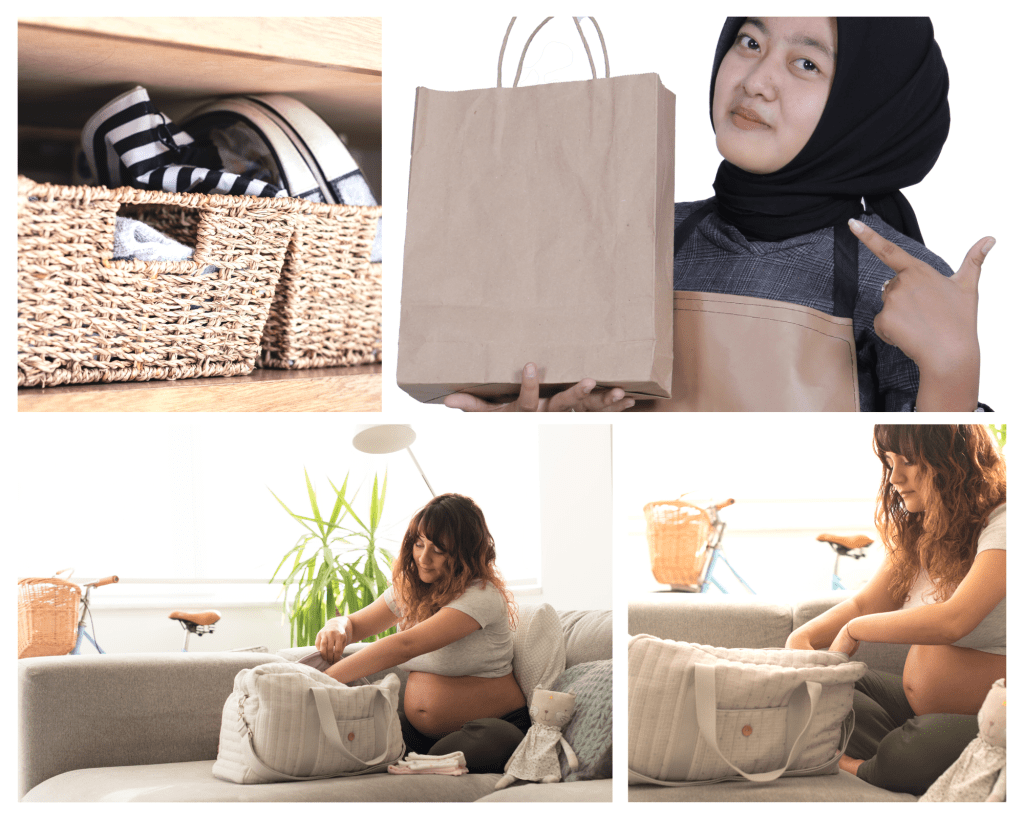
Section 1: Assess Your Needs
Before you start packing, it is important to assess your needs. Think about the purpose of your trip, the length of your stay, the climate of your destination, and the activities you will be engaging in. For instance, if you are traveling to a tropical location, you may need to pack light, breathable clothing, whereas if you are visiting a cold destination, you may need to pack heavier clothing to stay warm.
Section 2: Choose Your Bag
Choosing the right bag is crucial to ensure that you have a hassle-free travel experience. There are several types of bags available in the market, including backpacks, duffel bags, and suitcases. Consider the amount of stuff you need to carry and choose a bag that is comfortable to carry and fits your needs. For example, if you are traveling for a short period and need to carry a limited number of items, a backpack may be sufficient. If you are traveling with your family and need to carry a lot of stuff, a suitcase or duffel bag may be more appropriate.
Section 3: Organize Your Items
Once you have chosen the right bag, it’s time to start packing. Start by organizing your items into categories, such as clothing, toiletries, gadgets, and documents. This will help you to pack your bag in an organized manner and save space.
Section 4: Use Packing Cubes
Packing cubes are a great way to organize your luggage and make packing a breeze. They are lightweight, durable, and come in different sizes and shapes, making them perfect for packing different types of items. Use packing cubes to compartmentalize your luggage and keep your items organized.
Section 5: Roll Your Clothes
One of the best packing hacks is to roll your clothes instead of folding them. This not only saves space but also helps to minimize wrinkles. Roll your clothes tightly and pack them in packing cubes or directly in your bag.
Section 6: Utilize Every Nook and Cranny
To maximize space, utilize every nook and cranny of your bag. Pack smaller items, such as socks and underwear, in shoes or any other empty space in your bag. You can also use compression bags to reduce the size of bulky items, such as jackets or sweaters.
Section 7: Keep Your Valuables Safe
When traveling, it’s essential to keep your valuables safe. Use a small bag or pouch to keep your documents, wallet, and other important items together. You can also use a travel lock to secure your bag and prevent theft.
Section 8: Pack a First-Aid Kit
No matter where you travel, it’s always a good idea to pack a first-aid kit. This should include basic medicines, band-aids, antiseptics, and any prescription medications you may need.
Section 9: Don’t Forget Your Electronics
In this digital age, it’s hard to imagine traveling without our electronics. Make sure to pack your gadgets, including your phone, charger, camera, and any other electronic devices you may need. To keep your electronics safe, use a separate pouch or compartment in your bag.
Section 10: Pack Your Toiletries Separately
Toiletries are an essential part of our travel gear. Pack your toiletries separately from your clothes to avoid any spills or leaks. You can use a toiletry bag or a waterproof pouch to keep your toiletries organized and secure. Remember to pack only the essentials, such as toothbrush, toothpaste, shampoo, conditioner, and soap.
Section 11: Consider Packing Light
Packing light not only saves space but also makes your travel experience more comfortable. Consider leaving non-essential items behind, such as extra shoes, bulky jackets, or books. You can also pack multi-purpose items, such as a sarong that can be used as a beach cover-up or a blanket on the plane.
Section 12: Be Mindful of Airline Restrictions
Before you start packing, check the airline restrictions on baggage size, weight, and number of bags allowed. Airlines have different policies, so make sure to check the guidelines for your specific airline. This will save you time and money at the airport and ensure that your bags comply with the regulations.
Section 13: Pack a Reusable Bag
A reusable bag is a great item to pack in your luggage. You can use it for shopping, carrying souvenirs, or as an extra bag if you need more space. A reusable bag is also an eco-friendly alternative to plastic bags and helps to reduce waste.
Section 14: Keep Your Bag Organized During Travel
Once you have packed your bags, it’s important to keep them organized during travel. Use packing cubes to keep your items in place and prevent them from shifting around. You can also use compression straps or packing cubes with compression zippers to keep your bags compact and organized.
Section 15: Unpack and Reorganize at Your Destination
When you reach your destination, take some time to unpack and reorganize your bags. This will help you to find what you need easily and avoid the frustration of searching through a disorganized bag. Use drawers or shelves in your accommodation to keep your items organized and accessible.
Section 16: Pack a Travel Pillow
A travel pillow is an essential item for any long journey. It provides support for your neck and head, allowing you to sleep comfortably on a plane or train. Choose a pillow that is lightweight, compact, and easy to carry in your luggage.
Section 17: Use Vacuum Bags for Bulky Items
If you need to pack bulky items, such as winter coats or blankets, consider using vacuum bags. These bags compress your items, reducing their size and saving space in your luggage. Vacuum bags are also waterproof, protecting your items from moisture and dust.
Section 18: Pack Snacks for the Journey
Pack some snacks for the journey to keep hunger at bay and save money on expensive airport or train station food. Choose non-perishable items, such as nuts, dried fruit, or granola bars. You can also bring an empty water bottle to fill up after security.
Section 19: Label Your Luggage
To avoid losing your luggage, label it with your name, phone number, and address. You can use a luggage tag or write the information directly on your bag with a permanent marker. This will help to identify your luggage if it gets misplaced or lost.
Section 20: Use Packing Lists
Creating a packing list before you start packing can help you to stay organized and avoid forgetting essential items. Make a list of everything you need to pack, including clothing, toiletries, gadgets, and documents. You can also use a travel checklist app to keep track of your items.
Section 21: Consider Shipping Items
If you need to pack bulky or heavy items, consider shipping them to your destination instead of carrying them in your luggage. This can be a cost-effective and hassle-free option, especially if you are traveling long-term or with a lot of gear.
Section 22: Pack a Travel Iron or Steamer
If you need to keep your clothes looking fresh and wrinkle-free, pack a travel iron or steamer. These compact devices are easy to pack and can help you to look your best during your travels.
Section 23: Pack a Travel Umbrella
A travel umbrella is a must-have item for any trip. It can protect you from rain or sun and is compact enough to fit in your bag. Choose a sturdy, wind-resistant umbrella that can withstand harsh weather conditions.
Section 24: Pack a Portable Charger
In this age of technology, a portable charger is an essential item for any traveler. It allows you to charge your phone, tablet, or other devices on the go, ensuring that you stay connected during your travels.
Section 25: Use the Inside of Your Shoes for Storage
The inside of your shoes can be a great place to store small items, such as jewelry or socks. Roll up your socks or tuck in your jewelry and place them inside your shoes. This saves space and keeps your items organized.
By following these additional tips, you can pack your bags with even more efficiency and organization. Happy travels!
Conclusion
Organizing your bags may seem like a daunting task, but with the right approach, it can be a breeze. Assess your needs, choose the right bag, organize your items, and pack them efficiently. Use packing cubes, roll your clothes, and utilize every nook and cranny of your bag. Keep your valuables safe, pack a first-aid kit, and don’t forget your electronics and toiletries. Consider packing light, be mindful of airline restrictions, and pack a reusable bag. Finally, keep your bag organized during travel and unpack and reorganize at your destination. With these tips, you’ll be packing like a pro in no time. Happy travels!
 Hey Singapore