
Cheese boards are a popular way to entertain guests or to simply enjoy a snack. They can be customized to suit any occasion and are easy to assemble. Cheese boards are a great way to showcase a variety of flavors and textures and can be a great conversation starter.
Cheese boards are a great way to get creative in the kitchen. From the types of cheeses and accompaniments, to the presentation and presentation of the board, there are endless possibilities. From a simple cheese and cracker pairing to a fully loaded charcuterie board, cheese boards can be tailored to any taste.
In this article, we will explore the different components of a cheese board, especially wood boards, the different types of cheeses and accompaniments that can be used, and tips for assembling an impressive cheese board. We will also discuss the different types of cheese boards and the best ways to serve them.
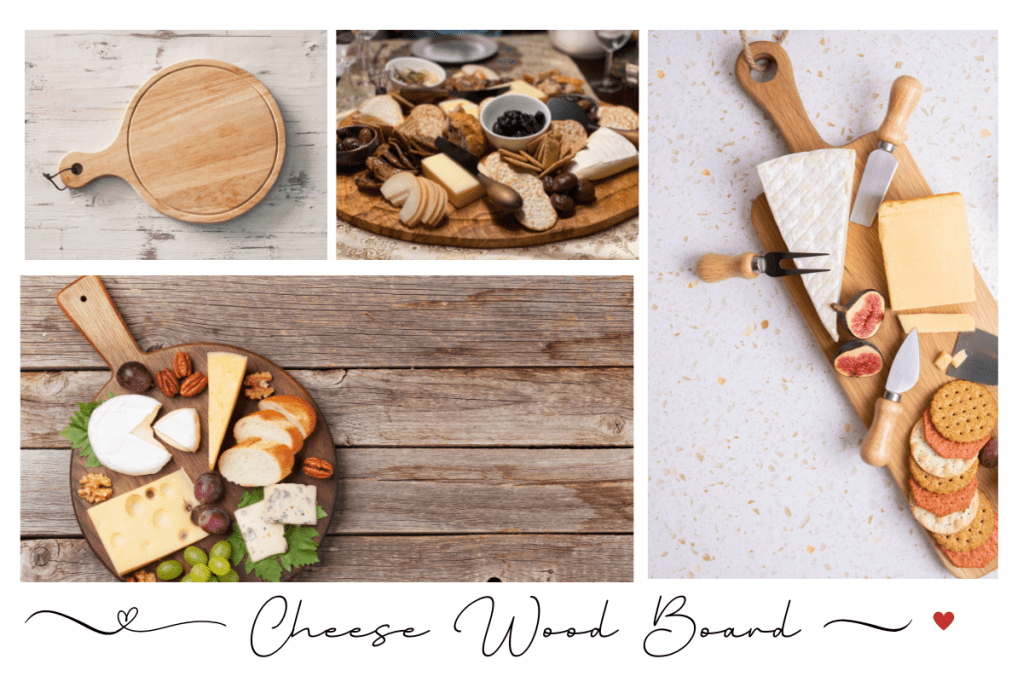
Types of Cheese Boards
When it comes to cheese boards, there are several types to choose from. The most common type is a wood board, which is typically made of bamboo, acacia, or maple. Wooden boards are ideal for displaying a variety of cheeses and other accompaniments, as they are large and sturdy. They can also be used for cutting and serving cheese.
Another type of cheese board is a slate board. These boards are made from a thin piece of slate, and they are perfect for serving cheese and other accompaniments. Slate boards are often decorated with chalkboard markers, which can be used to label the cheeses and other items on the board. These boards are also easy to clean and maintain.
Finally, there are cheese boards made from ceramic. These boards are ideal for serving cheese and other accompaniments, as they are attractive and durable. Ceramic boards are often decorated with colorful designs, which can add a touch of style to a cheese board. They are also easy to clean and maintain.
Choosing the Right Cheese Board
When selecting a cheese board for your home, there are a few factors to consider. First, think about the size and shape of the board. If you plan to entertain a large group, you may want to opt for a larger board, while a smaller board may be more suitable for a small gathering. Additionally, consider the materials used to make the board. Wooden boards are the most popular choice, but there are also boards made of marble, slate, and glass.
When it comes to selecting cheeses, there are many factors to consider. Think about the flavor profile you’d like to achieve. Do you want a variety of flavors, or would you prefer to focus on a single type of cheese? Additionally, consider the texture of the cheese. Hard cheeses, such as cheddar and Parmesan, are great for slicing and cubing, while softer cheeses, such as Brie and Camembert, are ideal for spreading.
Finally, think about the presentation of the board. Consider the colors, shapes, and sizes of the cheeses you’ve chosen, and arrange them in an aesthetically pleasing way. You can also add accompaniments, such as crackers, nuts, and fresh fruit, to create a visually stunning cheese board.
Serving Tips
When serving a cheese board, it’s important to keep a few things in mind. First, make sure to provide a variety of items to pair with the cheese. This can include crackers, breads, fruits, nuts, and other accompaniments. Secondly, be sure to provide a range of textures and flavors to create an interesting and well-rounded cheese plate. Finally, make sure to provide a few knives for cutting the cheese and spreading accompaniments.
When arranging the cheese board, it’s important to keep the presentation in mind. Start by arranging the cheeses in the center of the board. Then, arrange the accompaniments around the cheeses. Lastly, add a few sprigs of fresh herbs or edible flowers for a decorative touch. If serving several different types of cheese, make sure to label each one.
When it comes to portion sizes, it’s important to keep in mind that a little cheese can go a long way. Aim to provide about one ounce of cheese per person. This will ensure that everyone has enough to enjoy, without having leftovers.
Cleaning and Storing Cheese Boards
Cheese boards should be cleaned after each use, as cheese and other food particles can cause bacteria to grow. To clean, use a soft cloth and warm, soapy water. Do not submerge the board in water. Dry with a soft cloth and store in a cool, dry place. Cheese boards should not be placed in the dishwasher.
Cheese boards should be stored in a cool, dry place. If the board is made of wood, it is best to store it away from direct sunlight, as this can cause the wood to warp or crack. Cheese boards can be stored in a kitchen drawer or cupboard. Alternatively, they can be hung on a wall using hooks or nails.
Cheese boards should be oiled occasionally to keep them in good condition. Use a food-grade oil, such as mineral oil, and rub it into the board using a soft cloth. This will help protect the wood and keep it looking its best.
Conclusion
Cheese boards are a great way to bring a touch of elegance to any gathering. They are versatile and easy to customize, making them a great choice for any occasion. With a few simple ingredients and a few creative touches, you can create a cheese board that is sure to be a hit. Cheese boards are also an affordable way to add a bit of sophistication to any event.
When creating a cheese board, it is important to consider the type of cheeses, accompaniments, and presentation. Selecting a variety of cheeses, accompaniments, and presentation elements can help create a unique and memorable experience. With a few simple tips, you can create a cheese board that is sure to be a hit with your guests.
Cheese boards are a great way to add a touch of class to any event. With a little creativity and some careful planning, you can create a cheese board that is sure to be a hit. Whether you are hosting a casual gathering or a formal event, a cheese board can help make the occasion special and memorable.
Sustainability and Style: The Benefits of Using Wood Cheese Boards
When it comes to serving cheese, nothing beats the elegance and charm of a well-made wood cheese board. Not only do they provide a beautiful backdrop for showcasing your favorite cheeses, but they also offer numerous benefits over other types of cheese boards.
One of the most significant benefits of wood cheese boards is their sustainability. Unlike plastic or glass cheese boards, which can take hundreds of years to decompose, wood cheese boards are made from renewable resources and are biodegradable. This means that they are not only better for the environment, but they also help reduce waste and promote sustainability.
Another benefit of wood cheese boards is their durability. Unlike plastic or glass boards, which can scratch or break easily, wood cheese boards are sturdy and can withstand the wear and tear of regular use. Additionally, wood boards develop a beautiful patina over time, adding to their charm and character.
Not only are wood cheese boards sustainable and durable, but they also offer a variety of styles and designs to choose from. Whether you prefer a rustic look or a sleek and modern design, there is a wood cheese board to suit your taste. Some popular wood types used for cheese boards include bamboo, acacia, and walnut, each with its own unique look and feel.
In addition to their practical benefits, wood cheese boards also add an element of style and sophistication to any cheese board presentation. Their natural beauty and warmth make them a popular choice for entertaining guests or simply enjoying a quiet night in with your favorite cheeses.
When selecting a wood cheese board, there are a few things to keep in mind. First, consider the size of the board, as well as the size and shape of the compartments for holding cheese and accompaniments. Additionally, look for a board that is easy to clean and maintain, as well as one that is compatible with your other serving pieces.
In conclusion, if you’re looking for a sustainable, durable, and stylish option for serving cheese, a wood cheese board is the way to go. With their natural beauty and variety of designs, they are sure to impress your guests and add a touch of sophistication to any cheese board presentation.
How to Care for Your Wood Cheese Boards: Tips and Tricks for Longevity
Wooden cheese boards are a must-have for any cheese lover. Not only are they practical and versatile, but they also add a touch of warmth and elegance to any table setting. However, like any other kitchen tool, wooden cheese boards require proper care and maintenance to last for years. In this article, we’ll discuss some tips and tricks to help you care for your wood cheese boards and ensure their longevity.
- Clean your board after each use
One of the most important things you can do to ensure the longevity of your wooden cheese board is to clean it after each use. Use a damp cloth or sponge and mild dish soap to clean the surface of the board, then rinse it thoroughly with warm water. Avoid using abrasive sponges or harsh detergents, as they can damage the wood fibers.
- Dry your board thoroughly
After washing your wooden cheese board, make sure to dry it thoroughly. Use a clean, dry cloth or paper towel to remove any excess water from the surface and allow the board to air dry completely before storing it. Moisture can penetrate the wood fibers and cause warping, cracking, and other damage, so it’s important to keep your board as dry as possible.
- Oil your board regularly
Another important step in caring for your wooden cheese board is to oil it regularly. Food-grade mineral oil or beeswax are both excellent options for conditioning and protecting the wood. Apply a thin layer of oil or wax to the surface of the board using a clean cloth or paper towel, then allow it to soak in for several hours or overnight before wiping off any excess. Oiling your board regularly helps to keep the wood fibers from drying out, which can lead to cracking and splitting.
- Store your board properly
When not in use, store your wooden cheese board in a cool, dry place away from direct sunlight and heat sources. Avoid stacking heavy objects on top of it or storing it in a humid environment, as this can cause warping and other damage. If possible, store your board on its edge or on a rack to allow air to circulate around it.
- Avoid exposing your board to extreme temperatures
Wooden cheese boards are sensitive to temperature changes, so it’s important to avoid exposing them to extreme heat or cold. Avoid placing hot pots or pans directly on the board, and never put it in the microwave or dishwasher. Similarly, avoid exposing the board to freezing temperatures, as this can cause cracking and splitting.

