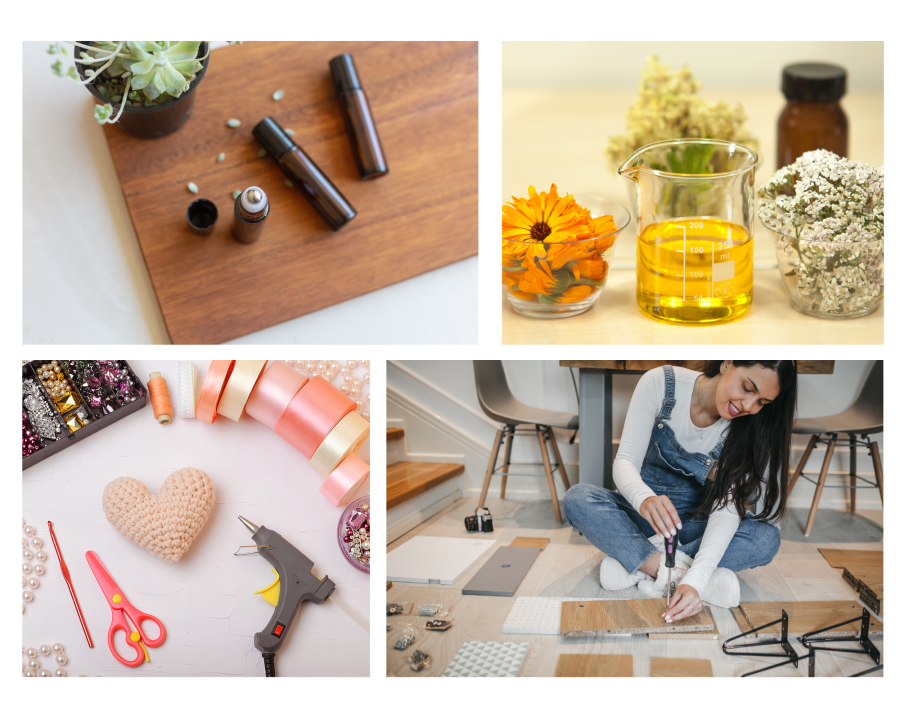
Are you one of those people who feel a sense of satisfaction after completing a project with your own hands? Does the idea of creating something unique and personalized excite you? If yes, then you’re in the right place. DIY, or “do-it-yourself,” is an excellent way to express your creativity and make something unique that reflects your personality. However, like any other hobby, DIY requires a certain set of tools and essentials to make the process smoother and more enjoyable. In this article, we’ll explore some of the must-have DIY essentials that every crafting enthusiast should have.
Tools of the Trade:
When it comes to DIY, having the right tools can make all the difference. The following are some of the tools that every DIY enthusiast should have in their toolkit.
- Glue Gun: A glue gun is a versatile tool that can be used for a wide range of DIY projects, from home decor to fashion accessories. The hot glue dries quickly and creates a strong bond, making it ideal for both permanent and temporary projects.
- Scissors: Scissors are a basic but essential tool that every DIY enthusiast should have. From cutting fabric to paper, scissors are versatile and can be used for a variety of tasks. However, it’s important to invest in a good pair of scissors that are sharp and durable.
- Cutting Mat: A cutting mat is an essential tool for anyone who enjoys cutting and trimming paper, fabric, or other materials. The mat helps protect your work surface and provides a smooth surface for cutting. It’s available in various sizes and can be used with a rotary cutter or a craft knife.
- Pliers: Pliers are a versatile tool that can be used for a range of DIY projects, from jewelry making to home repair. There are several types of pliers available, including needle-nose, flat-nose, and wire-cutting pliers, among others.
- Sewing Machine: A sewing machine is a must-have tool for anyone who loves to sew. It’s a quick and efficient way to create custom clothing, home decor, and accessories. However, it’s important to choose a sewing machine that suits your needs and skill level.
Materials:
In addition to tools, there are several materials that every DIY enthusiast should have on hand. These materials can be used for a range of projects and can help bring your creative ideas to life.
- Paint: Paint is a versatile material that can be used for a range of DIY projects, from home decor to furniture makeovers. There are several types of paint available, including acrylic, oil, and spray paint, among others.
- Yarn: Yarn is an essential material for anyone who enjoys knitting or crocheting. It’s available in various colors and textures, making it ideal for creating custom clothing, accessories, and home decor.
- Beads: Beads are a popular material for jewelry making and can also be used for other DIY projects. There are several types of beads available, including glass, plastic, and wooden beads, among others.
- Fabric: Fabric is an essential material for anyone who enjoys sewing or creating custom clothing and home decor. It’s available in various colors, textures, and patterns, making it easy to find the perfect fabric for your project.
- Paper: Paper is a versatile material that can be used for a range of DIY projects, from scrapbooking to card making. There are several types of paper available, including cardstock, scrapbook paper, and tissue paper, among others.
Storage and Organization
One of the challenges of DIY is managing all of the tools, materials, and projects in progress. Here are some storage and organization essentials to help keep your workspace tidy and efficient.
- Storage Containers: Storage containers are a must-have for any DIY enthusiast. They come in various sizes and can be used to store everything from small beads to large fabric bolts. Choose containers with secure lids to prevent spills and keep your materials dust-free.
- Tool Box: A tool box is a convenient way to store all of your tools in one place. It can be easily transported and provides easy access to your tools while you work. Look for a sturdy box with compartments for smaller items and a handle for easy carrying.
- Shelving: Shelving is an excellent way to keep your workspace organized and maximize storage space. It’s available in various sizes and materials, including metal, wood, and plastic. Consider installing shelves above your workspace to keep your tools and materials within reach.
- Pegboard: Pegboard is a versatile and customizable storage solution for your tools. It allows you to hang your tools on hooks or shelves, making them easily accessible while keeping your workspace clutter-free. Pegboard is available in various sizes and can be easily mounted on a wall.
- Label Maker: A label maker is an excellent tool for organizing your materials and tools. It allows you to create labels for containers, shelves, and drawers, making it easy to find what you need quickly. Look for a label maker with a variety of fonts and sizes to suit your labeling needs.
Safety Essentials
When working with tools and materials, safety should always be a top priority. Here are some safety essentials that every DIY enthusiast should have.
- Safety Glasses: Safety glasses are essential for protecting your eyes from flying debris, dust, and other hazards. Choose glasses that fit securely and comfortably and meet the safety standards for your particular project.
- Gloves: Gloves are a must-have for protecting your hands from cuts, burns, and other injuries. Choose gloves made from durable and heat-resistant materials that fit your hands snugly.
- Dust Mask: A dust mask is essential for protecting your lungs from dust, fumes, and other airborne particles. Choose a mask that fits securely and comfortably and is rated for the type of material you’re working with.
- Fire Extinguisher: A fire extinguisher is an essential safety item for any workspace. Make sure it’s easily accessible and fully charged, and know how to use it properly in case of an emergency.
- First Aid Kit: Accidents can happen, even in the safest work environments. Keep a fully stocked first aid kit on hand that includes bandages, antiseptics, and other basic medical supplies.
Inspiration Sources
Finding inspiration for your next DIY project can be challenging at times. Here are some inspiration sources that can help kickstart your creativity.
- Pinterest: Pinterest is a popular social media platform that allows users to discover and save ideas on various topics, including DIY projects. You can find a wide range of DIY ideas and tutorials on Pinterest, and save them to your boards for future reference.
- YouTube: YouTube is an excellent source of DIY tutorials and inspiration. From home decor to fashion accessories, you can find a tutorial for almost anything on YouTube. You can also subscribe to your favorite channels to get regular updates on new DIY projects and ideas.
- Instagram: Instagram is another popular social media platform that’s filled with creative ideas and inspiration. You can follow DIY influencers and bloggers who share their projects and ideas, and save them to your collections for future reference.
- Craft Stores: Craft stores are a great place to find inspiration for your next project. You can browse the aisles and check out the latest materials and tools, or attend workshops and events to learn new techniques and get inspiration from other DIY enthusiasts.
- Nature: Nature is an excellent source of inspiration for DIY projects. You can take a walk in the park or hike in the woods and gather materials such as leaves, twigs, and flowers, and use them in your projects.
Tips and Tricks for DIY Success
DIY projects can be challenging, but they’re also rewarding and fun. Here are some tips and tricks to help you succeed in your DIY projects.
- Plan Ahead: Before starting any DIY project, make sure you have a clear idea of what you want to achieve and create a plan. List out all the materials you’ll need and the steps involved in the project. Having a plan in place can save you time and frustration later on.
- Start Small: If you’re new to DIY, start with small projects that are easy to complete. This can help you build confidence and gain experience before tackling more complex projects.
- Take Breaks: DIY projects can be time-consuming and can put a strain on your eyes and hands. Remember to take frequent breaks to avoid burnout and fatigue.
- Use Quality Materials: Quality materials can make a significant difference in the outcome of your project. Invest in good-quality tools and materials to ensure the durability and longevity of your creations.
- Don’t Be Afraid to Ask for Help: If you’re unsure about a particular step or need guidance, don’t hesitate to ask for help. You can consult online forums, tutorial videos, or even seek the advice of a professional.
Conclusion:
DIY projects are an excellent way to express your creativity and make something unique. With these tips and tricks, you can increase your chances of success and enjoy the process of creating. Remember to plan ahead, start small, take breaks, use quality materials, and seek help when needed. Happy crafting!

