
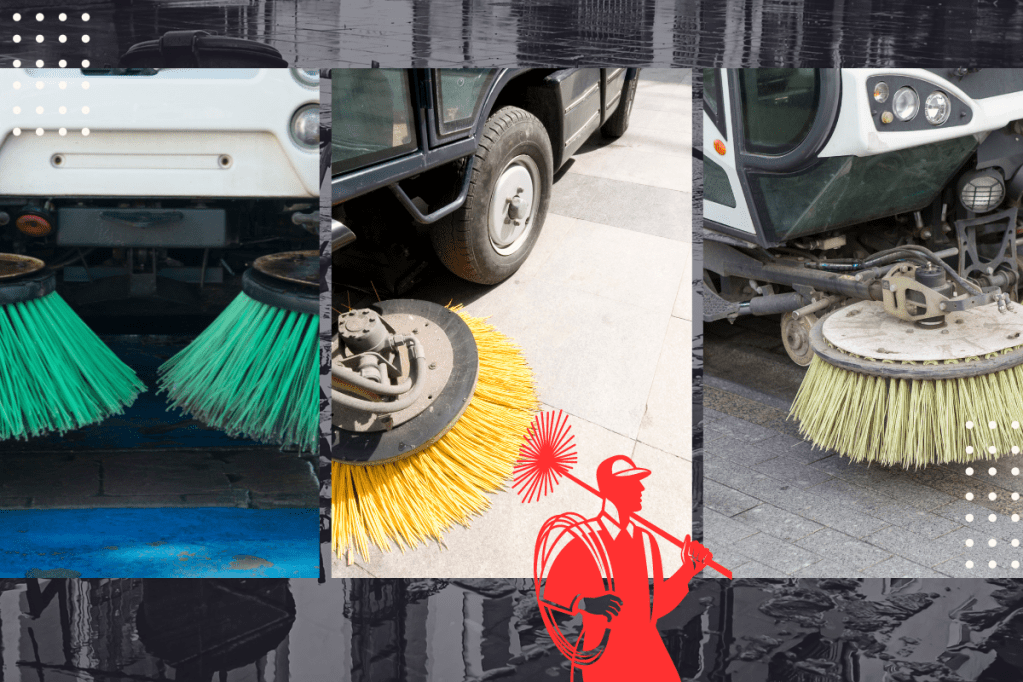
A “water sweeper” is a type of cleaning tool that is specifically designed to remove water from floors, such as after a spill or flooding. Water sweepers, also known as water push brooms or water squeegees, typically feature a long handle with a rubber or foam blade attached to the end.
To use a water sweeper, you would first remove any standing water from the area with a mop or towel. Then, you would use the water sweeper to push the remaining water towards a drain or another area where it can be safely disposed of. Water sweepers are commonly used in commercial kitchens, food service areas, and other spaces where spills are common.
When choosing a water sweeper, it’s important to consider the size of the blade and the length of the handle. Larger blades are better for cleaning larger areas, while shorter handles are more maneuverable in tight spaces. Some water sweepers also feature adjustable handles, allowing you to customize the length to your specific needs.
In addition to traditional water sweepers, there are also electric water sweepers available that use suction to remove water from floors. These machines are more expensive than manual water sweepers, but they can be more efficient for cleaning large areas.
Overall, water sweepers are an important tool for maintaining cleanliness and safety in areas where water spills and flooding may occur. By choosing the right water sweeper for your needs, you can ensure that your floors remain clean, dry, and safe for everyone who uses them.
Water sweepers are particularly useful in areas where excess water can pose a safety hazard or lead to damage. For example, in a commercial kitchen, water on the floor can cause slip-and-fall accidents for employees or customers. In a basement that has flooded, excess water can lead to mold growth or damage to flooring and walls.
Water sweepers are also a valuable tool for cleaning up after a natural disaster, such as a hurricane or flood. In these situations, water can quickly accumulate in buildings and cause extensive damage. Using a water sweeper can help to remove the water quickly and prevent further damage to the building and its contents.
When using a water sweeper, it’s important to follow proper safety procedures. Always wear appropriate footwear with good traction to avoid slipping on wet surfaces. It’s also important to be aware of any electrical hazards in the area, particularly if you’re using an electric water sweeper.
In summary, water sweepers are a specialized type of cleaning tool that are designed to remove water from floors quickly and efficiently. They are particularly useful in areas where excess water can pose a safety hazard or lead to damage. By using the right water sweeper for your needs and following proper safety procedures, you can ensure that your floors remain clean, dry, and safe for everyone who uses them.
There are several factors to consider when choosing the right water sweeper for your needs. One of the most important is the type of blade that the sweeper uses. Blades can be made from a variety of materials, including rubber, foam, and neoprene. Rubber blades are the most common and are suitable for most applications. Foam blades are softer and are useful for delicate surfaces like hardwood floors, while neoprene blades are more durable and resistant to chemicals.
Another important consideration when choosing a water sweeper is the length of the handle. Water sweepers typically come with handles that are between 30 and 60 inches long. Longer handles are better for cleaning larger areas, but shorter handles are more maneuverable in tight spaces. Some water sweepers also feature telescoping handles that can be adjusted to different lengths.
In addition to blade material and handle length, other features to consider when choosing a water sweeper include the size and shape of the blade, as well as any additional attachments or accessories that may be included. For example, some water sweepers may come with interchangeable blades or brush attachments for cleaning different types of surfaces.
It’s also important to consider the durability and quality of the water sweeper. Look for a model that is made from high-quality materials and is built to withstand frequent use. Check reviews and ratings from other users to get an idea of the sweeper’s performance and reliability.
In summary, when choosing a water sweeper, consider factors like blade material, handle length, blade size and shape, and overall quality and durability. By selecting the right water sweeper for your needs and taking proper safety precautions, you can ensure that your floors remain clean, dry, and safe for everyone who uses them.
Proper maintenance and care can also help to extend the life of your water sweeper and ensure that it continues to perform effectively. After each use, rinse the blade with clean water and allow it to air dry. If the blade becomes dirty or stained, you may need to clean it more thoroughly with soap and water or a specialized cleaning solution.
Regularly inspect the sweeper for any signs of damage or wear, such as cracks or tears in the blade or handle. Replace any damaged parts as needed to prevent further damage or reduce the effectiveness of the sweeper.
Store the water sweeper in a clean, dry area where it will not be exposed to extreme temperatures or direct sunlight. This will help to prevent damage to the blade or handle, as well as any metal components.
In addition to proper maintenance, using the right technique can also help to improve the effectiveness of your water sweeper. When using the sweeper, start at one end of the area you’re cleaning and work your way towards the other end, pushing the water in front of you as you go. Apply even pressure to the blade to ensure that it effectively removes all of the water from the surface.
In summary, proper maintenance and care, as well as using the right technique, can help to extend the life of your water sweeper and ensure that it performs effectively. By following these tips and selecting the right water sweeper for your needs, you can keep your floors clean, dry, and safe for everyone who uses them.
It’s important to note that water sweepers are not suitable for all types of surfaces. For example, they may not be effective on carpeted areas, as the blades can get caught in the fibers and cause damage. It’s important to read the manufacturer’s instructions and guidelines before using a water sweeper to ensure that you’re using it on the appropriate surfaces.
When cleaning up water with a water sweeper, it’s also important to consider the source of the water. If the water is contaminated or has come into contact with chemicals or other hazardous materials, it may not be safe to use a water sweeper. In these situations, it’s important to contact a professional cleaning service that has the expertise and equipment to safely and effectively clean up the water.
Finally, it’s important to consider the environmental impact of using a water sweeper. Some models may use more water than necessary or may not be designed for efficient water usage. Look for models that are designed to minimize water usage or that have features like built-in water recovery systems that can help to reduce water waste.
In summary, while water sweepers are a valuable tool for cleaning up excess water, it’s important to use them safely and effectively. Be sure to select the right water sweeper for your needs, use proper maintenance and care, and follow manufacturer’s guidelines and safety precautions. By doing so, you can ensure that your floors remain clean, dry, and safe for everyone who uses them, while also minimizing water waste and environmental impact.

