
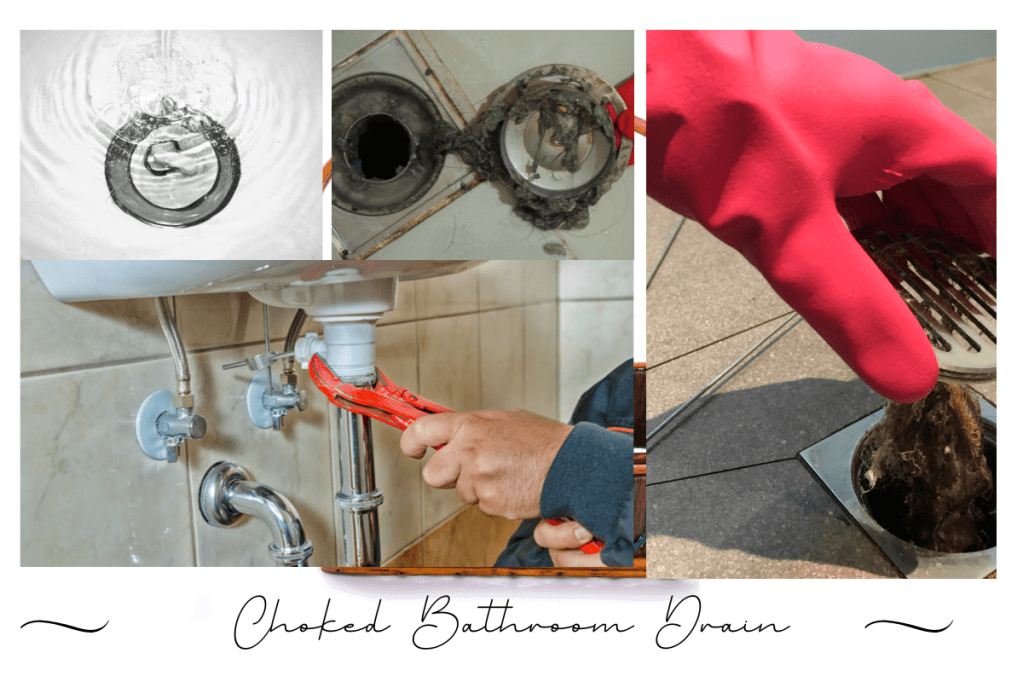
Introduction A clogged or choked bathroom drain is one of the most common plumbing problems homeowners face. The problem is not only frustrating but can also cause significant damage to your bathroom if left unattended. A bathroom drain can become clogged due to various reasons, including hair, soap, and other debris. In this article, we will discuss the causes of a choked bathroom drain, prevention tips, and possible solutions to the problem.
Causes of a Choked Bathroom Drain
- Hair Hair is the primary cause of bathroom drain clogs. As you take a shower or wash your hair in the sink, the hair falls off and gets trapped in the drain. Over time, the hair builds up and prevents water from flowing freely through the drain. Hair can also combine with other debris, such as soap and dirt, to form a stubborn clog.
- Soap Soap scum can also contribute to a choked bathroom drain. As soap mixes with water, it can create a hard residue that can cling to the inside of the drain pipes. The residue can accumulate over time and lead to a blockage.
- Dirt and Grime Dirt and grime can also contribute to a choked bathroom drain. They can accumulate on the walls of the drain pipes, reducing the diameter of the pipe and slowing down the water flow. Dirt and grime can come from various sources, such as bath mats, towels, and personal hygiene products.
- Foreign Objects Foreign objects such as jewelry, dental floss, and cotton swabs can accidentally fall into the bathroom drain and cause a blockage. These objects can get stuck in the pipe and prevent water from flowing freely.
Prevention Tips
- Use a Drain Cover Using a drain cover is an effective way to prevent hair, soap, and other debris from going down the drain. The cover catches the debris, and you can easily remove it and throw it in the trash.
- Dispose of Waste Properly Ensure that you dispose of waste, such as hair, cotton swabs, and dental floss, in the trash and not down the drain. This practice will prevent foreign objects from getting stuck in the drain pipes.
- Clean the Drain Regularly Cleaning the drain regularly can help prevent clogs from occurring. You can use a plunger or a drain snake to remove any debris that might have accumulated in the drain pipes.
- Use a Drain Cleaner Using a drain cleaner can help dissolve any soap scum and dirt that might have accumulated in the drain pipes. However, be cautious when using chemical drain cleaners, as they can damage your pipes if used excessively.
Possible Solutions
- Plunger Using a plunger is an effective way to remove clogs from your bathroom drain. To use a plunger, place it over the drain and plunge up and down vigorously. The suction created by the plunger can dislodge any debris that might be causing the blockage.
- Drain Snake A drain snake is a long, flexible metal tool that can be inserted into the drain to remove clogs. The snake has a coiled end that can grab and pull out any debris that might be causing the blockage.
- Hot Water Pouring hot water down the drain can help dissolve any soap scum or dirt that might be causing the blockage. However, be cautious when using hot water, as it can damage some types of pipes.
- Vinegar and Baking Soda Mixing vinegar and baking soda can create a chemical reaction that can dissolve any debris that might be causing the blockage. To use this method, pour a cup of baking soda down the drain, followed by a cup of vinegar. Cover the drain and let
- Aging Pipes Aging pipes are another cause of a choked bathroom drain. Over time, pipes can become corroded or damaged, leading to a reduced water flow or even a complete blockage. If your bathroom drain is constantly clogging, it may be time to replace the pipes.
- Incorrect Installation If the bathroom drain was not installed correctly, it can cause a blockage. An improperly installed drain can cause the water to flow slowly, leading to a buildup of debris over time. It’s essential to ensure that your bathroom drain is installed correctly to prevent clogs from occurring.
- Hard Water If you have hard water, it can contribute to a choked bathroom drain. Hard water contains minerals such as calcium and magnesium, which can accumulate in your pipes over time and reduce the diameter of the pipe. Installing a water softener can help prevent this from happening.
- Low Water Pressure Low water pressure can also contribute to a choked bathroom drain. If the water pressure is low, the water may not have enough force to push debris through the drain pipes. Installing a pressure booster pump can help increase the water pressure and prevent clogs from occurring.
- Structural Damage Structural damage to your home’s foundation can cause the bathroom drain to become misaligned, leading to a blockage. If you suspect that your home’s foundation is damaged, it’s essential to contact a professional to inspect it and make the necessary repairs.
- Flushing Inappropriate Items Flushing inappropriate items down the toilet, such as paper towels or feminine hygiene products, can also contribute to a choked bathroom drain. These items can get stuck in the pipes and cause a blockage. It’s essential to dispose of these items properly in the trash.
Prevention Tips
- Use a Hair Catcher A hair catcher is a device that is placed over the drain to catch hair and prevent it from going down the drain. It’s an effective way to prevent hair from causing a clogged drain.
- Use Soap Alternatives Using soap alternatives, such as shower gel or liquid soap, can help prevent soap scum from accumulating in your drain pipes. These alternatives are less likely to leave residue in your pipes.
- Use Mesh Screens Installing mesh screens over your sink and shower drains can prevent small debris from going down the drain and causing a blockage.
- Regular Maintenance Regular maintenance of your bathroom drain can prevent clogs from occurring. You can hire a professional plumber to clean your drain pipes and remove any debris that might have accumulated.
Solutions
- Enzyme Cleaners Enzyme cleaners are a natural and safe way to remove clogs from your bathroom drain. They contain natural enzymes that break down organic matter and dissolve it, allowing it to flow freely through the drain pipes.
- Wet/Dry Vacuum A wet/dry vacuum can be used to remove clogs from your bathroom drain. It’s a powerful tool that can create enough suction to remove stubborn clogs.
- Hydro Jetting Hydro jetting is a method of cleaning drains that involves using high-pressure water to remove clogs. It’s an effective way to remove debris and prevent clogs from occurring.
Causes of Choked Bathroom Drains:
- Excessive Use of Toilet Paper Using excessive amounts of toilet paper can cause a bathroom drain to become clogged. When toilet paper is flushed down the toilet, it can accumulate in the pipes and cause a blockage. This is especially true if the toilet paper is thick or of poor quality.
- Foreign Objects in the Drain Foreign objects, such as toys or jewelry, can accidentally fall into the bathroom drain and cause a blockage. This is more common in households with young children or pets.
- Grease and Oil Grease and oil can accumulate in the bathroom drain over time and cause a blockage. This is especially true if you pour hot water down the drain after washing greasy dishes or pots and pans.
- Hair and Soap Scum Hair and soap scum are common culprits of bathroom drain blockages. When hair and soap are washed down the drain, they can accumulate in the pipes and create a blockage.
Prevention Tips:
- Proper Disposal of Grease and Oil Properly disposing of grease and oil is an essential step in preventing a choked bathroom drain. Instead of pouring it down the drain, let the grease and oil cool and then dispose of it in the trash.
- Use a Plunger Using a plunger is an effective way to unclog a bathroom drain. Plungers create suction that can remove blockages from the pipes.
- Hot Water and Baking Soda Pouring hot water and baking soda down the bathroom drain can help break down blockages and prevent clogs from forming. Let the mixture sit for a few minutes before flushing the drain with hot water.
- Avoid Flushing Foreign Objects Avoid flushing foreign objects down the toilet or drain. Instead, dispose of them in the trash.
- Regular Drain Cleaning Regularly cleaning your bathroom drain can help prevent blockages from forming. You can use a drain cleaning solution or hire a professional plumber to clean your drain.
Solutions:
- Chemical Drain Cleaners Chemical drain cleaners are a popular solution for unclogging bathroom drains. These cleaners work by dissolving blockages and allowing them to be flushed away with water. However, these cleaners can be harmful to pipes and may cause damage over time.
- Plumbing Snake A plumbing snake is a tool that can be used to remove blockages from pipes. The snake is inserted into the drain and rotated to dislodge and remove the blockage.
- Hydrogen Peroxide and Vinegar A mixture of hydrogen peroxide and vinegar can be an effective solution for unclogging a bathroom drain. Pour the mixture down the drain and let it sit for several hours before flushing with hot water.
- Professional Drain Cleaning If none of the above solutions work, it may be time to call in a professional plumber. A plumber can use specialized equipment to remove blockages from pipes and restore proper water flow.
Conclusion:
A choked bathroom drain can be a frustrating problem, but there are many solutions available to fix it. Prevention measures, such as proper disposal of grease and oil and regular drain cleaning, can help prevent blockages from forming. If a blockage does occur, solutions such as chemical drain cleaners, plumbing snakes, and professional drain cleaning can be used to remove the blockage. By taking care of your bathroom drain and being mindful of what goes down it, you can prevent costly repairs and ensure that your bathroom remains functional and clean.

