
When we think about cleaning supplies, a mop and a bucket are two of the most common items that come to mind. A mop bucket may seem like a mundane tool that is easily replaceable, but it is a crucial component of any cleaning arsenal. Whether it’s used in a commercial or residential setting, a mop bucket helps to keep floors clean and hygienic. Despite its significance, a mop bucket is often overlooked and underappreciated. In this article, we’ll explore the different types of mop buckets, their uses, and how to choose the best one for your cleaning needs.
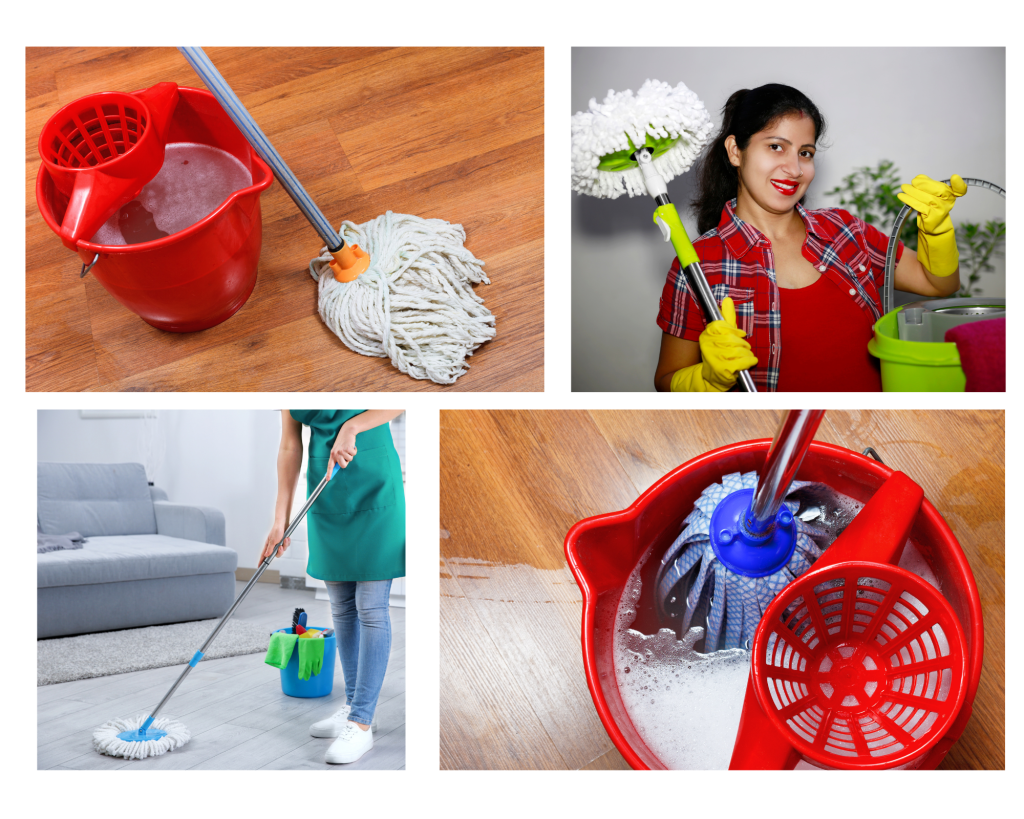
Types of Mop Buckets:
Mop buckets come in various sizes, shapes, and materials. The most common types of mop buckets are:
- Traditional Mop Buckets: These are the most common type of mop buckets that are used in households and commercial settings. They are made of plastic or metal and come with a wringer attachment that helps to remove excess water from the mop.
- Double Bucket Systems: This type of mop bucket consists of two separate buckets. One bucket is used to hold the cleaning solution, while the other is used to rinse the mop. This system helps to prevent the spread of dirt and bacteria by keeping the cleaning solution separate from the dirty water.
- Flat Mop Buckets: These are specially designed mop buckets that are used with flat mops. They are often wider and shallower than traditional mop buckets and are made of lightweight materials.
Uses of Mop Buckets:
Mop buckets are primarily used to clean floors. They are an essential tool in maintaining a clean and hygienic environment. Mop buckets can be used to clean a variety of surfaces, including:
- Hardwood floors
- Tile floors
- Laminate floors
- Concrete floors
- Linoleum floors
Mop buckets are also used in a variety of industries, including healthcare, hospitality, and food service. In healthcare settings, mop buckets are used to clean patient rooms, waiting areas, and operating rooms. In the hospitality industry, mop buckets are used to clean hotel rooms, lobbies, and common areas. In food service, mop buckets are used to clean kitchens, dining areas, and restrooms.
Choosing the Best Mop Bucket:
Choosing the best mop bucket depends on your cleaning needs. Here are some factors to consider when selecting a mop bucket:
- Size: The size of the mop bucket should be determined by the size of the area to be cleaned. For larger areas, a larger bucket may be necessary to avoid frequent refills.
- Material: Mop buckets are typically made of plastic or metal. Plastic buckets are lightweight and durable, while metal buckets are heavier but more durable.
- Wringer: The wringer is an essential component of a mop bucket. Look for a bucket with a sturdy wringer that can withstand frequent use.
- Additional Features: Some mop buckets come with additional features, such as built-in wheels, handles, or drainage systems. These features can make the bucket more convenient and easier to use.
Mop Bucket Maintenance:
To ensure the longevity of your mop bucket and to prevent the spread of germs and bacteria, it’s essential to properly maintain and clean your mop bucket. Here are some tips on how to maintain your mop bucket:
- Empty and Rinse: After each use, empty the dirty water from the mop bucket and rinse it thoroughly with clean water.
- Disinfect: To prevent the spread of germs and bacteria, disinfect your mop bucket regularly. You can use a disinfectant cleaner or a mixture of bleach and water to disinfect your mop bucket.
- Store Properly: Store your mop bucket in a clean and dry area to prevent the growth of mold and bacteria. Make sure to empty any remaining water from the bucket and let it air dry completely before storing it.
- Replace When Necessary: Over time, mop buckets can become worn and damaged. Replace your mop bucket when you notice any cracks or damage to prevent the spread of bacteria and to ensure optimal cleaning performance.
Environmental Impact of Mop Buckets:
While mop buckets are essential cleaning tools, they can also have a negative impact on the environment. Many mop buckets are made of plastic, which is a non-biodegradable material that takes hundreds of years to decompose. Additionally, the constant use of cleaning chemicals can contribute to water pollution and harm aquatic life.
To reduce the environmental impact of mop buckets, consider using eco-friendly cleaning products and reusable mop heads. Look for mop buckets made of recycled materials or opt for metal buckets that can be recycled at the end of their lifespan. Properly dispose of any cleaning chemicals and avoid pouring them down the drain.
Incorporating eco-friendly practices into your cleaning routine not only benefits the environment but also promotes a healthier and safer living environment for you and your family.
Innovations in Mop Bucket Design:
As technology advances, so does the design of cleaning equipment. In recent years, several innovations have been made in the design of mop buckets to improve their efficiency and functionality. Some of these innovations include:
- Self-Dispensing Mop Buckets: These mop buckets come with a built-in cleaning solution dispenser that releases the cleaning solution as needed, eliminating the need for a separate cleaning solution bucket.
- Ergonomic Design: Many mop buckets now feature ergonomic designs that reduce strain on the user’s back and arms, making cleaning more comfortable and efficient.
- Microfiber Mop Buckets: Microfiber mop buckets use a specialized mop head made of microfiber material that is more effective at trapping dirt and bacteria than traditional mop heads.
- Hands-Free Mop Buckets: Hands-free mop buckets feature a foot pedal that allows the user to wring out the mop without using their hands, promoting hygiene and reducing the risk of cross-contamination.
The Importance of Using the Right Cleaning Solution:
While the mop bucket is an essential tool for cleaning floors, the cleaning solution used is equally important. Using the wrong cleaning solution can not only be ineffective but also harmful to the surface being cleaned and the environment. Here are some tips on choosing the right cleaning solution for your mop bucket:
- Consider the Surface: Different surfaces require different cleaning solutions. For example, a hardwood floor requires a different cleaning solution than a concrete floor. Read the label of the cleaning solution to ensure that it is safe and effective for the surface being cleaned.
- Avoid Harsh Chemicals: Harsh chemicals can damage the surface being cleaned and harm the environment. Look for cleaning solutions that are free of harsh chemicals such as bleach and ammonia.
- Choose Eco-Friendly Options: Eco-friendly cleaning solutions are safer for the environment and your health. Look for cleaning solutions that are biodegradable and made from natural ingredients.
- Follow Dilution Instructions: Some cleaning solutions need to be diluted before use. Follow the dilution instructions on the label to ensure that the cleaning solution is effective and safe to use.
Using the right cleaning solution not only ensures that the surface is effectively cleaned but also promotes a healthy and safe living environment.
Mop Buckets in Commercial Settings:
Mop buckets are crucial tools in commercial settings such as restaurants, hotels, and hospitals. In these settings, floors are subjected to heavy foot traffic and frequent spills, making the need for a clean and hygienic environment even more important. Here are some tips for using mop buckets in commercial settings:
- Use Separate Buckets: Using a separate bucket for cleaning solution and rinsing water can prevent the spread of dirt and bacteria.
- Change Water Regularly: To prevent the spread of germs and bacteria, change the water in the mop bucket frequently, especially when cleaning high-traffic areas.
- Use the Right Equipment: Using the right equipment, such as mop heads and wringers, can make cleaning more efficient and effective.
- Train Staff: Proper training is essential in ensuring that staff members are using mop buckets correctly and safely. Make sure to provide training on proper cleaning techniques and safety protocols.
By using mop buckets correctly in commercial settings, you can promote a clean and hygienic environment for customers and employees alike.
The Future of Mop Buckets:
As technology continues to advance, we can expect even more innovative designs and features in mop buckets. One potential development is the integration of smart technology, which can help with monitoring water quality and usage, as well as tracking cleaning schedules and tasks. Another potential development is the use of biodegradable and sustainable materials in mop bucket production, reducing the impact on the environment.
Overall, the future of mop buckets is exciting and promising, with ongoing developments aimed at making cleaning more efficient, effective, and environmentally friendly.
Conclusion:
In conclusion, a mop bucket is a necessary tool for maintaining a clean and hygienic environment. Whether it’s used in a residential, commercial, or healthcare setting, a mop bucket plays an essential role in keeping floors clean and free of dirt and bacteria. By using the right mop bucket for your cleaning needs, maintaining and cleaning it properly, using the right cleaning solution, and following safety guidelines, you can ensure that your floors are always clean and safe. Additionally, incorporating eco-friendly practices can reduce the impact of mop buckets on the environment and promote better indoor air quality.

