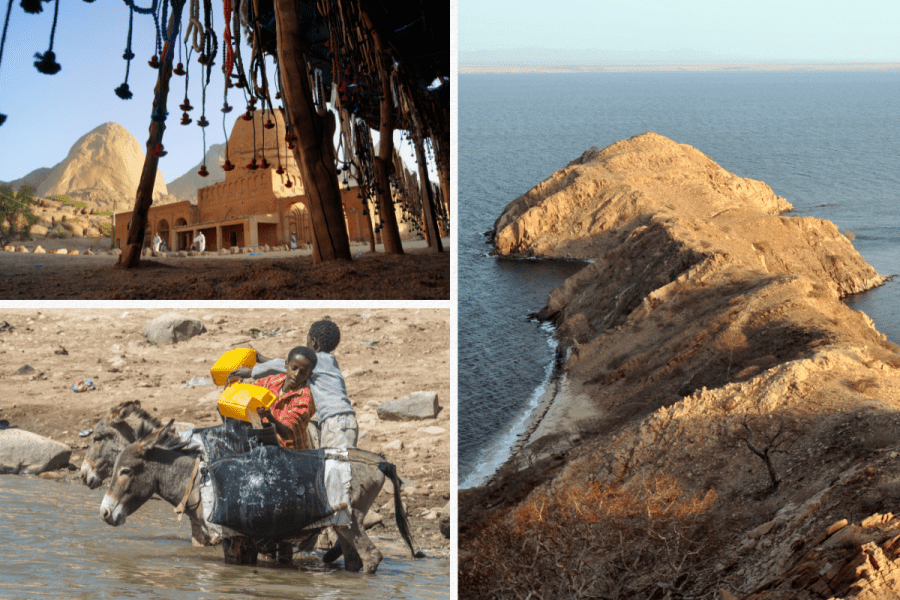
Are you looking for a unique travel destination that’s off the beaten path? Look no further than Eritrea, a small country located on the Horn of Africa. Despite its size, Eritrea is full of history, culture, and natural beauty that make it a must-visit destination for any intrepid traveler. In this article, we’ll explore the top things to do in Eritrea, from ancient ruins to pristine beaches and everything in between.
Discovering Asmara: The Paris of Africa
One of the highlights of any trip to Eritrea is the capital city of Asmara, which is often referred to as the “Paris of Africa” due to its stunning Art Deco architecture and European-style cafes. Some of the must-visit attractions in Asmara include:
The Fiat Tagliero Building
This iconic building is one of the most recognizable landmarks in Asmara, thanks to its futuristic design that looks like an airplane about to take off. It was built in 1938 by Italian architect Giuseppe Pettazzi, and today it serves as a museum and cultural center.
The National Museum of Eritrea
If you want to learn more about the history and culture of Eritrea, the National Museum is the perfect place to start. It features exhibits on everything from ancient artifacts to traditional handicrafts, as well as a section dedicated to Eritrea’s struggle for independence.
The Al Khulafa Al Rashiudin Mosque
This beautiful mosque is one of the most important religious sites in Eritrea, and it’s also a stunning example of Islamic architecture. Visitors are welcome to explore the mosque and admire its intricate tilework and decorative features.
Exploring Eritrea’s Ancient History
Eritrea has a rich history that stretches back thousands of years, and there are plenty of ancient ruins and archaeological sites to explore. Some of the most impressive include:
The Qohaito Archaeological Site
Located in the southern part of Eritrea, the Qohaito site is home to a number of ancient ruins dating back to the Aksumite era. Visitors can explore the remains of palaces, temples, and other structures, as well as enjoy the stunning views of the surrounding countryside.
The Dahlak Archipelago
This group of islands off the coast of Eritrea is home to a number of ancient ruins and shipwrecks, including the remains of a Roman trading outpost. Visitors can also enjoy snorkeling and diving in the crystal-clear waters, which are home to a diverse array of marine life.
Enjoying Eritrea’s Natural Beauty
Despite its desert climate, Eritrea is home to some stunning natural landscapes that are well worth a visit. Some of the top natural attractions include:
The Gash-Barka Region
National parks and animal refuges can be found in this part of western Eritrea, including the Dahlak Marine National Park and the Gash-Barka National Park. In addition to spotting a variety of rare and endangered species, visitors may explore the untamed mountains and expansive plains.
The Red Sea Coastline
Beach lovers and fans of water sports will find paradise along Eritrea’s Red Sea coast. Ghelalo Beach, with its clean waters and spotless sand dunes, is one of the best beaches to visit. Another is Massawa Beach, which is encircled by structures from the colonial era and palm trees.
Experiencing Eritrea’s Unique Culture
In addition to its natural beauty and ancient history, Eritrea is also home to a rich and diverse culture that’s unlike anything you’ll find elsewhere in the world. Here are some of the top cultural experiences to enjoy in Eritrea:
Traditional Music and Dance
Eritrea has a rich musical tradition, with a wide range of styles and instruments that reflect the country’s diverse ethnic groups. From the traditional krar (a lyre-like instrument) to the modern Tigrigna pop music, there’s something for everyone to enjoy.
Eritrean Cuisine
If you’re a foodie, you won’t want to miss out on Eritrean cuisine. The country’s unique blend of African, Middle Eastern, and Mediterranean influences has resulted in a mouthwatering array of dishes, from spicy stews to fresh seafood.
Festivals and Celebrations
Eritrea is known for its colorful festivals and celebrations, which offer a glimpse into the country’s rich cultural heritage. Some of the top festivals to check out include the Independence Day celebrations on May 24th, and the colorful Carnival of Asmara in August.
Getting Off the Beaten Path
While Asmara and other popular destinations in Eritrea are well worth a visit, there are also plenty of off-the-beaten-path attractions that are worth exploring. Some of the top hidden gems in Eritrea include:
The Nakfa Region
This remote region in northern Eritrea is home to some of the country’s most stunning landscapes, including rugged mountains, hidden waterfalls, and ancient rock art.
The Camel Market in Keren
If you want to experience a truly unique slice of Eritrean life, head to the camel market in Keren. Here, you can witness the bustling trade in camels, goats, and other livestock that’s been going on for centuries.
Getting Around in Eritrea
Getting around Eritrea can be a bit of a challenge, as the country’s infrastructure is still developing. However, there are a few options for transportation that can help you explore the country:
Private Car Hire
One of the easiest ways to get around Eritrea is to hire a private car and driver. This will give you the flexibility to explore the country at your own pace, and your driver can also act as a guide and translator.
Public Transport
If you’re on a budget, public transport is a good option for getting around Eritrea. The country has a network of buses and minibusses that connect major cities and towns, although be prepared for crowded conditions and long travel times.
Cycling and Walking
For the more adventurous traveler, cycling and walking are great options for exploring Eritrea’s stunning natural landscapes. There are a number of organized bike tours and hiking trails that will take you off the beaten path and give you a unique perspective on the country.
Tips for Traveling in Eritrea
Before you embark on your Eritrean adventure, here are a few tips to help you make the most of your trip:
Respect Local Customs and Traditions
Be sure to dress modestly and observe local norms when visiting religious buildings and public places in Eritrea because it is a conservative nation with strong cultural and religious traditions.
Stay Hydrated
The Eritrean climate is hot and dry, so be sure to drink plenty of water and stay hydrated to avoid heatstroke and dehydration.
Be Prepared for Limited Internet Access
While some hotels and cafes in major cities may offer internet access, don’t count on being able to stay connected during your entire trip. Be prepared to unplug and enjoy the natural beauty and cultural richness of Eritrea without the distraction of constant connectivity.
Final Thoughts
Eritrea is a hidden gem that’s just waiting to be discovered by adventurous travelers. Whether you’re interested in history, culture, nature, or just getting off the beaten path, this unique destination offers a wealth of experiences that will stay with you long after you’ve returned home. So why not start planning your Eritrean adventure today?
FAQs
Is Eritrea safe for tourists?
Yes, Eritrea is generally considered a safe destination for tourists. However, it’s always a good idea to exercise caution and follow local safety guidelines.
What is the best time to visit Eritrea?
The best time to visit Eritrea is during the cooler months of November to February. However, if you’re interested in diving or snorkeling, the summer months of June to August offer the best visibility.
Do I need a visa to visit Eritrea?
Yes, most visitors to Eritrea require a visa. You can obtain a visa at the Eritrean embassy or consulate in your native country, or at Asmara International Airport upon arrival.
What currency is used in Eritrea?
The official currency of Eritrea is the nakfa (ERN), which is divided into 100 cents. US dollars and euros are also widely accepted.
What should I pack for a trip to Eritrea?
Pack a hat, sunscreen, and bug repellent in addition to light, breathable clothing for the hot, dry weather. Bring modest clothes that covers your arms and legs if you intend to visit any religious places.
 Hey Singapore