
Maximize the efficiency of window aircon in HDBs with our expert guide. Discover tips for reducing noise and improving indoor air quality while saving on energy costs.
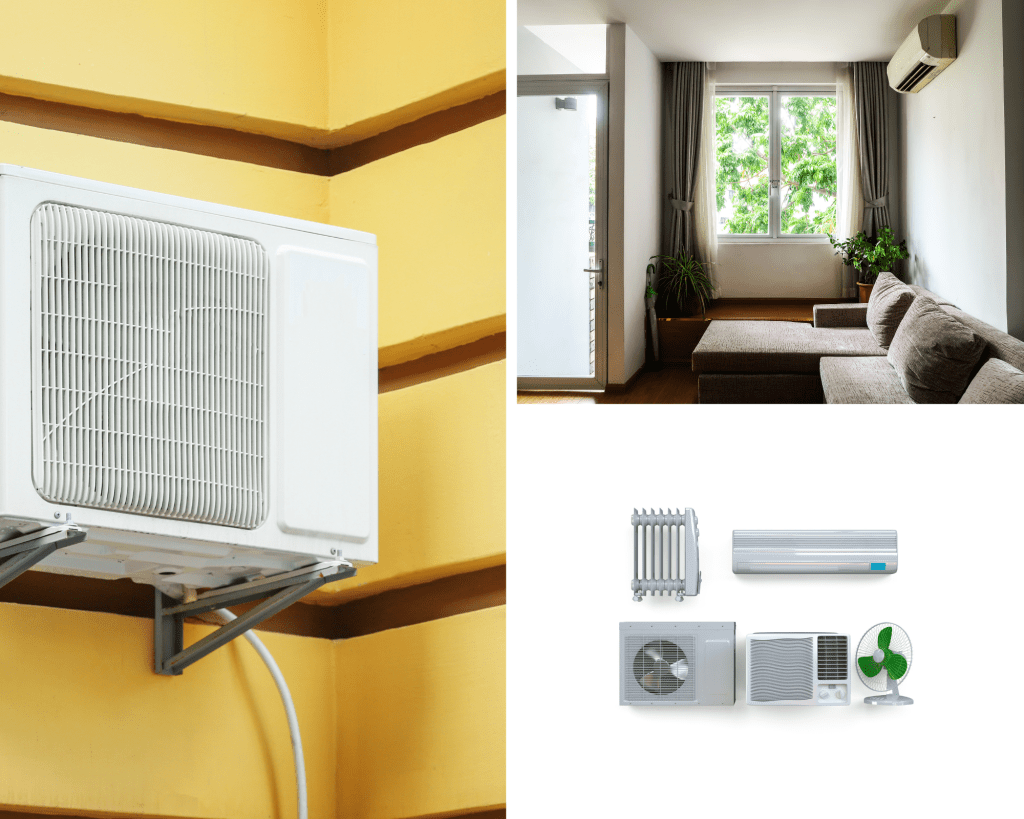
Understanding the unique challenges of cooling HDBs with window aircon
Singapore’s Housing and Development Board flats (HDBs) face unique window air conditioner cooling issues. HDBs need customized cooling systems due to their limited size and lack of outside space. Because to their affordability, ease of installation and maintenance, and flexibility, HDBs use window aircon units. HDBs have unique cooling needs that require specialized expertise and experience.
The size and arrangement of HDB homes make window aircon cooling difficult. HDBs are tiny, smaller residential buildings. The air conditioner must be properly designed and situated to maximize cooling while minimizing energy use. HDBs are generally in high-density regions with noisy and filthy outdoor environments, making it hard to maintain a decent internal environment.
Aircon installation space is another issue. HDBs lack outdoor space for condenser units, thus window aircon units must be constructed to fit. This takes experience in choosing the proper type and size of aircon unit to fit in the limited space and offer adequate cooling. To avoid blocking windows or ventilation, the aircon unit must be carefully placed.
Selecting the appropriate window aircon unit size and type for your HDB
Considerations include room size, window count, and apartment layout when choosing a window aircon unit for your HDB. Selecting the right window aircon unit can improve HDB cooling efficiency and effectiveness.
Measure the room to cool before choosing a window aircon unit. This determines aircon unit size. Oversized aircon units waste energy and raise electricity bills, while undersized units may not chill enough. Air conditioner cooling capacity is determined by BTU rating. To maximize cooling efficiency, match the aircon’s BTU rating to the room’s size.
The quantity of windows in your HDB should also be considered while choosing a window aircon unit. Windows let heat in, reducing aircon efficiency. Hence, if you have several windows, you may need a larger air conditioner to offset the extra heat.
The window aircon unit you choose matters too. Sliding and casement window aircon units exist. Sliding windows fit sliding types, while casement windows fit casement types. To maximize cooling efficiency, choose an aircon unit that fits your window.
Tips for proper installation and maintenance of window aircon in HDBs
HDB window aircon systems must be properly installed and maintained for best cooling performance, energy savings, and longevity. Poor installation or maintenance can lower cooling efficiency, increase electricity bills, and damage the aircon unit or structure. HDB window aircon installation and maintenance tips:
To ensure correct installation, use an expert aircon installer. The technician should advise on aircon placement, size, and type for the HDB plan. The unit must be firmly fixed, the drainage pipe linked, and the electrical connections properly installed.
Second, regular aircon unit maintenance maximizes cooling efficiency and energy savings. Aircon filters, refrigerant levels, and dust and debris must be cleaned regularly. Neglecting maintenance can diminish cooling efficiency, increase electricity expenses, and harm the aircon unit.
Thirdly, the aircon room must be well ventilated. Appropriate ventilation improves airflow and cooling efficiency, lowering electricity expenditures. Adequate ventilation reduces moisture buildup, which causes mold and other problems.
Drapes, furniture, and other items should not block the aircon unit. Obstructing the aircon unit reduces cooling efficiency and raises electricity expenditures.
Strategies for optimizing energy consumption and reducing costs
Window aircon users in HDBs must reduce energy use and expenditures. Electricity costs can be costly, especially for low-income people. Window aircon units in HDBs can be optimized to save energy and money:
First, choose the right HDB aircon unit size and kind. Undersized aircon units may not chill enough, while oversized ones waste energy and raise electricity expenses. Selecting the right aircon unit for your window type can boost cooling efficiency and lower energy use.
Second, fixing the aircon unit temperature appropriately helps save energy consumption and expenditures. For energy economy and cooling comfort, 25–27 degrees Celsius is ideal.
Thirdly, decreasing heat sources in the space improves cooling efficiency and energy usage. This includes closing curtains and blinds to keep heat out, turning off unnecessary lights and appliances, and not cooking or using the oven during the hottest portion of the day.
Finally, frequent aircon unit maintenance can boost cooling efficiency and lower energy use. Routine maintenance involves cleaning the aircon filters, monitoring refrigerant levels, and cleaning the unit.
Troubleshooting common window aircon problems in HDBs
Due to their price and convenience of installation, HDB residents choose window aircon units. Like all electrical devices, window aircon systems can break down. Fixing common window aircon issues can save HDB homeowners money and effort. Troubleshooting window aircon issues:
If the air conditioner isn’t cooling, a dirty air filter or condenser coil may be the problem. Cleaning the air filter or condenser coil improves cooling performance and reduces energy use. Refrigerant leaks might also cause poor cooling.
Second, loose parts or a broken fan motor may cause the air conditioner to make unusual noises. Tightening loose parts or replacing a broken fan motor can fix this. A faulty compressor may cause the noise if it persists.
Thirdly, an aircon unit that leaks water may have a clogged drainage line or a broken condenser pump. This can be fixed by unclogging the drainage pipe or replacing the condenser pump. Water leakage can be prevented by installing the aircon unit at the right angle.
Finally, a broken thermostat or circuit breaker may prevent the air conditioner from going on. Resetting the circuit breaker or replacing the thermostat can fix this. If the unit doesn’t switch on, it may need professional repair owing to a defective compressor or other electrical difficulties.
Conclusion
HDB households must properly install and maintain window aircon units and use energy-saving methods. These suggestions can help HDB residents minimize energy use, cooling efficiency, and power expenses. Aircon units last longer and perform better with regular maintenance and use. Due to their unique obstacles, window aircon units for HDBs demand special skills and understanding. The right window aircon unit size and type maximizes cooling performance and energy savings. Fixing common HDB window aircon issues saves time and money. HDB households can prevent costly repairs and replacements by detecting and fixing common issues early. Refrigerant leaks and compressor damage need skilled repair. Cleaning the air filter and checking refrigerant levels can also prevent many aircon issues. HDB tenants can maximize window aircon performance and lifespan by following these suggestions.
 Hey Singapore