
Discover the truth about faux leather, from its composition to the manufacturing process. Explore types, pros, and cons. Learn how to care for it.
The Basics of Faux Leather: Definition and Composition
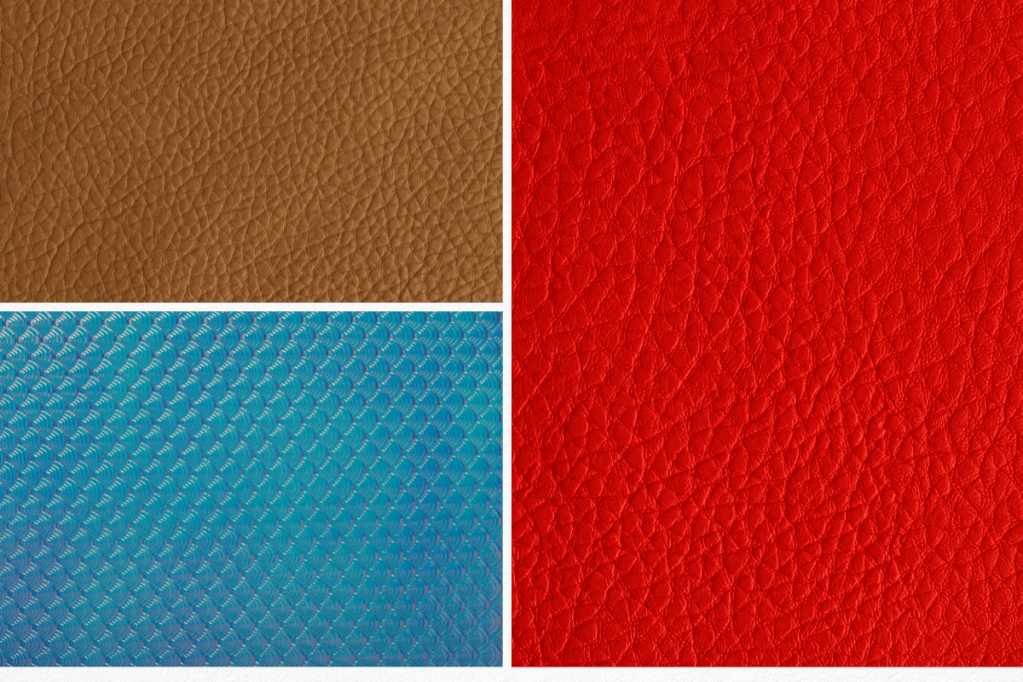
Faux leather, often known as synthetic leather or vegan leather, is a synthetic replacement to real leather. It’s cheaper and greener than real leather but looks and feels like it. Faux leather’s composition depends on its use and production process.
Polyurethane (PU) and polyvinyl chloride (PVC) are the main materials used to make imitation leather. (PVC). PVC leather is manufactured by adding a layer of PVC to a fabric backing, while PU leather is made by coating a fabric backing with polyurethane. Both materials can imitate leather by embossing, printing, or texturing.
Microfiber, nylon, and recycled plastic are used in faux leather production along with PU and PVC. To make a more sustainable product, combine these components with cotton or hemp.
Faux leather has limitations despite its popularity. Faux leather is more likely to fracture and peel than real leather. It may also be less breathable and comfy than genuine leather.
The Pros and Cons of Faux Leather: Durability, Comfort, and Sustainability
Faux leather’s cost is a major benefit. Faux leather is cheaper than real leather, making it more accessible to customers. Faux leather can be made in a range of colors and textures for design flexibility.
Sustainability is another benefit of imitation leather. Faux leather can be created from recyclable materials and more environmentally friendly methods than real leather. This makes it more sustainable for eco-conscious consumers.
Faux leather can have some drawbacks. Durability is a major issue. Unlike genuine leather, imitation leather wears out faster. Faux leather is less breathable than real leather, making it uncomfortable to wear in hot temperatures.
Faux leather has certain environmental implications, but it’s more sustainable than real leather. Faux leather products can be difficult to dispose of, and PU and PVC manufacture can pollute.
Faux leather is a cheaper and more environmentally friendly alternative to real leather. When choosing between the two fabrics, it’s crucial to weigh durability and comfort. To reduce their environmental impact, people should buy eco-friendly items.
Types of Faux Leather: Polyurethane (PU) and Polyvinyl Chloride (PVC)
Polyurethane (PU) and Polyvinyl Chloride (PVC) are the main materials used to make imitation leather. PU leather is manufactured by covering a fabric backing with polyurethane, while PVC leather is made by adding PVC. They can be embossed, printed, or textured to seem like leather.
PU leather is popular for apparel, upholstery, and accessories due to its softness and flexibility. In warm weather, it’s more comfortable than PVC leather because it’s more breathable. However, PU leather is less durable than PVC leather and can crack and peel over time.
However, PVC leather is durable and water-resistant. Due to its durability, furniture, vehicle seats, and outdoor gear are made from it. Compared to PU leather, PVC leather is less breathable and uncomfortable.
Overall, PU or PVC leather depends on use and personal preference. PVC leather is more durable and water-resistant than PU leather, which is more comfortable.
The Manufacturing Process of Faux Leather: From Raw Materials to Finished Product
Faux leather is made in numerous processes, from raw material preparation to completed product. The first stage is choosing the right materials, which rely on the faux leather’s usage. Polyurethane (PU) and polyvinyl chloride (PVC) are the main materials used to make imitation leather. (PVC).
Materials are turned into fabric backing after selection. To build a durable substrate for the faux leather coating, this can entail weaving, knitting, or gluing layers of materials. The cloth backing is coated with imitation leather next. Dip, spritz, or roll the fabric to apply the coating. To attach to the fabric backing, the coating is cured with heat or chemicals.
The imitation leather is embossed, stamped, or textured to simulate different leathers when the coating cures. Molds or presses can be used to create a texture or pattern. The synthetic leather is cut and sewed into the proper shape to finish the product.
Faux leather manufacture demands meticulous attention to detail. Manufacturers may make high-quality faux leather products that appear and feel like real leather utilizing the correct methods and equipment.
How to Care for Faux Leather: Cleaning and Maintenance Tips
Faux leather needs regular upkeep to appear its best. Cleaning imitation leather is the first step in maintaining it. To remove dirt and debris, wipe the surface with a moist cloth or sponge. Faux leather can be damaged by harsh chemicals and abrasives.
If the imitation leather is stained, apply a faux leather cleaning solution. These treatments can remove tough stains without destroying the cloth and are available at most home goods stores.
Faux leather must be cleaned and protected from heat and moisture. Avoid direct sunlight and heat sources to prevent imitation leather from fading or cracking. Moisture can warp or discolor faux leather, so keep it dry.
Finally, faux leather things should be stored appropriately. Avoid folding or crushing imitation leather to avoid creases. Store faux leather on a hanger or in a bag in a cool, dry area.
These simple cleaning and care procedures can extend the life of faux leather items and keep them looking excellent.
Conclusion
In conclusion, faux leather is affordable, eco-friendly, and adaptable. However, it is necessary to understand the many varieties of faux leather, the manufacturing process, and how to care for it to maintain life and best performance. Consumers can choose faux leather products that meet their needs and ideals by evaluating durability, comfort, and sustainability. For individuals seeking a more sustainable and responsible lifestyle, imitation leather is a stylish and ethical alternative to real leather.
 Hey Singapore