
Learn about the positives and negatives associated with open floor plans in HDBs. Utilize our guidance to determine whether or not it is the best option for you to take. Today is the time to make an educated decision.
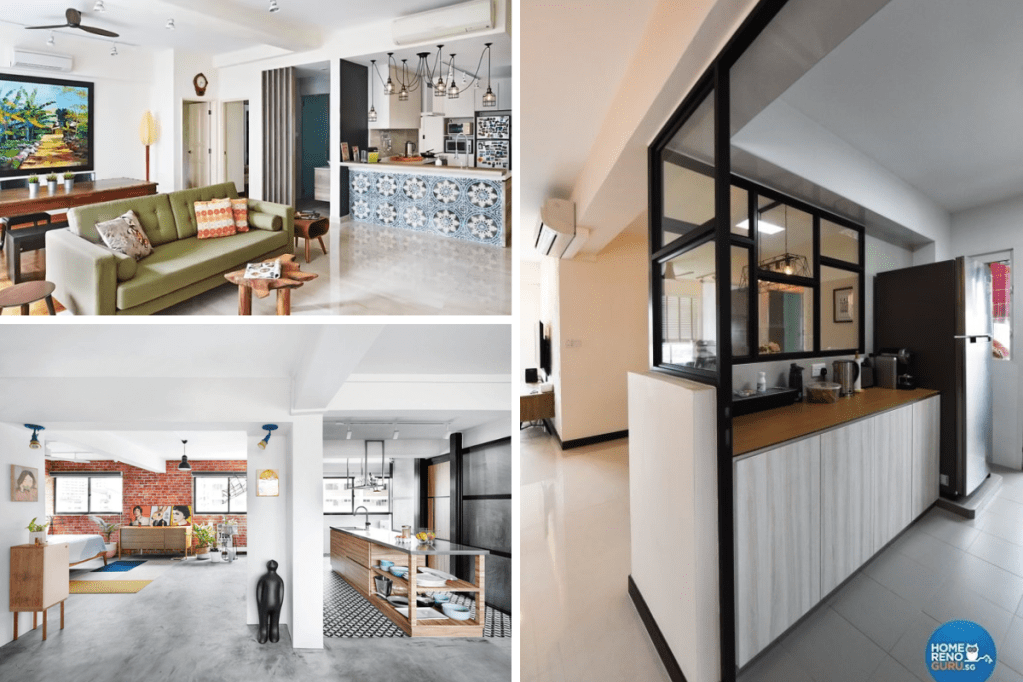
Why Open Concept HDBs are Gaining Popularity
Singaporeans are favoring open-concept HDBs with few walls and doors. The changing lifestyles of modern families and the desire for more utilitarian living spaces have contributed to its popularity. This trend is driven by Singapore’s ageing population’s yearning for more social interaction and communal living. Open concept HDBs also foster camaraderie, offsetting the absence of privacy.
Modern, elegant residences are another reason open concept HDBs are becoming more popular. Social media and internet platforms that highlight beautiful homes have made consumers more interested in Instagram-worthy living settings. Open concept homes allow interior design aficionados to express their creativity, which adds to their appeal.
HDBs’ open design improves ventilation and air circulation, which is crucial in Singapore’s hot and humid climate. It improves living space comfort and wellness. The open design lets natural light into the home, which eliminates the need for artificial lighting, saves energy, and produces a more relaxing atmosphere.
Open-concept living also reflects Singapore’s shifting cultural and social standards. As more young families adopt modern lives, they are looking for homes that meet their demands. Open-concept HDBs are ideal for modern families because they offer flexibility and diversity. As more individuals adopt this trend, open concept HDBs will undoubtedly continue to grow in popularity.
Advantages of Open Concept Living: Greater Space and Natural Light
Open-concept living offers more space and natural light. Open concept living makes a small area feel bigger by removing boundaries and restrictions. This sensation of space is especially helpful in smaller homes or apartments where every inch matters. Open concept living removes hallways and other wasted space, making space utilization more effective.
Natural light is another benefit of open concept living. The living space is brighter and airier with fewer walls and impediments. It improves the home’s appearance and wellness. Natural light boosts vitamin D, improves mood, and regulates sleep.
Open concept living also offers extra living area flexibility. With fewer walls and barriers, homeowners can customize their space. For instance, a living room can become a dining room or a bedroom or a home office. This versatility is useful in smaller homes with limited space.
Open concept living promotes community and socialization. It provides an open, communal area by removing walls and restrictions. This is especially helpful for families with children because parents can keep a watch on them while they go about their day. It also encourages family time and strengthens family bonds.
Conclusion
Open concept living offers more space, natural light, flexibility, and social interaction. It’s a modern living trend, especially in Singapore, due to these perks.
Disadvantages of Open Concept Living: Noise and Privacy Issues
Open concept living offers numerous benefits, but it also has drawbacks. The biggest negative is noise. Without walls to restrict sound, noise from one section of the home can readily transfer to other areas, which can be especially problematic in multi-generational households or houses with small children. This can make it hard to focus or relax in some areas of the home.
Privacy is another issue with open concept living. It’s hard to find a calm place with fewer walls. In multi-generational or roommate houses, this might be difficult. It can also make it hard to entertain guests without disrupting adjacent rooms.
Lack of boundaries and obstacles makes it hard to clean and organize the home. Clutter can readily accumulate in a living space without specific places for different activities. For tidy people, this can cause worry and anxiety.
Finally, decorating and designing the living area can be difficult without walls and barriers. Without defined boundaries between rooms, it’s hard to create a unified design. This might be difficult for interior design and home aesthetics enthusiasts.
Finding the Right Balance: How to Make Open Concept HDBs Work for You
There are methods to make open concept living work for you despite its drawbacks. Creating activity zones is one of the most successful methods. For instance, utilizing furniture or rugs to define a living room or dining area might assist establish privacy. It can also reduce noise and organize your home.
Soundproofing is another method to make open concept living work. These materials reduce noise and offer a quieter home. This is especially helpful in multi-generational or young-child households.
Creating quiet places in the home can also give a sense of seclusion. To establish work and relaxation spaces, use curtains, screens, or room dividers. For people who appreciate privacy and require a quiet location to concentrate or rest, this can be helpful.
Finally, investing in high-quality interior design and home aesthetics can help an open concept home look unified and harmonious. This can be achieved by employing comparable colors, materials, and textures throughout the living environment. Investing in statement pieces or artwork can help identify different rooms in the home.
Conclusion
There are pros and cons to open concept living. It can provide space, natural light, and social connection, but also noise and privacy difficulties. Finding the appropriate mix and investing in soundproofing materials, designated spaces, and high-quality interior design may make open concept HDBs work for you.
Practical Tips for Creating Zones in Your Open Concept HDB
Creating activity zones in an open-concept HDB is difficult. Without walls or barriers, living spaces can be hard to divide. With few practical tips, you can create efficient, elegant, and tidy spaces.
Furniture is a great way to divide an open-concept HDB into zones. A dining table or huge sofa can define a dining or living room, respectively. This can assist organize a vast, open living space. Rugs may define spaces and unify a room.
Lighting is another way to divide an open-concept HDB into zones. Pendant lights or floor lamps can highlight various aspects of the living room. This can also add warmth and emotion to the living room.
Color and texture may also divide an open-concept HDB. For instance, having a different color scheme or texture for each part can help organize it. Accent walls, drapes, and accessories can do this.
Finally, room dividers or screens can split an open-concept HDB into zones. A folding screen can separate a home office from a living room, providing privacy and order. This is helpful for home-based workers who need a workspace.
Conclusion
Creating zones in an open-concept HDB can be difficult, but with some practical tips and methods, you can create a functional and elegant living area. Furniture, lighting, color, texture, and room dividers may define and organize spaces. An open-concept HDB may become a lovely, well-organized home with a little ingenuity and forethought.
 Hey Singapore