
Step back in time with the sleek and stylish mid century interior design. Discover how to effortlessly incorporate this timeless style into your home.
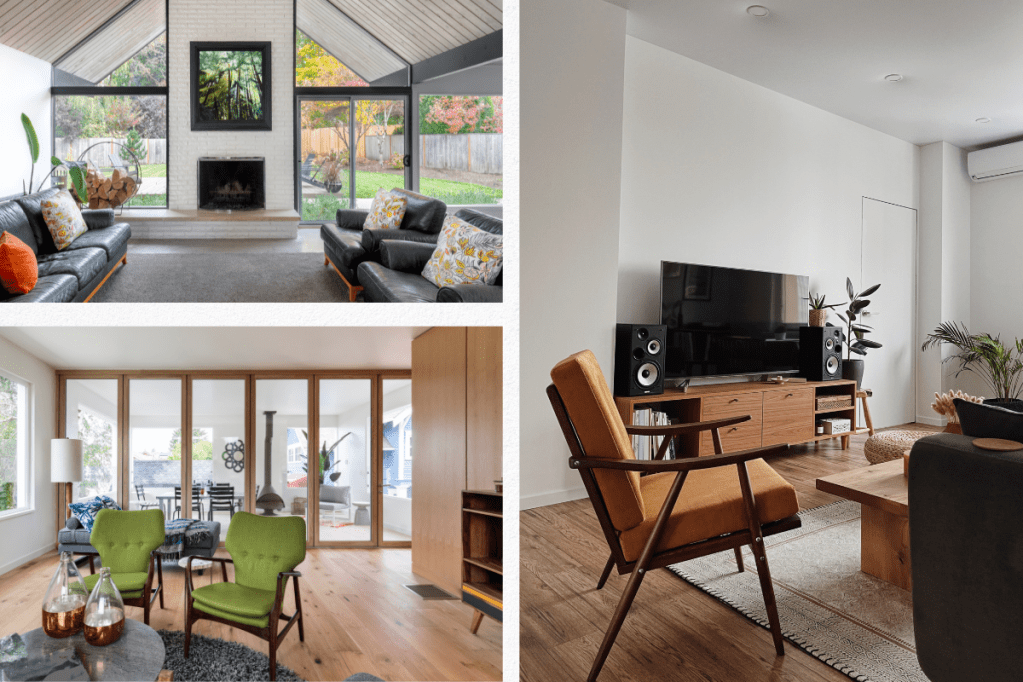
Understanding the Origins of Mid Century Interior Design
After World War II, economical and functional dwellings were needed, therefore midcentury interior design arose. The conflict had changed society, requiring a fresh design to represent the circumstances. This new modernist mentality was expressed in midcentury home design, which departed from elaborate and ornamental designs.
Midcentury interior design was heavily influenced by the Bauhaus movement, which began in Germany in the early 20th century. The Bauhaus style promoted functionalism and industrial materials, emphasizing form after function. Furniture and home décor echoed this with their simplicity, pragmatism, and clean lines.
Another major influence on midcentury home design was Scandinavian. Minimalism, practicality, and natural materials were stressed in this design approach. Scandinavian designers used high-quality materials and paid attention to detail because they valued workmanship.
Midcentury interior design evolved and used new materials and technology as it became popular. Designers experimented with novel designs and materials including glass, chrome, and plastic. The molded plastic chair and glass coffee table became midcentury design icons.
Midcentury interior design ideas stayed the same despite these alterations. Simplicity, utility, and form above decoration were the style’s hallmarks. Midcentury interior design remains popular due to its ageless appeal and ability to merge with a range of other design styles, making it a versatile and durable choice for any house.
Exploring Key Characteristics of Mid Century Modern Style
Midcentury modern style has several specific traits that set it apart from other design trends. This style is characterized by organic features like curving lines and flowing curves. This gives the space vitality and movement yet relaxing and comforting.
Midcentury modern style prioritizes utility. This design prioritizes utility over decoration, emphasizing elegant and functional furniture and decor. The Eames Lounge Chair, for example, was meant to be both comfortable and beautiful.
Wood, leather, and wool are also used in midcentury modern style. These materials are frequently kept unadorned and natural. This enhances their natural beauty and provides a pleasant, real setting.
Lastly, midcentury modern style is recognized for its bright colors and patterns. They may be observed in sunburst clocks and colorful chair and couch fabric. Color and pattern give vitality, personality, and playfulness to the environment.
Choosing the Right Colour Palette for a Mid Century Inspired Home
When it comes to choosing the right colour palette for a mid century inspired home, there are several factors to consider. One of the most important is the use of bold, saturated colours such as orange, mustard yellow, and teal. These colours were popular in mid century design and can be incorporated in a variety of ways, from a statement wall to smaller accent pieces.
Another key aspect of mid century colour palettes is the use of neutral colours, particularly warm wood tones. These can be used as a backdrop to showcase bold accent colours or can be used in larger pieces such as furniture to create a warm and inviting atmosphere. Other popular neutral colours in mid century design include white, beige, and grey, which can be used to create a clean and modern look.
When choosing colours for a mid century inspired home, it is important to consider the overall mood and atmosphere that you want to create. Mid century design is known for its playful and optimistic spirit, so incorporating bright and cheerful colours can help to create a sense of energy and vibrancy in the space.
Incorporating Iconic Furniture and Decor Pieces
Iconic furniture and decor add character and personality to midcentury interior design. Eames Lounge Chairs, Saarinen Tulip Tables, and Noguchi Coffee Tables are famous midcentury furniture pieces. These functional pieces are also design statements.
Midcentury furniture and decor can create a unique and stylish look. Sunburst clocks, geometric wall art, and abstract sculptures are popular mid-century decor items that add texture and interest. Midcentury lighting fixtures like the Sputnik chandelier add glamour and sophistication to a room.
When adding iconic midcentury furniture and decor to a room, consider the overall design aesthetic. Organic and geometric shapes, bold colors, and playful patterns define mid-century design. By considering these design elements, you can create a stylish mid-century modern look.
Balancing Functionality and Aesthetics in Mid Century Interior Design
Midcentury interior design emphasizes practicality and clean, minimalist lines, so it’s important to balance form with function. Midcentury design is frequently linked with a severe and utilitarian look, yet it is feasible to create a useful and attractive room.
Multi-functional furniture is crucial to midcentury interior design’s balance of utility and beauty. Midcentury designers pioneered modular seats that could be adjusted for varied needs. Several midcentury furniture items combine aesthetic and utility, a hallmark of midcentury design.
Natural materials are another important element of midcentury home design that balances use and beauty. Wood, leather, and wool, which were sturdy and attractive, were popular with midcentury designers. Midcentury design is characterized by warmth and sincerity, which may be achieved by using these materials.
Mid-century design is defined by clean lines, geometric forms, and vibrant colors. You may create a visually appealing and practical room by employing these design components thoughtfully. A dramatic statement wall in a bright color may provide intrigue and vitality to a space while also serving as a backdrop for useful pieces like a mid-century sofa or lounge chair.
Midcentury interior design is all about achieving the correct balance between form and function. You may create a fashionable and useful room with timeless appeal by carefully picking furniture and décor components that fulfill both utilitarian and aesthetic purposes.
Conclusion
In conclusion, mid century interior design is a timeless and enduring style that has remained popular for decades. With its emphasis on simplicity, functionality, and natural materials, as well as its use of bold colours, organic shapes, and iconic furniture and decor pieces, mid century design offers a versatile and stylish approach to home decor. By understanding the origins of mid century design, exploring its key characteristics, and balancing functionality and aesthetics, you can create a space that reflects the spirit of this iconic style, while also incorporating your own unique personality and design sensibilities. Whether you are looking to create a classic mid century inspired home or to incorporate mid century design elements into a more contemporary space, the principles and ideas presented here can serve as a valuable guide to help you achieve your design goals.
 Hey Singapore