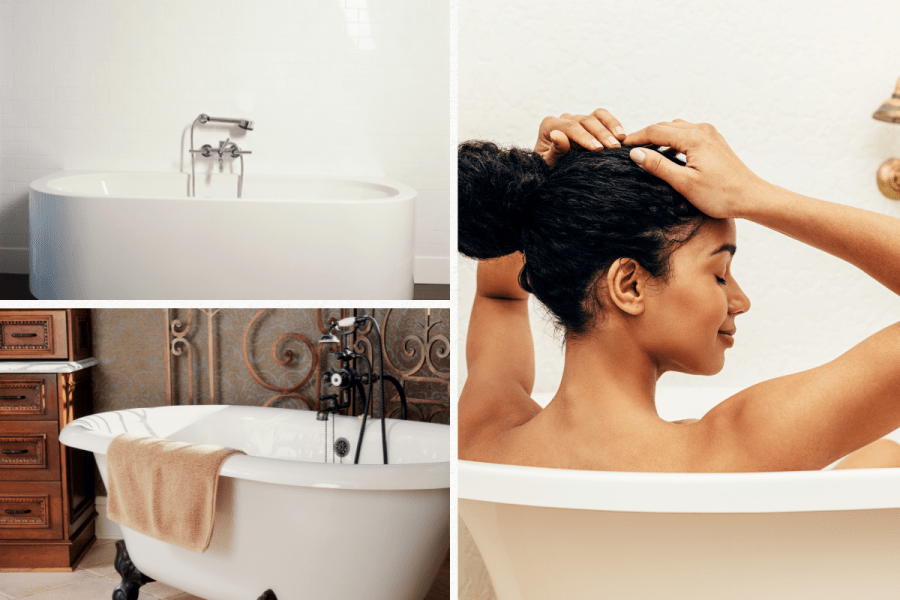
The bathtub has long been associated with comfort, elegance, and renewal. Small bathtubs have become more popular recently, especially in Singapore where space is at a premium, but larger, more lavish bathtubs frequently take center stage in rich spas and hotel suites. Small bathtubs can nevertheless offer an opulent and soothing bathing experience despite their diminutive size. The appeal of small bathtubs in Singapore houses, their advantages and disadvantages, and some advice on how to pick the ideal tiny tub for your area are all covered in this article.
Petite and Powerful: Benefits of Small Bathtubs
Compared to its larger counterparts, little bathtubs provide a number of benefits. They are the ideal solution for smaller bathrooms because they take up less space, especially in Singapore’s compact apartments. Second, a wider spectrum of households can afford them because they are less expensive than larger bathtubs. Thirdly, smaller tubs are perfect for homeowners who love DIY projects because they are simpler to install and maintain.
Additionally, small bathtubs are available in a range of sizes and shapes, allowing homeowners to select a design that complements their individual requirements and tastes. Some models even include whirlpool jets, which give you a relaxing massage while you bathe in the tub. Small bathtubs’ limited space also permits a deeper soak, which is ideal for anyone looking to unwind after a stressful day.
Drawbacks of Small Bathtubs
While small bathtubs have many advantages, they also have a few drawbacks. Firstly, they may not be suitable for taller individuals who may find it difficult to fit comfortably in the tub. Secondly, small bathtubs may not offer enough space for stretching out or turning around comfortably. Thirdly, they may not be suitable for families with young children who may prefer a larger bathtub for bath time.
Choosing the Perfect Petite Tub for Your Space
There are a few factors to take into account while picking the ideal small tub for your space. To begin with, carefully measure the space in your bathroom. Next, take into account your individual requirements and preferences, such as how frequently you anticipate using the tub, the kind of bathing experience you want, and the features that are most significant to you.
Consider the tub style that best complements the design of your bathroom, third. Small bathtubs come in a variety of designs, including alcove, corner, and freestanding models. It’s crucial to select the type that best meets your needs because each style has specific benefits and drawbacks of its own.
Beyond the Basics: Innovative Small Bathtub Designs
In addition to the traditional styles of small bathtubs, there are many innovative designs available that take the concept of small to new heights. Some designs are even specifically tailored to the needs of small apartments in Singapore.
One popular design is the Japanese-style soaking tub. These tubs are shorter and deeper than traditional Western tubs, allowing for a deep and immersive soak. They are often made from wood or acrylic, and can be installed as freestanding tubs or built into a platform. Japanese-style soaking tubs have become a popular trend in small bathroom design due to their space-saving design and unique aesthetic.
Another innovative design is the walk-in bathtub. These tubs are designed for individuals who may have difficulty stepping over the high sides of a traditional bathtub. They feature a door that can be sealed, allowing for easy entry and exit, and often include features such as jets and a built-in seat. While walk-in tubs may take up more floor space than traditional small bathtubs, they provide accessibility and safety for those who need it.
Last but not least, there are little hot tubs that may fit on the smallest balconies. These tubs are ideal for homeowners who want a luxurious spa experience without taking up a lot of space because they come in a range of sizes and shapes, including round and square designs. For a full sensory experience, some versions even have built-in speakers and LED lights.
Tips for Maintaining Your Small Bathtub
Although smaller bathtubs are simpler to build and maintain than bigger ones, they still need to be properly maintained to stay clean and functional. The following advice may help you maintain your compact bathtub:
- To avoid soap scum and mineral accumulation, clean your tub frequently with a non-abrasive solution.
- Use mild chemicals instead of harsh ones because they won’t harm the tub’s surface.
- To clean the tub, use a soft sponge or cloth rather than harsh scrubbers that can scratch the surface.
- Rinse the tub thoroughly after each use to prevent soap buildup.
- Consider investing in a drain strainer to prevent hair and other debris from clogging the drain.
Maximizing the Space: Small Bathtub Design Ideas for Tiny Bathrooms
One of the biggest challenges in small bathroom design is how to fit everything you need into a limited space. However, with the right design ideas, even the tiniest of bathrooms can accommodate a luxurious small bathtub. Here are some design ideas for maximizing space in small bathrooms:
- Corner tubs: Corner tubs are an excellent option for small bathrooms as they take up less floor space than traditional tubs. They also create a focal point in the room and make use of an often neglected corner space.
- Wall-mounted tubs: Wall-mounted tubs are another option for maximizing space in small bathrooms. These tubs are mounted on the wall and do not require any floor space, allowing for more room to move around in the bathroom.
- Built-in tubs: Built-in tubs are designed to be recessed into the wall, creating a seamless look and maximizing space in small bathrooms. They can be installed with a variety of materials, including tile, stone, and acrylic.
- Freestanding tubs: While freestanding tubs take up more floor space than other designs, they can still be a good option for small bathrooms if placed strategically. For example, placing a freestanding tub near a window can create the illusion of more space and provide natural light.
- Combined shower-bath units: For those who need to save as much space as possible, a combined shower-bath unit can be an excellent option. These units combine a shower and a bathtub into one compact design, allowing for both functions in a small space.
By incorporating one of these small bathtub design ideas, even the smallest of bathrooms can become a luxurious and relaxing retreat.
Conclusion:
Small bathtubs are an excellent option for Singaporean homeowners who want to enjoy a relaxing bathing experience without sacrificing valuable floor space. Whether you prefer a traditional alcove tub, an innovative Japanese-style soaking tub, or a space-saving corner tub, there is a perfect petite tub for every space. With the right design ideas and maintenance tips, small bathtubs can provide years of relaxation and rejuvenation in even the tiniest of bathrooms.
 Hey Singapore