
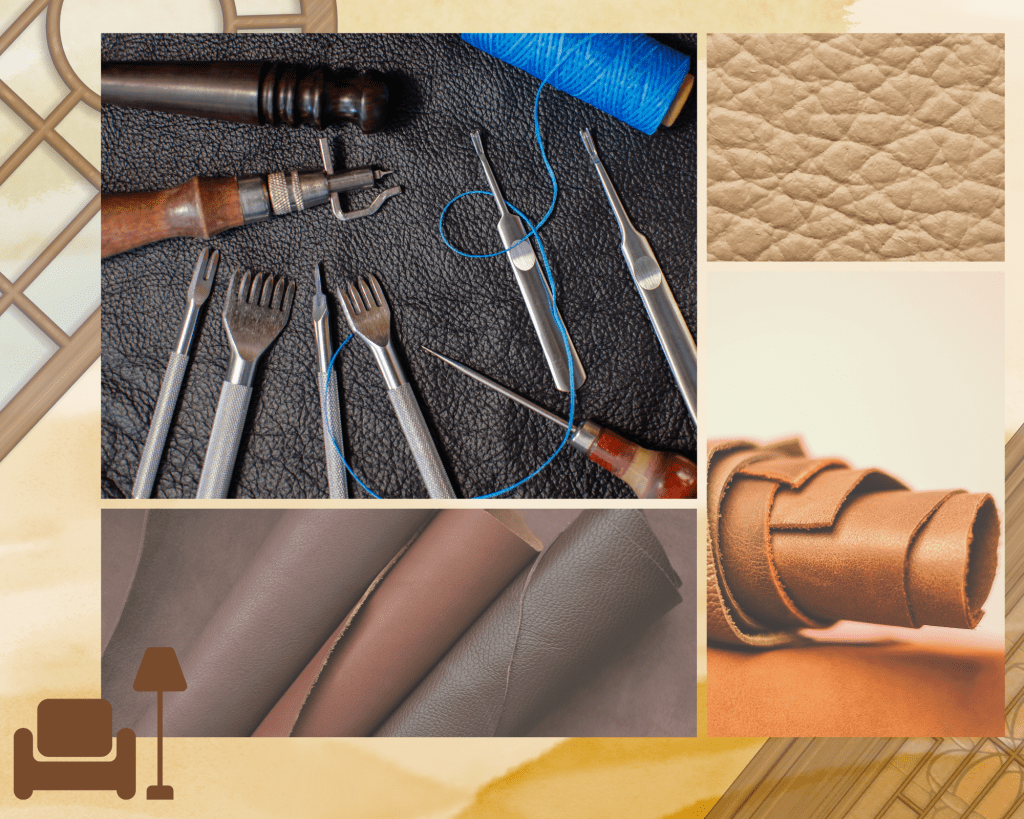
What is Genuine Leather? A complex question with an abundance of potential responses. Genuine leather has captivated the mind of people for millennia due to its opulent texture and strength. What makes leather “authentic,” though? Is it only a marketing word, or does it really denote greater quality?
When we speak to genuine leather, we mean leather manufactured from an animal’s real skin. It is a natural product that has undergone a thorough washing, tanning, and finishing procedure. Cows, goats, and sheep are the most often utilized animals to create genuine leather, although other creatures like alligators, snakes, and ostriches may also be employed.
The first step in making genuine leather is cleaning the skin to remove impurities and prepare it for tanning. Tanning uses chemicals to strengthen, waterproof, and rot-proof the skin. This can be done with natural or synthetic tanning chemicals. After tanning, the skin is ready for finishing with colors, coatings, and textures.
Many variables determine the quality of genuine leather, including the species of animal, the tanning process, and the finishing methods utilized. For instance, full-grain leather is the greatest quality since it utilizes the whole thickness of the animal’s skin and has a natural texture that is unique to each hide. In contrast, top-grain leather has been sanded down to eliminate flaws, making it thinner and smoother.
Compared to synthetic or imitation leather, genuine leather offers various benefits. It is more resilient, breathable, and water-resistant, making it excellent for items that must survive everyday wear and tear. Also, it ages gracefully and acquires a distinctive patina with time, which enhances its allure and personality.
Genuine leather does not, however, come without flaws. It may be costly and needs extra attention to maintain its quality and look. It is also not ecologically friendly since the tanning process requires chemicals that, if not disposed of correctly, may be harmful to the environment. Despite these drawbacks, genuine leather continues to be a popular option among people who respect its natural beauty and durability.
Discovering the Advantages and Disadvantages of Genuine Leather: What Is It?
Genuine leather is a centuries-old, luxurious, and natural product. Its quality depends on the animal, tanning, and finishing methods. Genuine leather is used in clothes, footwear, and accessories.
Genuine leather comes from an animal’s skin. It is a natural product that has been washed, tanned, and finished. Cows, goats, and sheep are the most common animals used to make leather, although alligators, snakes, and ostriches are also utilized.
Genuine leather has a luxury feel, which is one of its most enticing qualities. It has a silky, supple texture that is pleasant to the touch. This is because animal skin contains natural oils and fats that give leather its pliability and suppleness.
Durability is another benefit of genuine leather. It may endure for years with careful care and maintenance, making it a good investment for many items. Leather items, such as shoes, backpacks, and jackets, are often more costly than their synthetic equivalents, but their longevity makes them a superior long-term investment.
Shoes and handbags are often made of genuine leather because it’s water-resistant. The tanning process makes leather water-resistant, so it can withstand rain without deforming.
While genuine leather offers numerous advantages, it is vital to recognize that not all leather items are produced equally. When referring to lower-quality leather goods created from scraps or inferior animal skins, the phrase “genuine leather” might sometimes be used. These goods could not be as tough or as soft as leather goods of better grade.
It is crucial to search for particular qualities in order to verify that you are purchasing a high-quality leather goods. For example, full-grain leather is an excellent sign of quality since it employs the whole thickness of the animal skin and has a natural texture that is unique to each piece. Top-grain leather is another excellent choice, but it is less durable than full-grain leather since it has been sanded to eliminate defects.
Genuine leather offers advantages but also disadvantages. It may be costly and needs extra attention to maintain its quality and look. It is also not ecologically friendly since the tanning process requires chemicals that, if not disposed of correctly, may be harmful to the environment.
Genuine leather is a natural substance that is renowned for its rich feel, durability, and resistance to water. It is used in a variety of goods, including footwear, purses, coats, and furniture. While there are certain disadvantages to utilizing genuine leather, such as its price and environmental effect, it remains a popular option among consumers who value quality and durability in their goods.
Understanding the Many Varieties of Genuine Leather
What Is Genuine Leather? Genuine leather is a natural material that has been used to produce high-quality goods for millennia. It is manufactured from the skins of animals such as cows, goats, and pigs, and is renowned for its resilience and opulent texture. Genuine leather comes in a variety of forms, including full-grain, top-grain, suede, and nubuck. There are also exotic leathers available, such as ostrich, snake, and alligator. Each kind of genuine leather has its own own traits and attributes, therefore it is crucial to pick the best one for your needs depending on aspects such as durability, texture, and maintenance requirements. You may enjoy durable, high-quality items for many years if you choose genuine leather carefully.
While seeking for high-quality leather items, many individuals inquire, “What is genuine leather?” Genuine leather is a form of leather produced from an animal’s hide or skin, such as that of a cow, pig, or sheep. It is a natural substance that is noted for its durability, strength, and exquisite feel.
Genuine leather is a sustainable and environmentally favorable alternative to synthetic leather, which is manufactured of plastic or other artificial materials. With careful care and upkeep, it may survive for many years and is biodegradable.
When purchasing genuine leather goods, it is vital to be informed of the many varieties of leather and their qualities. Genuine leather is available in a variety of textures and qualities, including full-grain leather, top-grain leather, suede leather, and nubuck leather.
Conclusion
Genuine leather is a natural commodity that has been cherished for generations because to its sumptuous feel, durability, and resistance to water. Genuine leather comes in a variety of forms, each with its own distinct traits and attributes. Although suede and nubuck leather are more sensitive and need extra care to retain their beauty, full-grain leather is the most resilient and long-lasting alternative. Exotic leathers like as alligator, snake, and ostrich may offer a distinctive touch to things, but they are also more costly and harder to work with.
It is important to choose the appropriate sort of genuine leather for your purposes and to be wary of inferior items that may be labeled as “genuine leather.” You can guarantee that you are purchasing a high-quality item that will endure for years with appropriate care and maintenance by checking for particular traits such as full-grain or top-grain leather.
While there are certain disadvantages to utilizing genuine leather, such as its price and environmental effect, it remains a popular option among consumers who value quality and durability in their goods. Whether you’re searching for a new pair of shoes, a trendy purse, or a robust leather jacket, genuine leather may deliver the sumptuous feel and long-lasting quality you want.
 Hey Singapore