
Meta Description: Learn how to use and clean your milk frother in Singapore with our expert tips. Discover the proper techniques for achieving the perfect froth and maintaining the longevity of your machine.
Learn the proper techniques for using a milk frother to achieve the perfect froth
Whether you’re a barista or a coffee lover, mastering the art of frothing milk can take your coffee-making skills to the next level. A good milk frother is an indispensable tool for creating the perfect froth for your cappuccinos, lattes, and other coffee drinks. To achieve the ideal froth, it’s important to learn the proper techniques for using a milk frother.
First and foremost, it’s crucial to choose the right type of milk for frothing. Whole milk is the best choice for achieving a creamy and dense froth, while skim milk produces a light and airy froth. It’s important to use cold milk, as this will help to create more foam and prevent scorching or curdling.
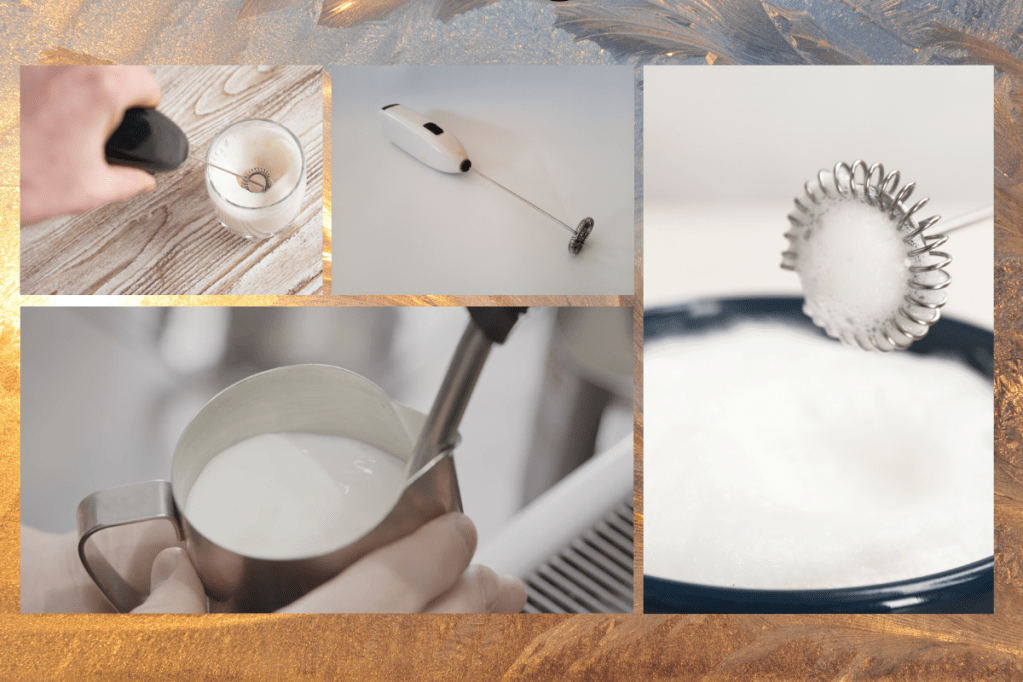
When using a handheld milk frother, begin by filling a small pitcher or cup with the desired amount of cold milk. Insert the frother into the milk, and turn it on to begin frothing. Move the frother in a circular motion to create a smooth and uniform froth. Be sure to hold the pitcher at an angle to allow air to circulate and create more foam.
For a more hands-off approach, electric milk frothers are an excellent option. Simply fill the frother with cold milk, and turn it on to begin the frothing process. Most electric frothers have different settings for creating different types of froth, from dense and creamy to light and airy.
Once your milk is frothed to perfection, it’s important to use it immediately to ensure the best taste and texture. Pour the frothed milk into your coffee or espresso, and enjoy!
In conclusion, learning the proper techniques for using a milk frother can take your coffee-making skills to the next level. Whether you’re using a handheld frother or an electric frother, choosing the right type of milk and using the correct techniques will help you achieve the perfect froth every time. So go ahead and experiment with different types of milk and frothing techniques to create delicious and satisfying coffee drinks.
Discover the best practices for cleaning your milk frother to maintain its longevity
Cleaning your milk frother regularly is crucial to maintain its longevity and ensure that it produces high-quality froth. Failure to clean your milk frother adequately can lead to a build-up of milk residues and bacteria, which can affect the taste and quality of your frothed milk. Therefore, it’s important to learn the best practices for cleaning your milk frother.
The first step in cleaning your milk frother is to unplug it and disassemble any removable parts. This will allow you to clean all the nooks and crannies of the frother effectively. Next, use a damp cloth or sponge to wipe down the exterior of the frother, removing any milk or other debris that may have accumulated on the surface.
For a more thorough cleaning, you can use warm soapy water and a soft-bristled brush to clean the frother’s removable parts. Be sure to rinse all the parts thoroughly and dry them completely before reassembling the frother. It’s essential to avoid using harsh chemicals or abrasive materials when cleaning your milk frother as these can damage the frother’s components.
Another effective way of cleaning your milk frother is to use a dedicated milk frother cleaner. These cleaners are specially formulated to dissolve milk residues and bacteria, leaving your frother clean and free of any odours. To use a milk frother cleaner, simply fill the frother’s reservoir with water and add the recommended amount of cleaner. Run the frother for a few seconds and then rinse the frother thoroughly with clean water.
In conclusion, cleaning your milk frother regularly is essential to maintain its longevity and ensure that it produces high-quality froth. By following the right cleaning practices, including disassembling removable parts, using warm soapy water or a dedicated milk frother cleaner, and avoiding harsh chemicals or abrasive materials, you can keep your milk frother in top condition and enjoy delicious frothy milk for years to come.
Find out how often you should clean your milk frother
If you’re a coffee or latte enthusiast, you probably use your milk frother on a regular basis. However, many people forget the importance of regularly cleaning their milk frothers, which can lead to a buildup of milk residue and bacteria. So, how often should you clean your milk frother?
The answer depends on how often you use it. If you use your milk frother every day, it’s best to clean it after each use. This will help to prevent any milk residue from building up and ensure that your frother stays in good condition. However, if you only use your frother occasionally, you can clean it once a week.
When cleaning your milk frother, it’s important to follow the manufacturer’s instructions. Some frothers are dishwasher-safe, while others require hand-washing. Be sure to use a mild detergent and warm water when cleaning your frother. Avoid using harsh chemicals or abrasive sponges, as these can damage the frother’s surface.
In addition to regular cleaning, it’s a good idea to descale your milk frother every few months. Descaling helps to remove any mineral buildup that may have accumulated over time. You can purchase descaling solution online or at your local home goods store. Follow the instructions carefully and be sure to rinse the frother thoroughly after descaling.
In conclusion, cleaning your milk frother is essential to maintaining its longevity and ensuring that it continues to produce high-quality frothed milk. By following the manufacturer’s instructions, using mild detergents, and descaling regularly, you can keep your milk frother in good condition and enjoy delicious frothed milk for years to come.
Get tips on how to troubleshoot common milk frother issues
As any milk frother enthusiast will tell you, a perfect froth is essential for that perfectly crafted latte or cappuccino. However, sometimes things can go wrong, and your milk frother may not be working as well as it should be. Don’t worry, as there are several common milk frother issues that can be quickly resolved with a bit of troubleshooting.
One of the most common issues with milk frothers is that the milk isn’t frothing correctly. This can be caused by a variety of factors, such as the wrong type of milk, the milk being too cold or too hot, or not enough milk being used. To resolve this issue, start by using fresh, cold milk and ensuring that the milk is at the correct temperature. If the frother still isn’t working correctly, try increasing the amount of milk you are using or adjusting the frother’s settings.
Another common issue is that the frother may not be producing enough steam. This can be caused by a clogged steam wand or an incorrect steam wand position. To resolve this issue, start by checking the steam wand and cleaning it if necessary. You may also need to adjust the steam wand’s position to ensure that it is in the correct position.
A third issue that can occur with milk frothers is that the frother may be producing too much foam or not enough foam. This can be caused by a variety of factors, such as the frother’s settings being incorrect, the wrong type of milk being used, or the milk being at the wrong temperature. To resolve this issue, start by adjusting the frother’s settings and using the correct type of milk. You may also need to experiment with the milk’s temperature to find the perfect temperature for producing the desired amount of foam.
Finally, a common issue with milk frothers is that they may be leaking. This can be caused by a variety of factors, such as a damaged or worn seal or an incorrect assembly. To resolve this issue, start by checking the frother’s seals and replacing them if necessary. You may also need to ensure that the frother is assembled correctly and that all components are tightly secured.
In conclusion, troubleshooting common milk frother issues can be a simple process that can help you to get the perfect froth for your coffee. By identifying the cause of the issue and making the necessary adjustments, you can get your milk frother back to working as good as new. With a little bit of practice, you’ll be frothing milk like a pro in no time.
 Hey Singapore