
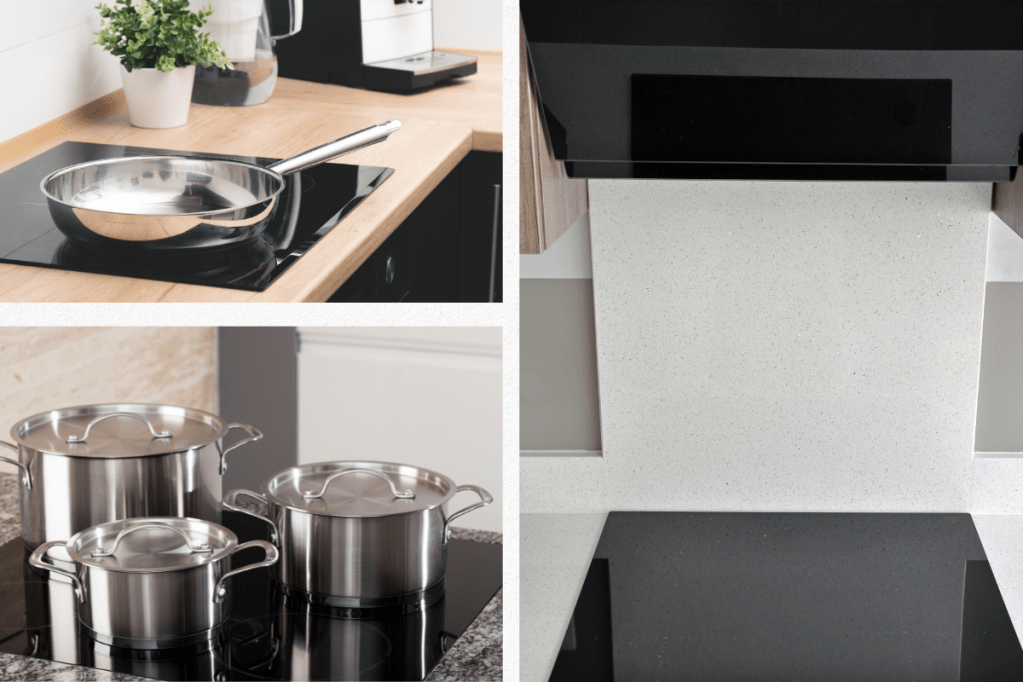
Induction hob cookers are the latest innovation in cooking technology, bringing a new level of precision, efficiency, and safety to the kitchen. In this comprehensive guide, we will delve into the world of induction hob cookers and explore their evolution, benefits, features, and future trends.
The Evolution of Induction Hob Cookers: From Concept to Reality
The evolution of induction hob cookers has been a long and winding road dating back to the early 20th century. In fact, the celebrated physicist Michael Faraday postulated the concept of utilizing the power of electromagnetic fields to heat cookware in 1831. Despite this groundbreaking theoretical work, it took several decades for the idea to manifest as the first induction hob cookers, which made their commercial debut in the 1970s. These days, induction hob cookers are a ubiquitous choice for both seasoned home cooks and seasoned culinary arts professionals, thanks to their many benefits.
The Physics behind Induction Hob Cookers: Electromagnetic Technology at its Best
The underlying mechanism enabling induction hob cookers to function as a highly effective cooking apparatus is fascinating. By harnessing the power of magnetic fields, these cookers can direct heat specifically to the cookware without heating up the surrounding cooking surface. This is all made possible through a scientific phenomenon called electromagnetic induction, which involves a complex interplay between an alternating electric current flowing through a coil and the ferromagnetic material of the cookware. The resultant eddy currents induced in the cookware create a potent source of heat that can be manipulated with remarkable precision and efficiency. The result is an unparalleled cooking experience that is quick and highly responsive to the cook’s every whim.
The Benefits of Induction Hob Cookers: Energy Efficiency and Precision Cooking
Induction hob cookers are undoubtedly one of the greatest inventions to grace the world of culinary technology. From their sleek, modern design to their impressive array of benefits, these cooking devices are genuinely in a class of their own. Regarding energy efficiency, induction hob cookers leave traditional gas and electric cooktops in the dust. Directing energy directly to the cookware minimizes heat loss and conserves precious energy resources in remarkable ways. But that’s just the tip of the iceberg, as the precision temperature control offered by induction hob cookers is nothing short of astonishing. Cooks can now quickly achieve the most delicate, nuanced flavors, thanks to the strict control provided by these devices. Finally, let’s remember safety. Induction hob cookers are a dream come true for anyone who’s ever been worried about the hazards of an open flame or a scorching hot surface. By eliminating these hazards, they offer peace of mind and a level of comfort that is truly unmatched.
Induction Hob Cookers versus Gas and Electric Cooktops: A Comparison of Features
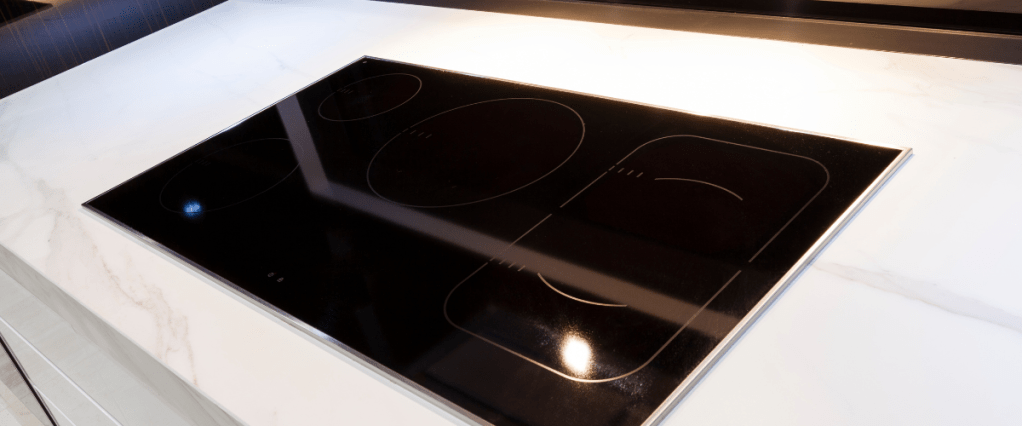
It’s not every day that a cooking device comes along that completely revolutionizes the kitchen experience, but that’s precisely what induction hob cookers have done. These devices are indeed a force to be reckoned with, offering an impressive array of features that put traditional gas and electric cooktops to shame. Let’s start with their speed of heating, which is simply unmatched. If you’re in a hurry and need to get dinner quickly, an induction hob cooker is a way to go. But it’s not just about speed – these devices also offer precision temperature control that is nothing short of extraordinary. Cooking delicate dishes with exacting temperature requirements has never been easier, thanks to the pinpoint accuracy of induction hob cookers. And let’s not forget about energy efficiency, another area where these devices genuinely shine.
They can transfer energy directly to the cookware, significantly minimizing heat loss and reducing energy waste. But that’s not all – induction hob cookers offer an even heating surface. They are far easier to clean than electric cooktops. Of course, there are some downsides to consider as well. For example, induction hob cookers require specific cookware, which can be a bit of a hassle. Additionally, they may be more expensive than traditional cooktops. But in the end, the benefits far outweigh the drawbacks, making induction hob cookers a must-have for any serious home cook or professional chef.
Understanding Induction Hob Cookware: The Role of Ferromagnetic Materials
Ah, the elusive and mysterious world of induction hob cookers – it’s a realm that can be both incredibly rewarding and frustratingly complex. Suppose you’re thinking about diving into the world of induction cooking. In that case, one of the first things you’ll need to remember is that these devices depend highly on your cookware. In fact, induction hob cookers are incredibly picky about the types of pots and pans you put on them. Specifically, they require cookware made of ferromagnetic materials, such as iron or steel, to induce the eddy currents necessary to generate heat. So if you’re trying to cook up a storm with your favorite copper or aluminum cookware, you’re out of luck. And even if you have the correct type of cookware, there are other things to remember. For example, the bottom of your cookware needs to be flat, and your bases need to be thick to ensure even heating across the surface of the pot or pan. These factors can be a bit overwhelming at first, but once you get the hang of it, cooking on an induction hob cooker is an absolute delight.
Maintenance and Cleaning of Induction Hob Cookers: Tips and Tricks
Induction hob cookers have a leg up on the competition regarding cleaning and maintenance. Unlike their gas and electric counterparts, induction cookers do away with pesky burners or grates that require intensive scrubbing to keep them looking their best. Instead, maintaining an induction hob cooker is as easy as giving it a quick wipe-down with a damp cloth after each use, followed by a non-abrasive cleaner for those particularly stubborn stains. It’s worth noting, however, that care should be taken when selecting cleaning products, as harsh chemicals or metal scouring pads have the potential to wreak havoc on the delicate glass surface of your induction cooker.
Safety Measures when Using Induction Hob Cookers: A Guide to Preventing Accidents
Despite their reputation for safety, it is still important to exercise caution when using induction hob cookers. For instance, you should use only cookware specifically designed for use on these devices and avoid placing any non-magnetic objects near the cooking surface to prevent the formation of hazardous hot spots. Furthermore, it is essential to keep an eye on children and pets around the cooking area and to steer clear of wearing loose clothing or jewelry that could become entangled with the cooker. Finally, always turn off the induction hob cooker once you have finished cooking and give it plenty of time to cool down before cleaning it.
Conclusion:
Induction hob cookers are indeed a game-changer in the world of cooking technology. Their energy efficiency, precision temperature control, and enhanced safety features are just the tip of the iceberg when it comes to their remarkable benefits. With the rapid pace of technological advancement, it’s clear that induction hob cookers will only continue to become more sophisticated and user-friendly, offering an ever-expanding array of features and innovations to enhance the cooking experience. And with their unparalleled ability to reduce energy consumption and promote sustainability, there’s no doubt that induction hob cookers will play an increasingly vital role in the kitchens of the future.
 Hey Singapore