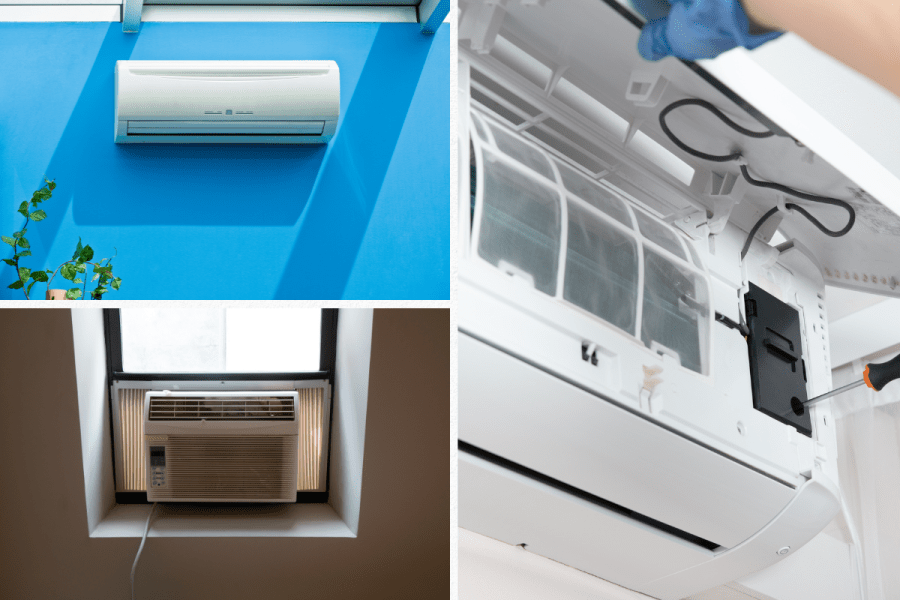
As temperatures soar in the summers, a comfortable living space is a must. Air conditioning units have been around for quite some time, and people have relied on them for years to stay cool and comfortable indoors. HVAC systems come in various shapes and sizes, but one type that is often overlooked is the single-unit air conditioner. In this article, we will explore this particular system and its advantages and disadvantages.
Solitary Air Conditioning Systems
Modern living requires air conditioning systems, which are essential. These systems aid in preserving a comfortable environment, maintaining an ideal temperature, and enhancing indoor air quality. The single-unit air conditioner stands out as a special alternative among the numerous types of air conditioning units that are offered.
Single-unit air conditioners are independent devices that can only chill a single room or area at once. These systems are flexible and adaptive to different room sizes because of their variable sizes and cooling capacities. Some appliances may be moved from one room to another while others are set in place and are only capable of cooling a particular space.
Advantages of Single-Unit Air Conditioners
Many residential and commercial properties prefer single-unit air conditioning systems due to their many benefits. These systems give the following benefits:
- Installing a single-unit air conditioner is easier than installing a central air conditioning system. They are operational within a few hours and require minimum ductwork.
- Single-unit air conditioning units are more cost-effective than central air conditioning units. They are a fantastic option for folks with little funds.
- Single-unit air conditioners require less energy than central air conditioning systems, making them an environmentally responsible option.
- Single-unit air conditioners are available in a range of sizes and cooling capacities, making them suited for a variety of room and space sizes. They can be movable or permanently installed.
Disadvantages of Single-Unit Air Conditioners
While single-unit air conditioning systems offer several advantages, they also have some disadvantages that should be considered before making a purchase. Here are some of the drawbacks of these systems:
- Limited Cooling Capacity: Single-unit air conditioners can only cool one room or space at a time. If you need to cool multiple rooms or spaces, you will need to purchase multiple units.
- Noisy: Single-unit air conditioners can be noisy, especially the portable ones. They can produce a loud hum or buzzing noise that can be distracting.
- Maintenance: Single-unit air conditioning systems require regular maintenance to keep them running efficiently. Filters need to be cleaned, and the refrigerant needs to be checked and recharged periodically.
Alternative Cooling Options to Single-Unit Air Conditioners
Despite the fact that single-unit air conditioners are a fantastic option for some, other cooling methods may be more suitable for others. Here are several:
- Central air conditioning systems are useful for cooling an entire home or structure. These systems require ducting and may cost more to install than single-unit air conditioners. Yet, they provide uniform and efficient cooling throughout the entire structure.
- Window Air Conditioning Units Window air conditioning units resemble single-unit air conditioners but are meant to fit in windows. These machines are more powerful than portable single-unit air conditioners and less expensive than central air conditioning systems. Unfortunately, they may be difficult to install and noisy.
- Evaporative Coolers: Evaporative coolers are an environmentally beneficial alternative to conventional air conditioning machines. They utilize water to chill the air and are appropriate for arid climates. These systems are less expensive and less energy-intensive than air conditioning equipment. However, their effectiveness may be diminished in humid areas.
Factors to Consider Before Purchasing a Single-Unit Air Conditioner
There are a few things to think about if you’re thinking about getting a single-unit air conditioner before you decide:
- Room Size: Take into account the size of the space you wish to cool. Choose a single-unit air conditioner based on the room size as they have different cooling capacity.
- Noise Level: If you are sensitive to noise, consider purchasing a fixed single-unit air conditioner rather than a portable one. Fixed units tend to be quieter and more efficient.
- Energy Efficiency: Look for an Energy Star certified single-unit air conditioner. These units are designed to consume less energy and can help you save money on your electricity bill.
- Maintenance Requirements: Consider the maintenance requirements of the unit you are considering purchasing. Some units require more maintenance than others, so choose one that fits your lifestyle and schedule.
Maintenance Tips for Single-Unit Air Conditioners
Regular maintenance is essential to keep your single-unit air conditioner running efficiently and effectively. Here are some maintenance tips to help you keep your unit in good working order:
- Clean or Replace Filters: Dirty filters can restrict airflow and reduce the efficiency of your air conditioner. Clean or replace the filters every three months or more often if you have pets or allergies.
- Check the Condenser Coils: The condenser coils are responsible for releasing heat from the air conditioner. Dirty coils can reduce the efficiency of the unit. Clean the coils annually or as needed.
- Check the Refrigerant Levels: Low refrigerant levels can cause your air conditioner to work harder than it needs to, leading to increased energy consumption and higher electricity bills. Check the refrigerant levels annually and have them recharged if necessary.
- Check the Drainage System: Make sure the drainage system is clear of any debris or obstructions. A clogged drainage system can cause water damage and reduce the efficiency of your air conditioner.
- Check the Electrical Connections: Loose or corroded electrical connections can cause your air conditioner to malfunction or even fail. Check the connections annually and tighten or replace as needed.
- Schedule Professional Maintenance: While you can perform some maintenance tasks yourself, it is a good idea to schedule professional maintenance annually. A professional technician can inspect your air conditioner, identify any potential issues, and perform any necessary repairs or maintenance.
Conclusion
Single-unit air conditioners offer several benefits, such as affordability, energy efficiency, and easy installation. However, regular maintenance is essential to keep them running efficiently and effectively. Clean or replace filters, check condenser coils, refrigerant levels, drainage system, and electrical connections regularly. Additionally, schedule professional maintenance annually to ensure your unit is in good working order. By following these maintenance tips, you can extend the life of your air conditioner and keep your living space comfortable and cool.
 Hey Singapore