
Discover the creative and unique ways wood planks in Singaporean architecture are being used and designed from traditional to modern, indoor to outdoor spaces.
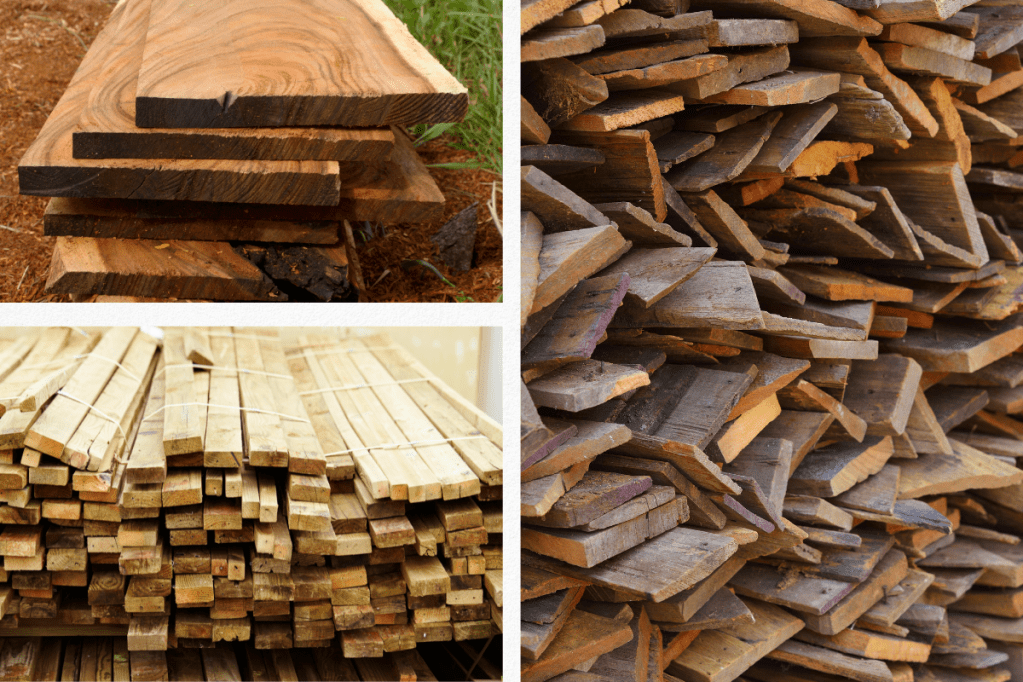
The Incorporation of Wood Planks in Singaporean Traditional Architecture
For generations, wood planks have been used in traditional Singaporean buildings. Houses, temples, and other places of worship employ these boards. Wood planks are an important feature of Singapore’s traditional architecture, which blends Malay, Chinese, and Indian styles. The traditional building uses wood boards for aesthetic and functional reasons. Wood planks insulate against tropical heat and humidity and add a natural, warm feel to interior areas.
Wooden planks with exquisite carvings are a hallmark of Singaporean traditional buildings. Crafted by talented artisans, these sculptures are generally inspired by flowers, foliage, and animals. The carvings enhance the structures’ aesthetics and represent the community’s culture and religion. Wooden planks are sometimes painted in bright colors to enhance their visual appeal.
Due to changing lifestyles and the availability of alternative construction materials, wood planks in traditional architecture have disappeared. Traditional architecture is gaining popularity again, and Singapore is working to conserve and promote it. One such endeavor is using wood planks in modern buildings to merge the ancient with the new and create a distinctive and sustainable aesthetic.
The modern architecture uses wood boards for more than just preservation. Contemporary architects and designers are using wood planks in novel ways to create a unique and eco-friendly aesthetic. Wood boards are being utilized on facades and interiors to create warm, inviting environments that mirror nature.
The Modern Applications of Wood Planks in Contemporary Interior Design
Due to their inherent beauty and adaptability, wood planks have always been popular in interior design. Wood planks are utilized in contemporary interior design to feature walls, flooring, and furniture. Wood planks in interior design may bring refinement, elegance, and warmth.
Feature walls are a prominent use of wood planks in modern home design. Feature walls establish a focal point in the room and showcase a certain feature. A feature wall made of wood planks provides depth and dimension to the area. Wood planks may be combined in different patterns and textures to produce a personalized design that matches the homeowner’s preferences.
Wood planks are extremely prominent in modern interior design. Hardwood floors are ageless and may be utilized in many home design styles, from rustic to modern. Wood planks provide a warm and inviting ambiance, and the inherent variances in the wood grains offer character and authenticity.
The modern interior design uses wood planks to make fashionable, useful, and eco-friendly furniture. Hardwood tables, chairs, and cupboards offer a natural, organic feel to the area and may be customized to the homeowner’s demands.
The Integration of Wood Planks with Other Building Materials for a Unique Aesthetic
Wood planks may be utilized alone or with other building materials to produce a distinctive and personalized appearance. Wood planks used with glass, steel, or concrete may produce a modern and contemporary design that combines the warmth of wood with the industrial sense of these materials. To create a coherent design, wood planks must be carefully planned and executed.
Cladding external walls with wood planks is one technique to incorporate them into the architecture. Wood planks may warm up a glass or concrete facade. Wood planks and other construction materials may be utilized to create unique textures and patterns that provide depth and character to the building’s façade.
Wood planks may be used in interior design to produce a distinctive and personalized effect. Wood planks can be utilized as flooring and paired with a metal or glass stair railing. This gives a contemporary, industrial aesthetic that’s warm and inviting. Wood planks as accents on walls or furniture may also give the area a distinctive look.
Eco-friendly solutions include using wood planks with other building components. Reclaimed wood planks offer a rustic, natural character to the area while decreasing waste and contributing to sustainable building methods.
The Functional and Aesthetic Benefits of Using Wood Planks in Outdoor Spaces and Landscaping
Wood planks are great for landscaping and outdoor places too. Wood planks give natural beauty and warmth to outdoor settings. To create a useful and attractive outdoor area, wood planks may be used for decking, fencing, and more.
Decking is one of the most common outdoor uses of wood planks. Hardwood decking gives the outside space a natural, organic feel, and the wood grain differences offer character and authenticity. For often-used outdoor locations, wooden decking is sturdy and easy to maintain.
Fences made of wood planks give seclusion and security to outdoor spaces. Hardwood fence gives the room a natural, warm feel, and different wood plank types and textures may be combined to create a personalized aesthetic.
Raised garden beds, pathways, and retaining walls can be made using wood boards in landscaping. Wooden garden beds and pathways lend a rustic, natural character to the landscape. Wood plank retaining walls may beautify and function in the landscape.
The Creative Use of Wood Planks in Commercial and Public Spaces in Singapore
Wood planks may be used creatively in commercial and public places. Wood planks in these places provide a cozy, relaxing feeling. Singapore is noted for its inventive use of materials in commercial and public places, including wood planks.
In Singapore, wood planks are used to design restaurants and cafés. Hardwood details like feature walls, flooring, and furniture provide a pleasant, intimate ambiance for dining and socializing. Wood planks give the area a genuine, real feel that sets it apart from others.
Retail rooms are designed with wood planks to provide a cozy, relaxing feel. The use of wood planks as flooring or shelving gives the area a natural and organic sense and makes the items stand out. Retail areas with wooden elements represent the brand and personality of the business.
Wood planks may also be used creatively in parks and leisure places. Hardwood seats and tables give the area a natural, inviting vibe. Wood planks may also be utilized to make creative, interactive artworks and sculptures in public spaces.
Conclusion
Wood planks have been employed in traditional and modern building and interior design. Singaporean traditional architecture uses wood boards to express the community’s culture and religion. Wood planks are employed in new ways to create warm, inviting environments that mirror the natural surroundings in contemporary interior design. Wood planks are great for creating a distinct and individualized aesthetic in any place, whether on a feature wall, floor, or furniture.
Wood planks in architecture, interior design, outdoor settings, and gardening provide aesthetic and practical benefits. Wood planks’ adaptability and natural beauty make them ideal for creating distinct and personalized environments that reflect the homeowner’s aesthetic. Wood planks in outdoor spaces and landscaping produce a warm and inviting ambiance that combines with the natural surroundings while integrating them with other construction materials giving the place a modern and contemporary feel.
Singapore’s innovative usage of wood planks creates a cozy, relaxing environment in commercial and public settings. Restaurants, retail stores, and public places with wood planks represent the brand and personality of the business. Wood planks give the area a genuine, real feel that sets it apart from others. Singapore’s unique and creative usage of wood planks in commercial and public settings shows the adaptability and beauty of this material.
 Hey Singapore