
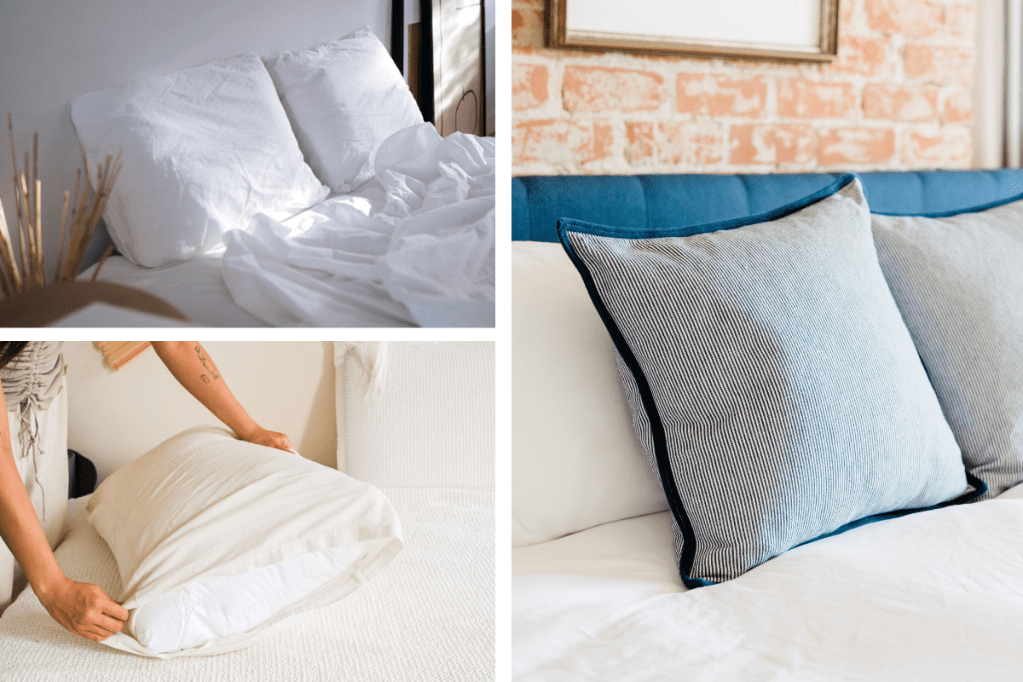
Have you ever pondered upon the frequency at which you should replace your pillows? It is a widely overlooked fact that pillows come with a shelf life and necessitate substitution every so often to guarantee a peaceful slumber. In this piece, we shall delve into the significance of changing your pillows, indications that point towards the necessity of pillow replacement, and how often to change pillows.
The Science Behind Pillow Replacement
Pillow replacement is important for a healthy sleep routine, even though it seems mundane. Pillows collect dust mites, microorganisms, and sweat over time, which is why they should be replaced. Especially for those with allergies or respiratory issues, such substances can harm one’s health. These elements also reduce the pillow’s effectiveness, causing poor sleep, neck, and shoulder pain, and other problems.
Pillow quality is a key factor in pillow replacement science. High-quality pillows last for years, while cheap ones need to be replaced more often. The pillow’s material and construction determine its durability, with natural fibers like down or memory foam lasting longer than synthetic materials like polyester. Cleaning, fluffing, and using a pillow protector prolong the pillow’s life.
Sleep patterns and preferences are other important factors in pillow replacement science. Sleeping on your side may wear out your pillows faster than sleeping on your back or stomach. Night sweaters may need to replace their pillows more often to avoid bacteria and other harmful substances.
In conclusion, pillow replacement science is essential for sleep hygiene and overall health. Quality, material, construction, care and maintenance, and sleep patterns all affect pillow longevity. Understanding the science behind pillow replacement is the first step to making informed decisions about pillow care and replacement, improving sleep quality and overall health.
Pillow Lifespan: Factors That Affect Its Durability
Pillows support us during the night and help us fall asleep. Pillows, like all things, have a lifespan, and several factors can affect their durability. Understanding these factors is crucial to knowing when to replace your pillows and get a good night’s sleep.
Quality is one of the biggest factors affecting pillow lifespan. Lower-quality pillows made of synthetic materials last less than those made of natural materials like down or memory foam. Well-made pillows provide more consistent support and resist wear and tear. Cleaning and fluffing the pillow regularly can also extend its lifespan.
Sleep position affects pillow longevity too. Pillows may wear out faster if people sleep on their sides. To prevent bacteria and other harmful substances from building up, people who sweat more at night may need to replace their pillows more often.
Finally, the pillow’s environment can affect durability. Sunlight, moisture, and heat can break down the pillow’s materials, shortening its lifespan. Pillows should be stored in a cool, dry place away from direct sunlight and high humidity.
When to Replace Your Pillow: Signs That It’s Time to Say Goodbye
Pillows help us sleep by supporting our neck and head. Pillows, like all things, have a lifespan, and understanding when to change them is important for sleep hygiene and wellness. These indicators indicate it’s time to replace your pillow.
As a pillow loses its form and support, it’s time to replace it. A decent pillow should keep its form and support your neck and head throughout the night. It should be replaced when it flattens or sags. The pillow’s lumpiness or clumpiness indicates that the stuffing has changed and is no longer supporting the head.
As your pillow is soiled or discolored, it’s time to replace it. Sweat, oils, and dead skin cells on pillows can cause stains and discoloration. These chemicals can also harbor germs, allergies, and other hazardous things that might affect your health. A pillow protector can assist, but it’s recommended to change your pillow every 1-2 years.
Finally, your pillow may need replacing if you wake up with a neck or shoulder aches. An old, worn-out pillow can cause neck and shoulder pain and poor sleep quality. A pleasant, pain-free sleep habit can be achieved by purchasing a new, high-quality pillow.
The Health Benefits of Regular Pillow Replacement
Pillow replacement is vital for optimal sleep hygiene and general wellness. Allergy avoidance is a major advantage of pillow replacement. Dust mites, mold, and other allergens can cause allergies and respiratory problems in pillows. By replacing pillows every 1-2 years, people can limit their exposure to these hazardous compounds and improve respiratory health.
Pillow replacement improves sleep quality. Aging pillows can cause discomfort, pain, and poor sleep, affecting overall health. A fresh, high-quality pillow ensures a comfortable and peaceful sleep pattern, improving mood, cognitive function, and physical health.
Regular pillow changing prevents germs, perspiration, and oils from building up. These compounds can harbor pathogenic germs that cause skin irritation, acne, and other health problems. People can decrease their exposure to these toxins and improve skin health by replacing their pillows periodically.
Choosing the Right Pillow to Maximize Longevity
Selecting the proper pillow is vital for enhancing lifespan and providing a comfortable and healthy sleep pattern. It can be hard to choose from so many options. When choosing a pillow, consider these factors.
The pillow’s stuffing is essential. Choose a material that meets your needs for support and comfort. Memory foam pillows are good for neck and shoulder pain, while down pillows are soft and good for stomach sleepers.
The pillow’s loft is also important. The loft should match your sleeping position, with side sleepers needing a higher loft than stomach or back sleepers. A pillow that’s too high or low can cause pain.
The pillow’s size is also important for a good night’s sleep. Comfort and sleep quality can be affected by a pillow that is too big or small. Some pillows are designed for neck and shoulder support, so the shape is important.
Finally, the pillow’s construction and quality determine its lifespan. Natural pillows last longer and provide more consistent support than synthetic ones. To prolong its life, buy a good pillow and care for it.
Conclusion
Understanding pillow lifespan factors is essential for good sleep hygiene and health. High-quality pillows, proper care and maintenance, sleep patterns, and the pillow’s environment all affect its lifespan. People can get a good night’s sleep by buying and caring for high-quality pillows.
Regular pillow replacement is essential for good sleep hygiene and health. By replacing pillows every 1-2 years, people can reduce their exposure to allergens and harmful substances, improve sleep quality, and prevent musculoskeletal issues. To get a good night’s sleep, buy a good pillow and take care of it.
For maximum longevity and a healthy sleep routine, choose the right pillow. Filling, loft, size, shape, quality, and construction all affect a pillow’s effectiveness and durability. Individuals can improve their mood, cognitive function, and overall health by choosing the right pillow and investing in a high-quality one.
 Hey Singapore