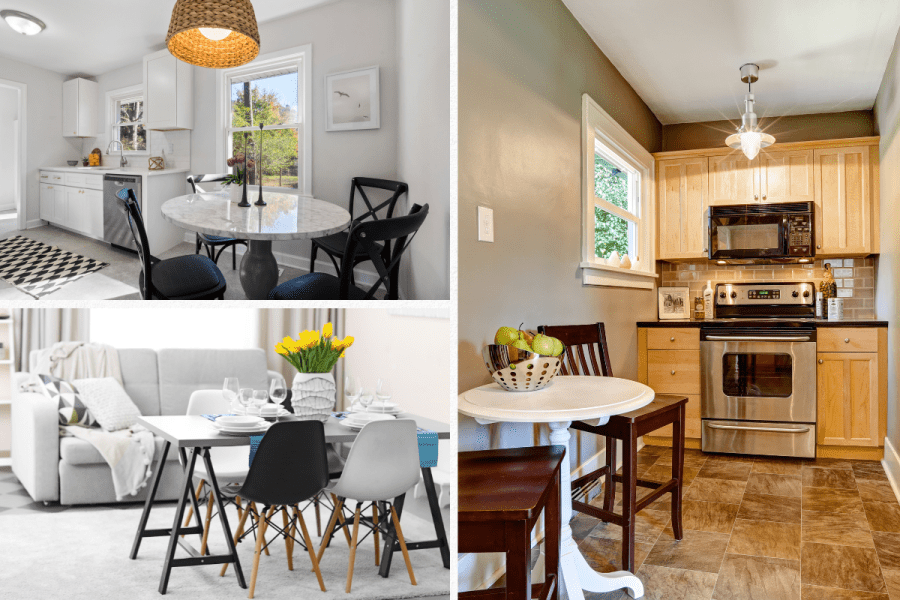
Are you struggling with a small dining area? Do you want to have a stylish and functional dining table that fits in your limited space? You’ve come to the right place. In this article, we’ll guide you through the world of dining tables for small spaces, from choosing the right size and shape to picking the perfect materials and styles.
The Importance of Dining Tables for Small Spaces
In a world when space is a luxury, it is essential to have a dining table that fits in your limited location. A dining table is not just a location where meals are consumed, but also a place where family and friends meet to share tales and create memories. Hence, it is necessary to have a functional and beautiful dining table to maximize your tiny space and create a nice atmosphere.
Choosing the Right Size and Shape
When selecting a dining table for a limited space, size and shape should be your primary considerations. Consider the following considerations:
Measure Your Space
Before buying a dining table, measure your space carefully. Consider the dimensions of the room, the distance from the walls, and the clearance space around the table. Make sure you leave enough space for the chairs to move freely, and the doors to open and close without obstruction.
Pick the Right Shape
The shape of your dining table can make a significant difference in maximizing your space. Here are some options to consider:
- Round Tables – Round tables are perfect for small spaces as they don’t have corners that take up valuable space. They also promote intimacy and conversation as everyone can see each other.
- Oval Tables – Oval tables have a similar effect to round tables, but they offer more surface area for food and drinks.
- Rectangular Tables – Rectangular tables are the most popular shape for dining tables, although they may not be ideal for compact areas. Yet, a rectangular table can maximize the space in a room that is long and narrow.
- Square Tables – As square tables can fit into corners and narrow places, they are a great alternative for tiny spaces. They are also ideal for a couple or a small family.
Consider Expandable Tables
If you frequently entertain guests or have a growing family, an expandable dining table can be a great investment. An expandable table allows you to extend the surface area when you need it and save space when you don’t.
Picking the Perfect Materials and Styles
Next, you should examine the material and design of your dining table. Here are some alternatives to consider:
Materials
- Glass – Glass tables can make a small space appear larger as they reflect light and don’t take up visual space. However, they can be challenging to maintain and may not be suitable for households with children or pets.
- Wood – Wood tables are durable, sturdy, and timeless. They come in a wide range of finishes, from natural to painted, and can fit any style, from traditional to modern.
- Metal – Metal tables are sleek, modern, and versatile. They come in various finishes, such as chrome, stainless steel, and brass, and can add an industrial or minimalist touch to your space.
Styles
- Mid-Century Modern – Mid-century modern tables are all about clean lines, organic shapes, and natural materials. They’re perfect for a retro or minimalist aesthetic.
- Farmhouse – Farmhouse tables are rustic, warm, and inviting. They often feature distressed wood, turned legs, and a natural finish.
- Scandinavian – Scandinavian tables are simple, functional, and minimalist. They often feature light wood, clean lines, and a neutral color palette.
Tips for Making the Most of Your Small Dining Space
Here are some additional tips to help you maximize your small dining space:
- Choose Light Colors – Light colors can make a small space appear larger and brighter. Opt for white, beige, or pastel colors for your walls and furniture.
- Use Mirrors – Mirrors can reflect light and create the illusion of more space. Hang a mirror on the wall or use a mirrored table to add depth to your dining area.
- Get Creative with Seating – Instead of traditional chairs, consider using benches, stools, or even floor cushions to save space and add a unique touch to your dining area.
- Invest in Storage – Storage is crucial in a small space. Consider getting a dining table with built-in storage or adding floating shelves to store your dishes, glasses, and utensils.
DIY Dining Tables for Small Spaces
If you’re on a budget or enjoy DIY projects, making your own dining table for your small space can be a fun and rewarding experience. Here are some ideas to get you started:
- Wall-mounted Drop-Leaf Table – A wall-mounted drop-leaf table is a space-saving solution that can be folded down when not in use. You can make one using a wooden board, hinges, and brackets.
- Pallet Table – A pallet table is a rustic and affordable option that can add character to your dining area. You can sand and paint a pallet and add legs or casters to make it a table.
- Trestle Table – A trestle table is a simple and versatile design that can fit in any style of home. You can make one using wooden boards, trestle brackets, and screws.
Before embarking on a DIY project, make sure you have the necessary tools and materials, and follow the instructions carefully. DIY dining tables can be a great way to personalize your space and save money, but they require time and effort.
Maintaining and Cleaning Your Small Dining Table
Once you’ve found the perfect dining table for your small space, it’s important to maintain and clean it properly to ensure it lasts for years to come. Here are some tips:
- Regular Cleaning – Wipe down your table with a soft, damp cloth after each use to remove any food or drink spills. Avoid using harsh chemicals or abrasive materials that can damage the surface.
- Protective Coating – If your dining table has a wooden or metal surface, consider applying a protective coating, such as varnish or wax, to prevent scratches and stains.
- Use Placemats and Coasters – Using placemats and coasters can protect your table from scratches, heat, and moisture. Make sure to use them for hot or cold dishes, drinks, and cutlery.
- Avoid Direct Sunlight – Direct sunlight can fade and warp your dining table’s surface over time. If your dining area receives a lot of sunlight, consider using curtains or blinds to block it.
- Regular Maintenance – Check your dining table’s legs, joints, and screws regularly to ensure they’re stable and tight. Tighten loose screws or bolts as needed.
By following these tips, you can keep your small dining table in excellent condition and enjoy it for years to come.
Conclusion
Dining tables for small spaces require careful consideration and planning, but they can add functionality and style to your home. From choosing the right size and shape to picking the perfect materials and styles, you can create a cozy and inviting dining area that fits your limited space. Don’t forget to get creative with seating, maximize storage, consider DIY options, and maintain and clean your table regularly. With the right approach, your small dining area can be a delightful place to gather with your loved ones and make cherished memories.
 Hey Singapore