
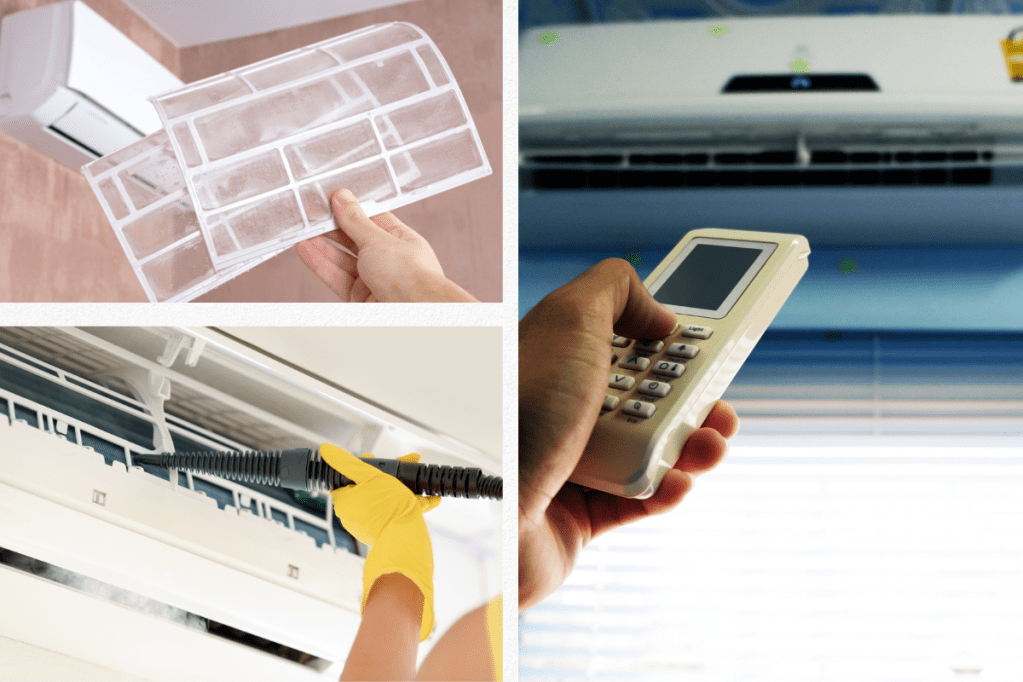
Are you familiar with the dry mode on your air conditioning system? It’s a useful setting that can help dehumidify your home or office, making it a more comfortable space to live and work in. In this blog post, we’ll explore the ins and outs of aircon dry mode, including what it is, how it works, and when to use it. So if you want to learn more about maximizing the benefits of your air conditioning system, read on!
Understanding the Purpose of Aircon Dry Mode
Aircon dry mode is a feature that is designed to reduce the humidity levels in a room. When the air conditioner is in dry mode, it sucks out moisture from the air, creating a more comfortable environment. Unlike cool mode, the dry mode does not release cold air, nor does it actively cool the room. Instead, the primary objective is to lower the humidity levels and make the air odor-free. This mode is particularly useful during the rainy season when the moisture levels are high. By using the aircon dry mode, homeowners can eliminate the musty smell that is typically present in homes with high humidity. Ultimately, understanding the purpose of aircon dry mode can help individuals utilize the function more effectively and create a more comfortable living space.
When to Use Aircon Dry Mode
When should you use the aircon dry mode? The purpose of the aircon dry mode is to reduce excess humidity or moisture in the air. It’s a valuable tool for when the weather is humid but not necessarily too hot. This can be especially helpful during rainy seasons or in places with high humidity levels. Excess moisture in the home can lead to the growth of mold and mildew, which can be harmful to health. Therefore, using dry mode can reduce the risk of such growth and help keep the home comfortable. In addition, dry mode is more cost-effective than cool mode and can be a good way to keep your energy costs down during humid days. However, it’s important to note that dry mode should not be used as a substitute for proper dehumidifiers. If you live in a particularly humid climate or have excessive moisture in your home, you may need to consider purchasing a separate dehumidifier.
Benefits of Using Aircon Dry Mode
One of the biggest benefits of using the aircon dry mode is the removal of excess moisture from the room. The conditioner absorbs the moisture in the air, resulting in a more comfortable and healthier environment. Excess moisture can lead to the growth of mold and mildew, which can cause health problems. In addition to removing moisture, aircon dry mode can also help with energy efficiency. By using only the fan to circulate air, the system uses less energy than when it is in the cooling mode. This can result in lower electricity bills and a reduced carbon footprint. Overall, using aircon dry mode can contribute to a more comfortable and healthy home or office environment while also being environmentally friendly.
Aircon Dry Mode vs. Cool Mode
The Aircon Dry Mode is often confused with the Aircon Cool Mode. The two modes serve different purposes. While Cool Mode is used to lower the temperature of the room or space, Dry Mode is used to regulate the humidity levels by removing excess moisture from the air. Dry Mode is ideal for spaces that are already cool but still have a high level of humidity. It is a more energy-efficient option compared to Cool Mode as it does not require the compressor to work as hard. Using Dry Mode also helps prevent excess moisture that could lead to mold and mildew growth. It is essential to understand the difference between the two modes to effectively use the air conditioner and achieve desired results.
The Function of Aircon Dry Mode
The function of aircon dry mode is to remove excess moisture from the air and decrease humidity levels in a room. This mode works by extracting humid air into the unit, which is then dried on the evaporator. It is often used during humid seasons, such as spring and fall, or on rainy days. Unlike cool mode, aircon dry mode doesn’t actively cool the room, but rather works to make the air more comfortable by reducing moisture levels. By using aircon dry mode, homeowners can prevent the growth of mold and mildew or other health hazards associated with excess moisture in the home. Proper aircon maintenance and using aircon dry mode can improve indoor air quality and increase the lifespan of the unit.
Implications of Excess Moisture in the Home
If unchecked, excess house dampness may cause issues. Mold development is one of the biggest health risks of excessive humidity. Condensation may degrade surfaces and cause structural difficulties. Moisture attracts termites, cockroaches, and musty smells. High humidity worsens allergies and respiratory issues. So, the aircon dry mode feature is essential for maintaining a healthy household humidity level.
How to Set Up Aircon Dry Mode
To set up aircon dry mode, one must first press the mode button and select cool. Then, adjust the previous settings according to personal needs using the air conditioner remote control. The remote control will save these settings, and when the air conditioner operating button is pressed, it will activate the dry mode. In this mode, the air conditioner removes moisture and dries the water in the air, reducing humidity and providing a fresh, comfortable atmosphere. If the remote control is not available, the indoor unit’s on/off button can also operate the air conditioner. It is essential to understand the purpose of aircon dry mode, its benefits, and when to use it to maintain proper air quality levels in the home. Regular aircon maintenance also helps ensure optimal performance and energy consumption.
Electricity Consumption in Different Aircon Modes
The electricity consumption of an air conditioner largely depends on the mode in which it is operating. The cool mode may consume more electricity compared to the dry mode. However, the auto mode is the most energy-efficient as it adjusts the air conditioner to cool, heat or dehumidify as required by measuring the temperature in the room. Therefore, it’s essential to choose the right mode to save electricity and reduce your energy bills. Savings can be achieved by avoiding excessive cooling, which improves the efficiency of the devices. Hence, it’s crucial to understand the purpose of the different modes before using the air conditioner. Moreover, regular maintenance of the air conditioner will ensure that it runs smoothly, thereby reducing its energy consumption.
Importance of Proper Aircon Maintenance
Proper aircon maintenance is crucial in ensuring that your unit runs efficiently and lasts longer. Regular cleaning and replacing of parts can prevent malfunctions and breakdowns, saving you money on repairs and replacement costs. Neglecting to maintain your aircon can also lead to increased energy consumption, as a dirty unit has to work harder to cool your room. In addition, a poorly maintained aircon could lead to poor indoor air quality, which can trigger allergies and respiratory issues. It is recommended that you schedule an annual maintenance check-up with a professional technician to ensure that your unit is running at its best. By taking care of your aircon, you can enjoy a comfortable and healthy living environment.
Conclusion
In conclusion, understanding the purpose and benefits of aircon dry mode is essential in utilizing your air conditioner to its full potential. It is important to know when to use it, especially when dealing with excess moisture in your home. While aircon cool mode remains the primary function of air conditioners, aircon dry mode is also helpful in reducing humidity levels and maintaining a comfortable indoor environment. It is crucial to set up the aircon dry mode correctly and to regularly maintain your air conditioner to ensure its optimal performance and energy efficiency. Ultimately, by incorporating the use of aircon dry mode in your air conditioning routine, you can create a more comfortable and healthy living space for you and your family.
 Hey Singapore