
Explore the intriguing history of living room design, from formal reception room to casual meeting spot. This insightful paper explores spatial psychology and inventive design ideas to maximize functionality and comfort.
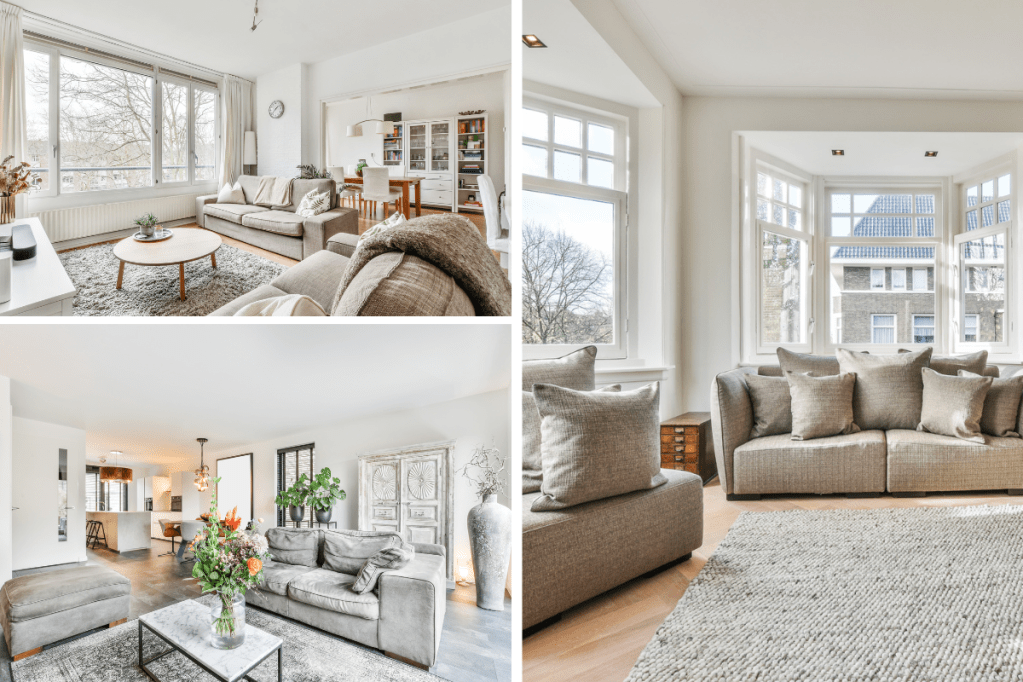
A Brief History of the Living Room: How Design Styles Have Changed Over Time
The living room, one of the most important rooms in any home, has changed dramatically over time. The room was formerly a formal reception area for high-profile guests. As society and cultural standards changed, so did the living room’s function and style.
Living room design in the Victorian era was lavish. Luxurious textiles, elegant furnishings, and elaborate décor were used to dazzle guests and indicate social rank. With Art Deco and Art Nouveau design principles emphasizing luxury and elegance, this style endured throughout the early 20th century.
In the mid-20th century, the living room changed more. Minimalist aesthetics with clean lines, simplicity, and functionality emerged from modernism in architecture and design. The living room became a more relaxed, comfortable area for everyday usage with this transition.
The living room continues to evolve as designers experiment with new materials, technology, and design ideas. From contemporary minimalism to warm maximalism, the living room’s possibilities for comfort and beauty are endless. Whether you choose a traditional, ornate style or a more modern, streamlined aesthetic, the living room is a place for creativity, self-expression, and leisure.
The Psychology of Space: How the Living Room Shapes Our Social Interactions
As an essential part of any home, the living room shapes our social interactions. Our living space affects our mood and conduct, so it’s not simply physical. For healthy social interactions in the living room, understanding space psychology is essential.
Our social interactions are affected by the living room’s layout and design. Seating configurations can improve or inhibit communication. Wide, open environments stimulate mingling, while smaller, intimate locations can foster deeper interactions and emotional intimacy.
Also, our attitude and emotions are affected by the living room’s decor and atmosphere. Vibrant, lively colors and natural lighting can boost energy and enthusiasm, while subdued tones and softer lighting can soothe and settle. The living room’s acoustics are particularly essential since furniture and décor can amplify or absorb noises, impacting the mood and environment.
The living room can affect our mental health as well as our social connections. A well-designed, practical living room can reduce tension and anxiety, while a cluttered, chaotic one might increase it. Hence, building a living room that encourages beneficial social interactions and a healthy mental state demands a comprehensive strategy that considers the occupants’ psychological and emotional needs.
In conclusion, the living room is a physical, psychological, and emotional area. Design, décor, and ambiance can alter our attitude, behavior, and social relationships. A living room’s layout, style, and atmosphere must be carefully considered to support positive social interactions and mental wellness.
The Impact of Technology on Living Room Design: From TVs to Smart Homes
Our living spaces reflect how technology has changed our lives. Technology, from TVs to smart homes, has transformed our living spaces. As technology advances, we must grasp how it affects living room design and how to maximize it.
The incorporation of entertainment equipment into living room design has been a major technological change. Living rooms now include TVs, sound systems, and gaming consoles, changing how we utilize them. Designers must now integrate technology into living room design rather than just adding it as an afterthought.
Smart houses have also influenced living room design. From lighting to temperature management to entertainment, smart houses incorporate technology into the living room. The result is a comfortable and efficient living area.
Technology also affects how we use our homes. Virtual and augmented reality are expanding living room design’s possibilities for immersive and entertaining experiences. Designers may experiment with new materials, layouts, and concepts to create living spaces without physical limits, which excites them.
Finally, technology has changed how we utilize and perceive living rooms. As technology advances, living room design must adapt to provide functional and attractive places. Designers may build distinctive living rooms that represent our changing times by embracing technology and all its potential.
From Focal Point to Cozy Corner: How Furniture Arrangements Have Evolved
From center point to cozy corner, living room furniture layouts have changed over time. Lifestyles, design choices, and how we use and interact with our living environments have changed.
The focal point arrangement, which featured a sofa or fireplace as the room’s main point, was popular in the past. Technology has reduced the necessity for a primary focus, and the focus has turned to creating comfortable, practical areas for relaxing and socializing.
The emergence of comfortable nook arrangements in living rooms has been one of the biggest changes. These arrangements prioritize comfort and intimacy, producing a warm and inviting ambiance that invites relaxation and conversation. Instead of a focal point, the cozy corner layout emphasizes comfy seats, soft lighting, and useful storage, making it ideal for hosting and relaxing.
Furniture arrangements are also more versatile and adaptable, allowing for more customisation and personalization. Adjustable lighting and sound systems may change a room’s atmosphere with a few touches on a mobile device, while modular furniture allows for different combinations.
In conclusion, living room furniture configurations have progressed from the classic center point setup to more modern and adaptable cozy nook setups. These improvements reflect modern homeowners’ needs for comfort, functionality, and individuality in their living areas. As we adopt new technologies and design ideas, living room furniture layouts will change.
Maximizing Functionality and Comfort: Innovative Living Room Design Solutions
Creating a functional and comfortable living room can be difficult, but with creative design solutions, it’s possible. From multi-functional furniture to clever storage solutions, designers are constantly pushing the limits to create beautiful and functional living rooms.
Multi-functional furniture maximizes functionality and comfort. Storage ottomans, sofa beds, and modular sofas provide comfortable seating, storage space, and flexibility.
Clever storage solutions are essential for keeping a living room organized and clutter-free. Built-in shelves, hidden storage compartments, and cleverly designed cabinets can provide ample storage space without sacrificing style, allowing homeowners to keep their living spaces clean and uncluttered.
Innovative living room design solutions have also been influenced by technology. Smart homes allow homeowners to easily control lighting, temperature, and entertainment systems.
In conclusion, creative design can make a living room functional and comfortable. Multi-functional furniture, smart storage, and smart technology can maximize a living room’s potential. Designers can reflect modern homeowners’ changing needs and lifestyles by embracing new ideas and concepts.
Conclusion
The living room has evolved from a formal reception room. It’s now a multipurpose room that suits modern homeowners’ needs. Designers are building gorgeous and functional living rooms using cutting-edge design and technology. The choices are unlimited, allowing homeowners to create distinctive living spaces with snug corners, multi-functional furniture, and ingenious storage solutions.
It will be fascinating to witness how designers and homeowners adapt to the changing role of the living room. There are constantly new methods to maximize this vital living area, whether it’s smart home technology or rearranging furniture. The living room is where we relax, mingle, and make memories, reflecting our lifestyles, personalities, and tastes.
 Hey Singapore