
You want to find the ideal chimney hood for your kitchen, don’t you? Check out our detailed guide on how to select the one that best meets your requirements while staying within your price range.
What is a Chimney Hood?
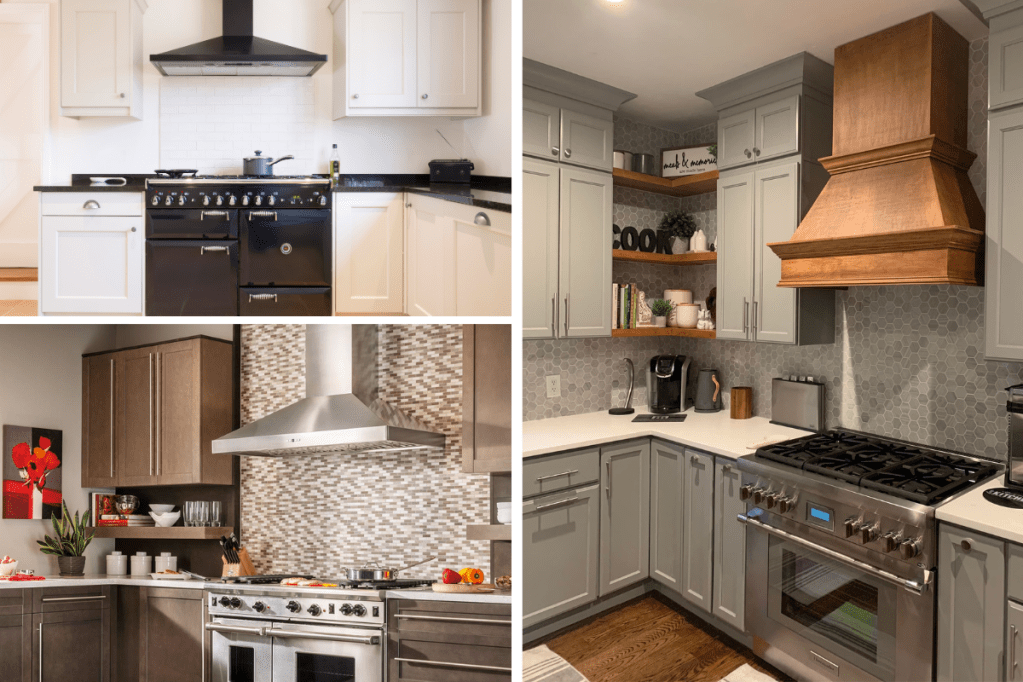
A chimney hood, often called a range hood or extractor hood, is required for every modern kitchen. A ventilation device over your stove or cooktop removes smoke, steam, and cooking odors. Air is sucked up and out of the kitchen by the chimney hood’s fan through ducts and pipes. This reduces fire dangers, grease and smoke buildup, and kitchen air quality.
Chimney hoods can be composed of glass, stainless steel, or copper. Ducted hoods are more effective but more difficult to install. Built-in lights and heat sensors that automatically regulate fan speed are available on some chimney hoods. A chimney hood’s main purpose is to improve kitchen air quality and enhance house décor.
The size of your kitchen, your cooktop or stove, and how much you cook should be considered when purchasing a chimney hood. The hood’s loudness, maintenance, and energy efficiency should also be considered. Smoke, steam, and cooking odors can be eliminated from your kitchen with the right chimney hood.
Finally, a chimney hood is essential for any busy kitchen. It’s a powerful appliance that cleans the air and adds style to your kitchen. By taking the time to choose the correct chimney hood for your house, you can enjoy a safer and more comfortable cooking experience with better air quality and a more pleasant environment for yourself and your family.
Why Do You Need a Chimney Hood in Your Kitchen?
Any kitchen that generates a lot of cooking smoke, grease, and heat needs a chimney hood. Without proper ventilation, cooking smoke and fumes can build up and create respiratory concerns, unpleasant aromas, and damage to your kitchen’s surfaces. Installing a chimney hood keeps your kitchen clean, hygienic, and odor-free and protects your health.
Air from the kitchen is drawn into a chimney cowl and expelled through a duct. As air is drawn in, it goes through filters that trap grease, smoke, and other particles, keeping them from entering the kitchen. The filtered air is released outdoors, leaving your kitchen clean and fresh. For kitchens with a lot of frying or grilling, a chimney hood works best.
Chimney hood designs range from modern to rustic. The trick is to choose a hood that suits your kitchen’s aesthetic and fits the cooking range or stove it will be installed over. Noise, energy efficiency, and maintenance are also vital when choosing a chimney hood.
A chimney hood is vital for every kitchen that needs sufficient ventilation. Whether you’re a professional chef or a home cook, a chimney hood may make cooking more pleasant and safe. If you want to update your kitchen, buy a good chimney hood.
Factors to Consider When Choosing a Chimney Hood
Chimney hoods are necessary in modern kitchens. With so many models on the market, picking one might be difficult. Several variables must be considered to make the proper conclusion.
Your kitchen’s size and cooking range should be considered first. A little hood won’t remove smoke and odors, while an enormous one may appear odd and not work well. The cooktop and cooking method should also be addressed.
Second, examine the hood’s suction power and loudness. Suction power is measured in cubic feet per minute (CFM) and should be proportional to cooktop size. A high CFM rate helps swiftly eliminate smoke and odors, but it’s loud. Thus, search for hoods with low noise levels or sound-dampening characteristics.
Lastly, the hood’s design and aesthetics are important. It should complement your kitchen’s decor. Chimney hoods come in classic and modern styles and materials like stainless steel and tempered glass.
Maintenance and cleaning should also be considered. Some chimney hoods have dishwasher-safe filters for easy cleaning.
When choosing a chimney hood, size, suction power, noise level, design, and upkeep all important. Your kitchen’s usefulness, aesthetics, and air quality will improve with a well-chosen chimney hood.
How to Install a Chimney Hood in Your Kitchen
Installing a kitchen chimney hood can be easy with the correct tools and knowledge. Make sure your chimney hood fits your stove and kitchen layout. Installing the chimney hood requires appropriate ventilation. Installation can commence after these factors are resolved.
Disconnect the wiring and turn off the range hood. Attach the mounting bracket to the wall with screws and anchors. Next, attach the ductwork to the chimney hood and mounting bracket. To prevent leaks, ductwork must be securely secured and sealed. Next, test the chimney hood by reconnecting the wiring and turning it on.
It’s preferable to hire a pro if you’re not sure how to install it. Installing securely and efficiently requires a licensed electrician or contractor. Bear in mind that faulty chimney hood installation might cause inadequate ventilation and safety issues.
Placing a chimney hood in your kitchen improves air quality and functionality. You can guarantee your chimney hood works efficiently and safely by considering the criteria listed and following installation instructions.
Maintenance and Cleaning of a Chimney Hood
Any kitchen needs a chimney hood to remove smoke, steam, and odors. Regular maintenance and cleaning are needed for optimal performance and longevity. Grease and debris can build up on the chimney hood and cause it to malfunction or catch fire. How to clean and maintain your chimney hood.
To avoid grease and debris buildup, clean the chimney hood monthly. After removing the filters, immerse them in warm, soapy water for 15 minutes. Rinse the filters with hot water and let them dry before replacing them in the hood. Wipe the chimney hood outside with a moist cloth and mild detergent.
Cleaning and inspecting the chimney hood’s components are essential. Look for problems like filter fractures or external dents. To avoid safety issues, replace broken parts immediately. Check and clean the fan and motor.
Replace chimney hood filters when needed. Filters may need to be updated every three to six months, depending on hood use. Replace filters to improve airflow and performance. Replace filters for your chimney hood model.
Finally, get the chimney hood repaired annually if you use it often. Professionals clean, check, and repair the hood. This maximizes the hood’s performance and lifespan.
Conclusion
Finally, a chimney hood is an essential kitchen appliance that needs regular maintenance and cleaning. The hood’s performance and safety depend on regular filter cleaning, inspection, and replacement. Following these suggestions and having the chimney hood properly repaired annually will preserve its longevity and efficiency.
 Hey Singapore