
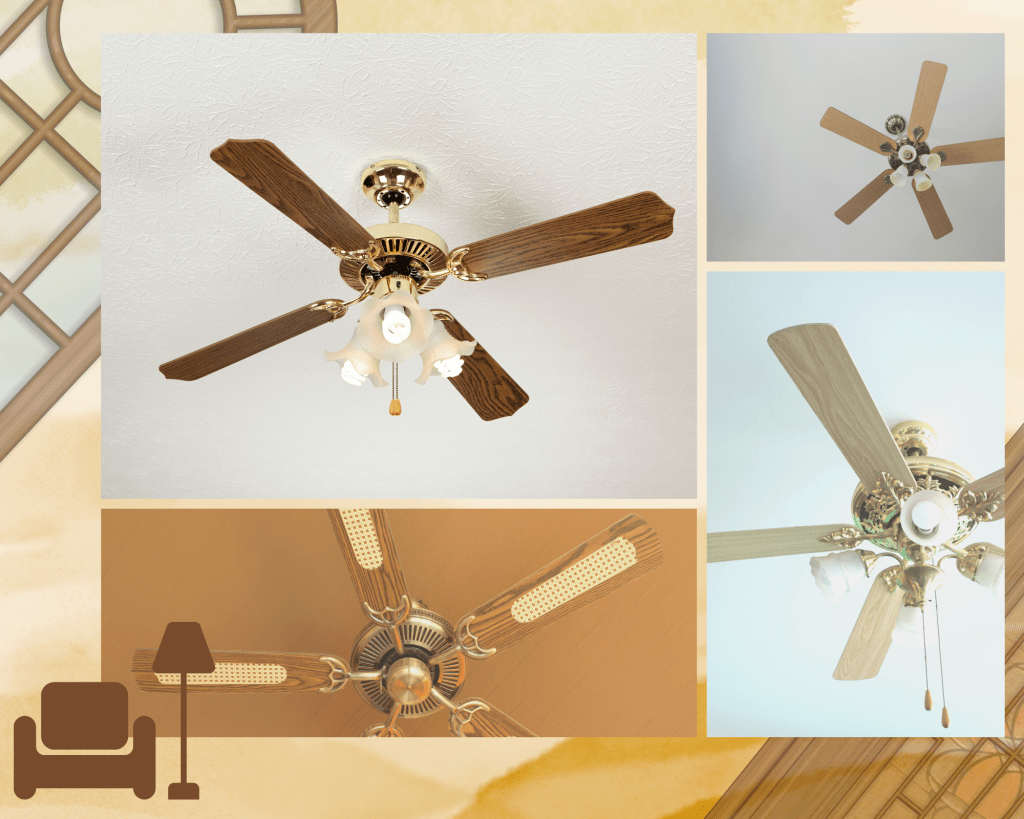
Have you ever wondered how air circulates in a room, how airplanes stay aloft, or how wind turbines generate electricity? The art and science of creating airflow, or fan design, holds the key to the solution. Fans are ubiquitous in our lives, from ceiling fans and desk fans to industrial fans and exhaust fans. They move air, cool spaces, and ventilate buildings, thereby improving our comfort and efficiency. However, it is not simple to design a fan that performs well, consumes less energy, and adheres to safety standards. It necessitates a thorough understanding of fluid dynamics, materials science, and mechanical engineering.
The idea of a fan dates back to ancient civilizations, when people used handheld fans to cool themselves. However, mechanical fans were not invented until the 19th century. Schuyler Wheeler patented the first electric fan in 1882, and fan design has significantly changed ever since. Fans today come in a variety of sizes and shapes, from tiny micro fans used in electronic devices to enormous fans used to cool industrial plants.
By rotating blades or impellers, a fan primarily produces airflow. The blades push air forward or backward, creating a pressure difference that causes air to flow. The shape, size, number, and speed of the blades, as well as the density, viscosity, and temperature of the fluid being moved, all have an impact on the airflow rate, pressure, and power consumption of a fan. Therefore, designing a fan that satisfies specific requirements, such as airflow rate, pressure, noise level, and energy efficiency, necessitates a thorough analysis of all these factors.
One of the most crucial parts of fan design is blade geometry. The design and curve of the blades impact how effectively the fan can circulate air and how much energy it uses. Blades may be straight, curved, or twisted, and their form can be tailored for certain uses, such as minimal noise, high pressure, or high airflow. The materials utilized to create the blades also have a critical impact in fan performance. They must be sturdy, lightweight, and resistant to fatigue, corrosion, and erosion. Some popular materials used for fan blades include aluminum, steel, titanium, and composite materials.
Another key feature of fan design is aerodynamics. The airflow around the blades is a complicated process that may be described using computational fluid dynamics (CFD) models. CFD helps designers to tune the blade form, angle, and speed to maximize airflow while reducing turbulence and noise. CFD also assists designers to anticipate the performance of the fan under varied operating circumstances, such as varying speed, temperature, and humidity.
In addition to performance, fan design also addresses safety and environmental issues. Fans must be constructed to avoid mishaps, such as blade disintegration, motor overheating, or electrical failure. They must also conform with international standards and laws, such as the European Union’s Eco-design Regulation, which establishes minimum energy efficiency criteria for fans. Additionally, fans may have a substantial influence on indoor air quality and energy consumption, particularly in buildings. Thus, fan design must include consider ventilation, filtration, and energy recovery systems.
Fan design is a fascinating and complex area that blends science, engineering, and art. Fans are vital for our everyday life and play a key role in various sectors, such as HVAC, aircraft, and renewable energy. Fan designers must balance performance, safety, and environmental issues to build fans that fulfill the different demands of users and stakeholders. As technology progresses and new materials and processes emerge, fan design will continue to change, making our society more pleasant, efficient, and sustainable.
Improvements in Fan Design
The subject of fan design has undergone tremendous developments in recent years, driven by technology breakthroughs and increased demand for energy-efficient and ecological solutions. These are some of the newest trends in fan design:
Smart Fans: With the Internet of Things (IoT), fans may be remotely controlled by smartphones or voice assistants. Smart fans can adjust speed, direction, and airflow based on user preferences and environmental parameters like temperature and humidity. They may also provide real-time data on energy consumption and air quality, allowing clients to enhance efficiency and reduce carbon impact.
Additive Manufacturing: 3D printing has revolutionized the manufacture of fan blades, allowing designers to create complex geometries and unique shapes. Additive manufacturing reduces waste, prices, and lead times. 3D-printed fan blades may be made from bio-based polymers or nanocomposites with superior biodegradability, thermal conductivity, and robustness.
Biomimicry: Nature has inspired numerous advancements in fan design, since creatures have developed efficient and sustainable methods to circulate air and fluids. For example, humpback whales have tubercles on their flippers that decrease drag and boost lift, while kingfishers have beaks that minimize turbulence and noise when diving into water. By studying these natural forms, fan designers may construct more efficient and eco-friendly fans that mirror the concepts of biomimicry.
High-Temperature Fans: Industrial operations that entail high temperatures, such as metal casting, glass manufacture, or power generation, need fans that can survive tremendous heat and corrosion. Conventional fan materials, such as steel or aluminum, may not be suited for these applications, since they may distort, melt, or corrode at high temperatures. Hence, fan designers are researching novel materials, such as ceramics, refractory metals, or intermetallic compounds, that can resist temperatures up to 2000°C.
Wind Power: Wind turbines are a promising source of renewable energy that converts wind energy into electrical energy. The design of wind turbines involves complex aerodynamics and structural engineering, as the blades must rotate at high speeds while resisting fatigue, vibration, and harsh weather conditions. Fan designers can apply their expertise in blade design, aerodynamics, and materials science to create more efficient and reliable wind turbines that can harness more wind energy.
Fan Design Using Cutting-Edge Materials and Production Methods
Materials and manufacturing methods are also important in fan design, in addition to usefulness and aesthetics. Fan design is being revolutionized by the following cutting-edge materials and production processes:
3D Printing: Additive manufacturing, or 3D printing, has revolutionized fan design and manufacture. With 3D printing, fan designers may create complicated geometries and internal systems that are difficult or impossible to create using traditional manufacturing methods like as injection molding and casting. In addition, 3D printing may reduce material waste, production time, and cost, and provide fan customization and personalization.
Nanomaterials such as carbon nanotubes, graphene, and nanofibers may improve fan performance and durability. Nanomaterials may improve the mechanical strength, thermal conductivity, electrical conductivity, friction, wear, and corrosion of fan blades and bearings. Nanomaterials might be used in sensors or nanofluidic systems.
Biomimicry is the technique of replicating the design and processes of nature in order to address human issues. Biomimicry concepts may be used by fan designers to build more efficient, quiet, and environmentally friendly fans. For instance, the form and motion of bird wings or fish fins, which may create lift and minimize turbulence, might serve as inspiration for fan blades. The self-lubricating qualities of joints in human bones or cartilage, which may minimize friction and wear, might serve as inspiration for fan bearings. Biomimicry may also inspire new fan design concepts that address global issues like climate change and biodiversity loss.
Materials that may modify their characteristics or behavior in response to external stimuli, such as temperature, light, or electricity, are referred to as smart materials. Intelligent materials may be used by fan designers to build fans that can adapt to various situations or user requirements. For instance, fan blades may be covered with thermochromic materials that change color or form based on temperature to indicate airflow or room temperature.
In order to reduce vibration and noise, fan bearings may be implanted with shape-memory alloys that can restore their original shape after deformation. Smart materials may also allow fans to interface with other intelligent devices or networks, therefore boosting their usefulness and connection.
Materials that are ecologically benign, socially responsible, and commercially viable over their entire life cycle are considered sustainable. Sustainable materials that limit the use of non-renewable resources, decrease the discharge of pollutants, and enhance the health of employees and communities may be selected by fan design professionals.
For instance, fan blades may be manufactured of recycled or biodegradable materials, such as wood, bamboo, or bioplastics, so reducing waste and carbon impact. Fair trade or organic materials, such as cotton or hemp, may be used to make fan bearings, therefore supporting ethical and sustainable sourcing. Fans may also help to the circular economy, where waste is reduced and resources are utilized, by using sustainable materials.
Conclusion
Innovative materials and manufacturing processes are transforming the landscape of fan design, presenting fan designers with new opportunities and difficulties. These advancements may be used by fan designers to produce fans that are not only practical and beautiful, but also sustainable and cutting-edge. Fan designers may help create a brighter future for everyone by doing so.
Fan design is a dynamic and interdisciplinary field that offers many opportunities for innovation and sustainability. By combining science, engineering, and art, fan designers can create fans that improve our quality of life, reduce energy consumption, and protect our environment. As the world faces new challenges, such as climate change, urbanization, and digitalization, fan designers will play a crucial role in shaping a better future.
 Hey Singapore