
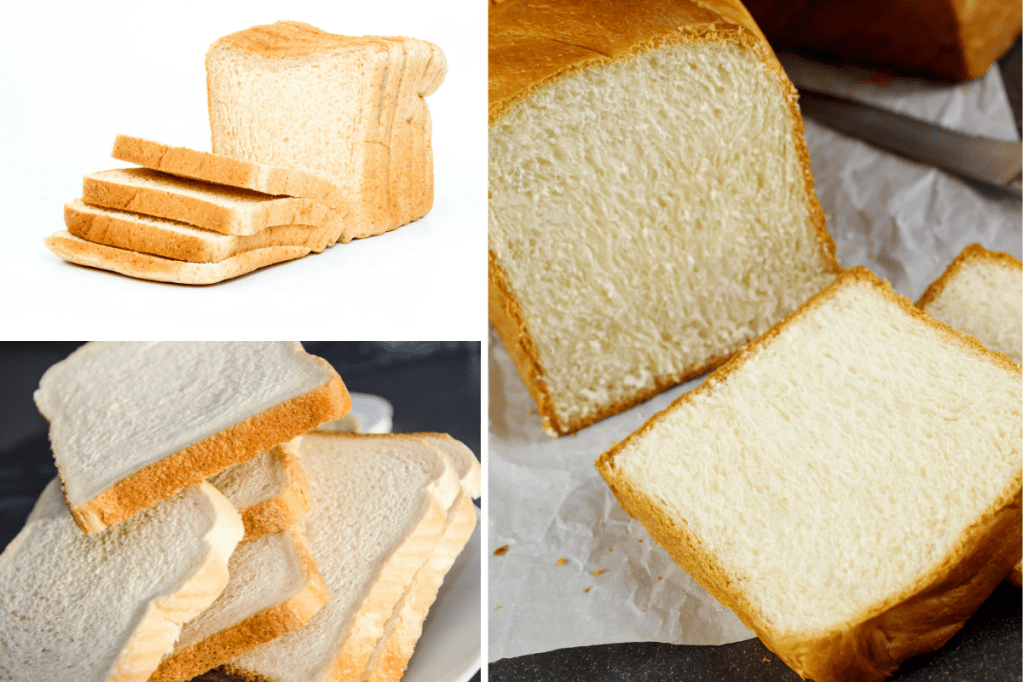
A slice of bread is made from many ingredients and methods. The perfect slice starts with milling wheat and ends with slicing the loaf.
Wheat comes first. It may appear as a plain and inconspicuous grain, but within its microscopic form lurks a large and complicated network of proteins, carbohydrates, and fibers. When these ingredients are mashed together, they generate a fine powder known as flour. This flour is the foundation of our slice of bread, and its quality can make or break the finished result.
Yeast comes next. The texture and rise of our bread are caused by this single-celled organism. It feeds on the flour’s sugars and creates carbon dioxide, making the dough light and airy. The temperature and timing of the yeast’s growth must be managed or the bread won’t rise.
We’re not finished yet. After the dough has risen and been shaped into loaves, it must be baked to perfection. To make a golden crust, heat, moisture, and steam must be balanced. The timing and temperature of the bake are crucial, since even a few degrees or minutes can greatly alter the final product.
Now we slice. It may seem like a straightforward chore, yet even here there is possibility for error. Bread texture and flavor are highly affected by slice thickness and angle. Thin slices are wonderful for delicate sandwiches, while large slices are great for toasting or buttering.
A slice of bread is the outcome of a difficult and exact process
From the milling of the wheat to the slicing of the loaf, every step demands talent, attention, and a comprehensive understanding of the ingredients and procedures involved. So the next time you eat a slice of bread, think about its complicated trip.
Moreover, the content of a piece of bread might vary substantially depending on the recipe and ingredients utilized. Certain loaves may contain seeds, nuts, or dried fruits to add texture and flavor. Some are enriched with vitamins or minerals to make them healthier.
Additionally, the cultural significance of bread cannot be emphasized. Bread is a staple item in many countries and strongly established in culinary traditions and social practices. In France, bread is served with cheese and wine, while in India, bread is offered with curries and other spicy foods.
Bread also symbolizes nourishment
It connotes family, home, and warmth. A freshly made loaf can trigger thoughts of nostalgia and bring people together around the table.
In recent years, there has been a growing interest in artisanal breadmaking and sourdough, which includes a longer fermentation phase and a more hands-on approach. This trend indicates a desire for more natural and traditional methods of food production and a closer connection to the origins of our food.
Also, bread is nutritious. It provides energy via carbs. Dietary fiber in bread assists digestion and colon health. Whole wheat and rye breads contain B vitamins, iron, and zinc.
But not all bread is the same. Commercial bread may contain additional sugars, preservatives, and artificial flavors, which lower its nutritional value. Whole grain bread with few ingredients is best for health.
Bread’s nutritional value might also vary with how it’s eaten. Slathering bread with butter or jam adds calories and sugar. Bread can also cause overeating and weight gain when used in high-calorie sandwiches.
While bread may have a complicated and fascinating history
it is also a practical and nourishing diet. We can get the benefits of this essential food by choosing high-quality bread products and eating them in moderation with a healthy diet.
Finally, bread is a cultural icon with religious and spiritual significance. Bread represents nourishment and the divine in many religions. In Christianity, bread represents Christ’s body and is part of the Eucharist.
In several civilizations, bread is also employed in traditional rites and rituals. In Jewish culture, challah bread is eaten on Shabbat and other festivals as a symbol of holiness and festivity.
Bread has been a staple in human diets for millennia
It is a sign of sustenance, heritage, and community. Bread is a mainstay of the human diet, consumed as toast or utilized to make elaborate feasts.
In recent years, the popularity of bread has also given rise to a number of creative and distinctive recipes. From gluten-free bread to artisanal loaves with complex decorations, bread has become a canvas for culinary creativity.
Bread is also a social food. Baking bread can be a group activity that builds bonds. In many cultures, bread-making is a shared event that involves passing down recipes and practices from one generation to the next.
Despite its many benefits, bread may cause allergies or intolerances in certain people. If you get sick after eating bread, see a doctor.
In conclusion, a slice of bread may seem like a simple and unassuming dish, but it is actually a deep and multidimensional element of human culture and history. From its nutritional importance to its spiritual and communal meaning, bread remains an essential and valued staple of the human diet.
Bread will surely continue to play a vital role in our diets and societies as we discover new culinary innovations and ethnic traditions. Bread has a special place in our hearts and on our plates, whether we eat it for breakfast, as a sandwich base, or as an artisanal loaf.
The next time you eat a slice of bread, think about its rich history and cultural significance. Bread has been a staple diet since the ancient Egyptians. And as we move forward, we can only envision the new and creative ways in which bread will continue to evolve and inspire us.
Finally, bread is more than simply a snack. It represents human innovation, perseverance, and ingenuity. Bread has evolved from a simple nutritional staple to a gourmet art form.
Bread continues to nourish and bring delight to people all over the world as a snack, meal, or spiritual symbol. So next time you sit down for a meal or share a loaf of bread with friends and family, appreciate this extraordinary and diverse delicacy that has endured.
We should also keep sustainability and responsible manufacturing in mind as we enjoy bread in all its forms
From pesticides and fertilizers used in farming to carbon emissions from shipping and processing, bread production may have a big environmental impact.
To secure a sustainable and equitable future for bread manufacturing, we must prioritize eco-friendly and socially responsible techniques. Use locally sourced and organic ingredients, reduce waste, and promote fair labor practices across the production chain.
By doing our part to support sustainable bread production, we can not only help safeguard the world and its resources, but also ensure that future generations may continue to enjoy this beloved delicacy in all its delicious and varied varieties.
Bread represents both our past and our future. As we explore new gastronomic frontiers and work toward a more sustainable and equitable society, bread will definitely continue to play a fundamental part in our lives and cultures. With its long history and unlimited possibilities, this beloved and adaptable delicacy is sure to create tasty and fascinating new dishes.
Conclusion
A piece of bread may appear like a simple thing, but it is actually a complicated and multidimensional dish with a rich history and cultural meaning. Bread is a versatile and delicious dish that has been a mainstay of human diets for thousands of years.
 Hey Singapore