
This oven preheat guide will help you master baking. Learn the scientific reasons and methods for perfect results. How to preheat the oven? Must-read article!
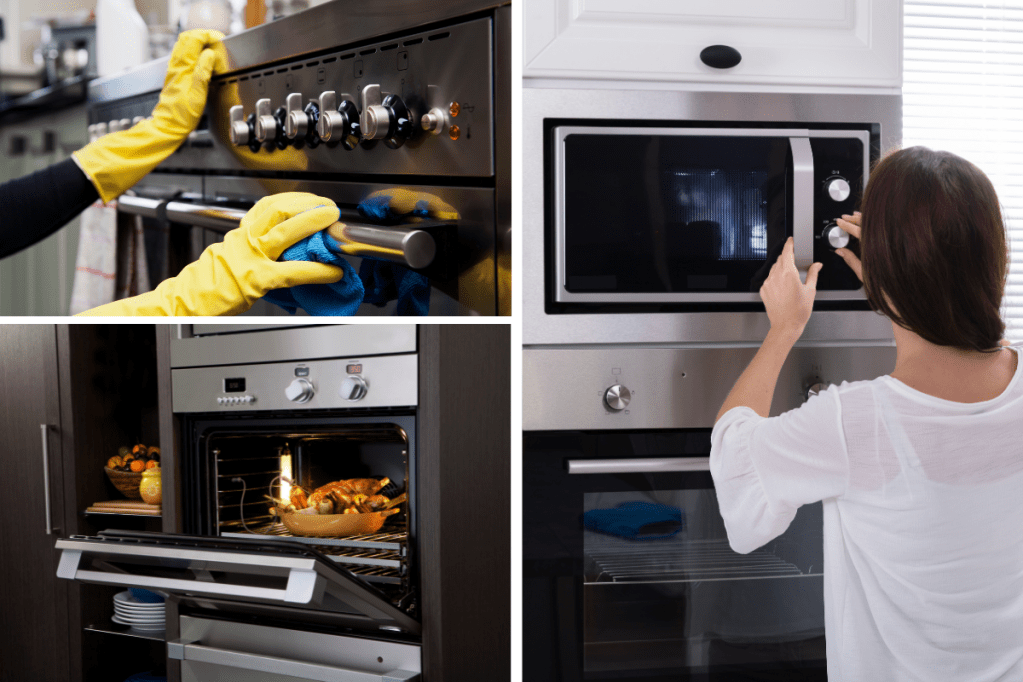
Understanding the Importance of Preheating in Baking
Preheating is essential to baking, which is a precise science. Preheating the oven gives baked goods a stable atmosphere to rise and cook evenly. Heat instantly penetrates dough or batter, stimulating chemical processes that produce delicious and beautifully baked delights. Neglecting to preheat the oven might result in uneven cooking, undercooked or burned food, and a poor baking experience. For those who want to improve their baking, preheating is essential.
Before adding your baking pan, you preheat your oven to the recipe’s temperature. This guarantees that your food will start cooking at the appropriate temperature and won’t burn before it’s done. Preheating ensures that the meal cooks uniformly, keeping some areas from being overcooked and others undercooked. Preheating your oven increases your chances of a successful baking session.
Preheating also helps you bake on time. Preheat your oven before starting a recipe that requires exact timing. Undercooked or overdone food might ruin the dish. Preheating your oven gives you a better sense of how long your recipe will take to cook, which can help you plan.
Preheating is essential for making consistent, tasty, and precisely cooked baked goods. Understanding its relevance and adding it to your baking regimen can improve results.
How to Preheat Different Types of Ovens: Gas, Electric, and Convection
The initial stage of baking starts with preheating the oven, which ensures uniform temperature distribution throughout the cooking process. However, the duration and temperature for preheating vary depending on the oven type. For gas ovens, dial to the desired temperature and allow it to heat for 10-15 minutes. For electric ovens, wait for the beep after setting the temperature. Convection ovens need a 10-15 minutes preheat before food placement.
Notably, the dish you are baking affects preheating, such as a lower temperature for delicate dishes like soufflés, while higher heat works best for pizza or bread. A larger oven requires more preheating time than a smaller one, with a toaster oven taking a few minutes and a built-in oven requiring 20 minutes or more.
In conclusion, preheating is a crucial step in baking that determines the success of your baked goods. To achieve excellent results, master your oven type, dish type, and oven size. Customise your preheating duration and temperature accordingly. These tips can help you become a preheating expert and elevate your baking skills.
Preheating periods and temperatures vary depending on these parameters. Ovens and recipes vary. Preheating times and temperatures vary by recipe.
Opening the oven door during preheating might lower the temperature, causing uneven baking. Avoid checking your food in the oven. Use an oven thermometer to maintain temperature throughout preheating and baking.
Follow these steps and learn your oven and recipe needs to make great baked goodies every time. Preheating your oven may seem little, but it can improve your baked goods. Preheat your oven appropriately and release your inner baker.
Tips and Tricks for Achieving the Perfect Preheat
The optimal preheat needs more than understanding your oven type, dish type, and oven size. To get your oven to the right temperature before baking, use these tips.
Checking your oven’s temperature with a thermometer is crucial. Many ovens feature built-in thermometers, however they may not be accurate. An oven thermometer can help you heat your oven to the recipe’s exact temperature.
Use a baking stone or steel to preheat your oven. These materials can assist manage your oven’s temperature and provide a consistent heat source for evenly cooked baked items. Place the stone or steel on the bottom rack of your oven before preheating and let it heat up with the oven.
During preheating, avoid opening the oven door too often. Every time you open the door, heat escapes and the oven temperature drops, which can impair baking time and dish quality. Instead, prepare all your ingredients and tools before preheating the oven to minimize door opening.
Clean your oven regularly. Your oven’s temperature and airflow might be affected by grease and food particles, resulting in uneven baking. Your baked items will taste better and preheat more accurately in a clean oven.
You can get the perfect preheat and bake delicious cookies every time with these instructions.
Common Mistakes to Avoid When Preheating Your Oven
Baked goods might be undercooked or overcooked if the oven isn’t preheated properly. Preheating your oven? Avoid these blunders.
Preheating should be done slowly. To uniformly spread heat in the oven, wait a few minutes after your dish reaches the proper temperature before placing it in the oven. Hot areas and uneven cooking will be avoided.
Second, avoid often opening the oven door. The oven must work harder to maintain the proper temperature when the door is opened. This can extend preheating and cause uneven cooking. Open the door only when required and don’t peer in.
Avoid preheating the oven with the rack in the improper position. Depending on the dish, rack position can effect cooking. For instance, placing a dish too close to the bottom of the oven might burn the bottom, while positioning it too high can burn the top before the middle is cooked.
Finally, routinely clean your oven. A filthy oven might reduce preheating efficiency. To maximize oven performance, clean the racks, walls, and bottom regularly.
In conclusion, properly preheating your oven is vital for baking beautiful dishes. Avoid these blunders and learn your oven’s quirks to maximize preheating.
Using a Thermometer to Ensure the Accuracy of Your Oven’s Preheat
To bake perfectly, use an oven thermometer to pre-heat your oven. Most ovens feature built-in temperature controls, but they’re often inaccurate. Disparities might lead to undercooked or overcooked food, ruining the meal.
To properly heat the oven, use a thermometer. This helpful device measures oven temperature more accurately than the oven’s display. The oven’s ideal temperature can be reached by placing the thermometer in the center, setting the temperature, and waiting.
When using an oven thermometer, remember that preheating times vary by oven type. Convection ovens heat faster than gas and electric ovens. Knowing your oven type and preheating times is crucial.
Use an oven thermometer on the rack instead of the bottom. This method will better estimate the oven’s air temperature than the oven bottom.
Finally, an oven thermometer may help you pre-heat properly, ensuring perfect baked goods. By familiarizing yourself with your oven type, adjusting preheating periods, and placing the thermometer on the oven rack, you may impress loved ones with delicious, perfectly cooked sweets.
Conclusion
Finally, preheating your oven is essential for great baking. Understanding preheating, oven types, and frequent blunders will improve your baking skills. It’s important to fully preheat your oven and adjust the time and temperature for the dish and oven size. A thermometer can also improve oven preheat accuracy, giving you more control over cooking. With these oven tips, you can make delicious, precisely cooked sweets every time. Preheating your oven properly is the first step to baking success, regardless of your experience.
 Hey Singapore