
After perusing our in-depth tutorial, you will learn the fundamentals of how art pictures should be hung. Learn why it’s important to exhibit artwork in settings that go beyond the frame.
Creating a Gallery: The Art of Displaying Art Pictures
Displaying art involves more than just hanging frames. Selecting and organizing pieces for a gallery takes thinking and intention. Creating a gallery wall in your living room or displaying art in a commercial location requires numerous considerations.
Consider where you’ll hang the work. The wall’s size and natural light can affect your selection and arrangement. A large, well-lit wall may be preferable for a mix of larger statement pieces and smaller works, while a smaller, dimly lit space may benefit from a few larger, striking pieces that pull the eye.
Consider the art’s style and theme. A gallery can be themed or curated to reflect your tastes and interests. Consider how the elements will work together to produce a story or inspire a mood.
Organizing art photos involves numerous methods. A grid-like layout with uniformly spaced components in rows and columns is a popular strategy. An organic, eclectic salon-style arrangement is another option. Consider space and display balance when choosing a method.
Consider framing and hanging as well as art arrangement. Frames can unify a collection and provide elegance, while hanging hardware might affect component security and stability. You may construct a great art gallery by paying attention to these aspects.
Finally, making an art gallery is an art form. You can make an eye-catching display by considering space, style, arrangement, framing, and hanging. Whether you’re a seasoned art collector or just want to add some visual appeal to your house or business, art picture display is a talent worth practicing.
The Power of Placement: How Art Pictures Transform Interior Spaces
Without art pictures, house decoration is incomplete. Artwork placement may create or ruin a room’s appearance. Placing art can make a drab environment alive and appealing. This is why interior design requires art picture placement.
First, consider the picture’s size while placing art. Bigger photos are excellent for living rooms, while smaller ones are better for bedrooms and baths. Positioning the picture on the wall is also important. For instance, hanging a picture above a sofa or bed draws attention to it.
Space illumination is another important factor. Art photographs seem better with proper lighting. For instance, spotlights can enhance the picture’s colors and details. Natural lighting also creates a warm and inviting ambiance.
Interior space change also depends on the art picture picked. Landscape or still life photos can calm and relax, while modern, abstract art can bring sophistication and elegance. Choose art that matches the room’s theme and color palette.
In conclusion, art placement is essential to home design. It may change a room, provide a focal point, and add visual appeal. A captivating and engaging setting can be created by considering the picture’s size, placement on the wall, lighting, and style of art.
Framing the Narrative: The Importance of Frames in Art Picture Display
Art photos need framing to look good and protect them. The frame borders the image and creates a visual hierarchy. The right frame can complement or clash with the artwork. The picture’s beauty should be enhanced by a nice frame.
Effects vary by frame. Ornate frames with elaborate motifs can give a traditional and elegant sense, while modern frames with clear lines can give a contemporary and minimalist feel. The frame material is also crucial. Metal frames are sleek and industrial, while wooden frames give warmth and texture. The frame should also match the photo and room’s color design.
Matting is another important frame element. A mat adds depth and dimension between the picture and the frame. The artwork’s appearance depends on the mat’s color and thickness. A white mat gives a clean, modern aesthetic, while a colored mat adds color and brightness to the display. The mat’s thickness can also alter its impact. A thin mat creates a minimalist look, while a broad mat adds depth and drama.
To enhance the artwork’s beauty and safeguard it, the correct frame is essential. The picture’s style, color, and size must be considered while choosing a frame and mat. A good frame can turn a photo into art and make it the room’s centerpiece. Artwork can tell a narrative and evoke emotions with the correct frame and matting.
Showcasing Diversity: The Impact of Mixing Art Picture Styles and Mediums
Art picture exhibition is about creating a visually fascinating and dynamic place that interests the observer, not merely showing a specific style or media. Mixing art picture styles and mediums can help. By doing so, you may create a diverse and unique exhibit that shows your taste and style.
A display can be enhanced by mixing art styles. By juxtaposing abstract and classic styles, you grab the viewer’s attention and start a visual conversation. This might break up a monotonous show and offer surprise.
Add variety to your art photo exhibition by using multiple materials. You can make a dynamic exhibition by blending paintings, photographs, and prints. This can also showcase varied textures and approaches, adding depth and intrigue to the display.
Mixing art picture styles and mediums can have an impact beyond the visible. Many styles and mediums demonstrate the diversity of artists and perspectives. This is a chance to honor marginalized artists and demonstrate art’s ability to unify and inspire.
In conclusion, blending art picture styles and mediums can greatly effect the exhibition. You can inspire and connect viewers by producing a visually appealing and diverse exhibition. Therefore don’t be scared to experiment with numerous styles and mediums to create a unique and individualized display that shows your artistic taste and perspective.
From Wall to Surface: Alternative Ways to Display Art Pictures
Artwork doesn’t have to be hung to transform a space. Art photos may provide texture and interest to a room in various ways. From tabletop displays to gallery walls, unexpected art can create a unique environment.
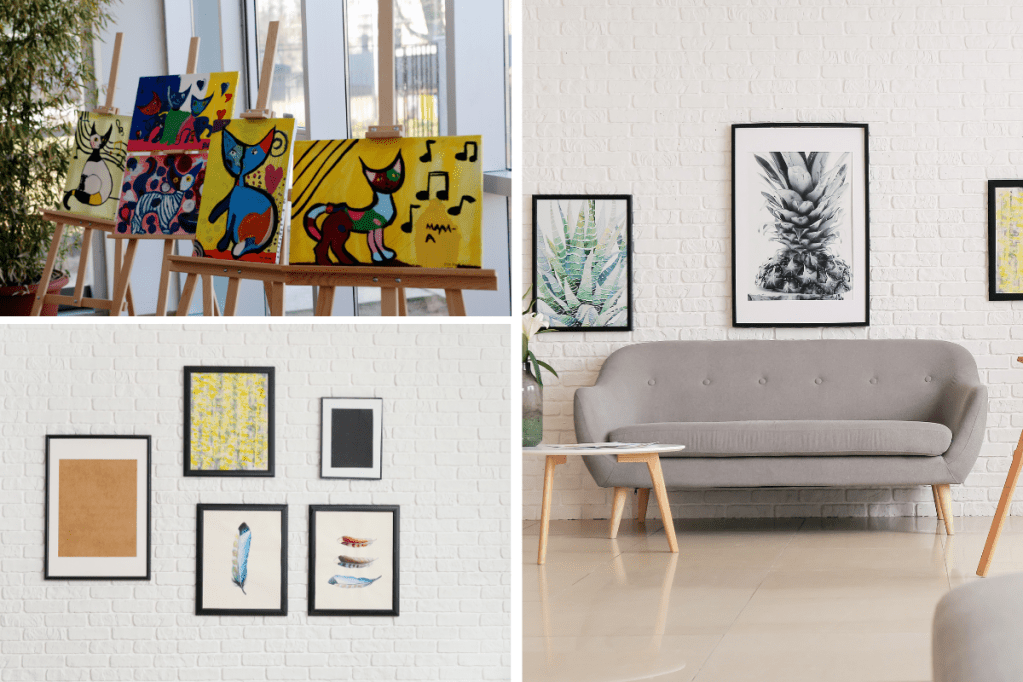
Easels or tabletop stands can showcase art. They can create a tiny gallery of separate pieces. It can also showcase smaller pieces that might get lost on a larger wall. Group things by topic or color for a coherent look.
Putting paintings on shelves or ledges is another option. For individuals who don’t want to permanently hang paintings, this is a good choice. Layering elements creates a dynamic display with depth. For equilibrium, adjust component size and orientation.
Choose a non-traditional gallery wall for your art collection. A stairwell or corridor is a good place to build a gallery wall that flows from one level to the next. Using framed art and ornamental items like mirrors or sculptures, you may create a gallery wall on a huge, blank wall.
Finally, decorate doors and ceilings with art. A painted door with art photos or a ceiling with a mural or large-scale art work can offer drama and flair. These innovative display alternatives can help you create an environment that represents your style and individuality.
Conclusion
In conclusion, there are various ways to show art other than on walls. Easels, tabletop stands, shelves, ledges, gallery walls, and unexpected surfaces like doors or ceilings can give texture and intrigue. You may personalize your space by using art in unexpected ways.
 Hey Singapore