
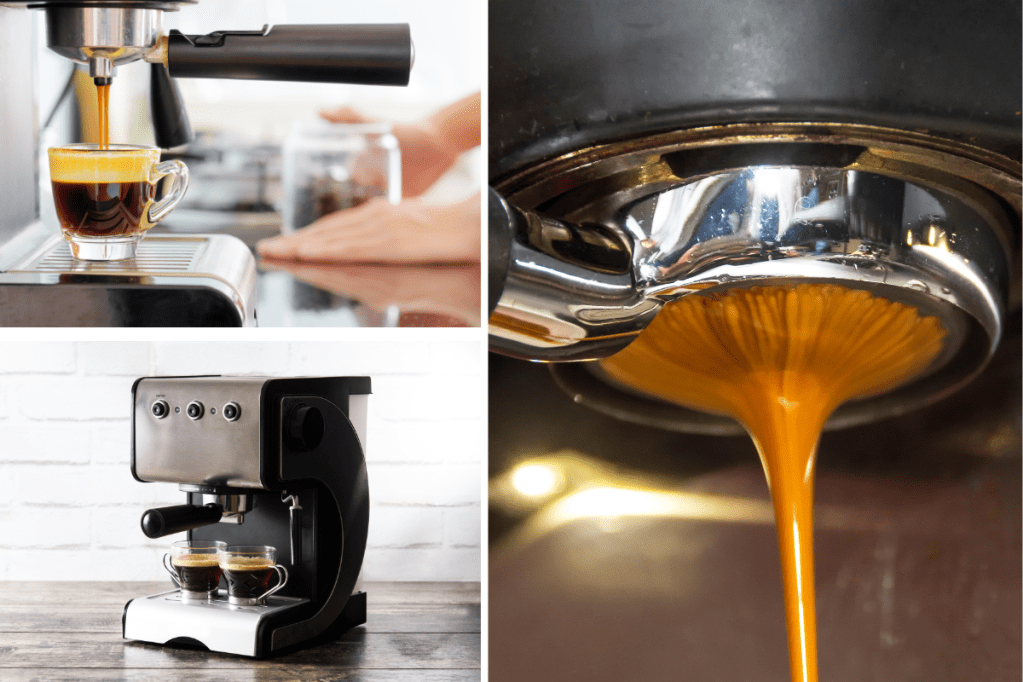
The Evolution of Espresso Coffee Machines: From Steam-Powered to Automated.
The evolution of espresso coffee machines has been fascinating, with many twists and turns. From their humble beginnings in the 1800s, steam-powered espresso machines were notorious for producing burnt, bitter-tasting coffeeWhenen the lever espresso machine was introduced in the 194, coffee specialists could enjoy a more consistent and higher-quality espresso experience. The manual extraction process allowed for greater control over the brewing process, resulting in a more nuanced and well-balanced cup of coffee.
Fast forward to the 21st century, and we have the emergence of automated espresso machines. These machines use technology to streamline the brewing process, delivering a perfect shot of espresso every time. These machines provide unparalleled precision and consistency with programmable settings and advanced features like temperature control and pressure profiling. Whether you’re a coffee connoisseur or just looking for a convenient way to enjoy a delicious espresso at home, an automated espresso machine is a game-changer.
The Anatomy of an Espresso Coffee Machine: Understanding the Parts and Their Functions.
Espresso coffee machines are a marvel of modern engineering, with numerous intricate components working in perfect harmony to produce that coveted shot of espresso. The portafilter, boiler, group head, and steam wand all play vital roles in this intricate dance of coffee extraction. The portafilter, for instance, is the vessel that holds the ground coffee. At the same time, the boiler ensures that the water is heated to the perfect temperature for extraction. The group head distributes the water evenly over the coffee, ensuring that each ground is appropriately saturated. At the same time, the steam wand produces the perfect froth for lattes and cappuccinos. Every component of an espresso machine is finely tuned and calibrated to work together in perfect unison to deliver a flawless espresso experience.
The Science of Espresso Extraction: Achieving the Perfect Shot Every Time.
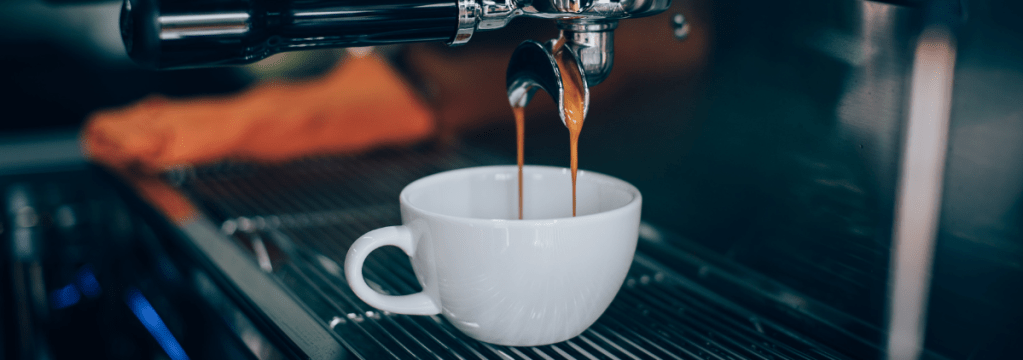
Espresso brewing is a highly intricate process that demands equal parts science and artistry. The scientific aspect is rooted in the extraction process, whereby water is forced through tightly packed coffee grinds at a high pressure to extract its rich flavor and aroma. However, the real magic lies in the artistry of the barista, who must understand the various factors that affect the extraction process, including the coarseness of the grind and the pressure applied while tamping coffee, and the duration of the shot. Only by mastering these variables can a barista hope to craft the perfect espresso shot, packed with the ideal balance of flavor and aroma.
Bean-to-Cup Espresso Machines: The Ultimate Convenience for Coffee Lovers.
Bean-to-cup espresso machines are a marvel of modern technology, seamlessly grinding coffee beans and extracting the perfect espresso shot with a simple button. With many models available, from the basic to the high-end, there is a bean-to-cup espresso machine to suit every coffee lover’s needs. Some machines even come equipped with milk frothers, allowing for easy creation of lattes and cappuccinos. Other features, such as pre-programmed settings and adjustable grinders, offer a fully customizable coffee experience. The world of bean-to-cup espresso machines is vast and constantly evolving, providing coffee lovers unparalleled convenience and quality.
The Advantages of Manual Espresso Machines: Elevating the Art of Espresso Making.
The world of espresso making is full of complexity and nuance, and manual espresso machines are no exception. These machines give the barista unparalleled control over the brewing process, allowing them to adjust variables such as the grind size, tamping pressure, and shot time to achieve the perfect extraction. This level of precision requires practice and skill. Still, the result is a deeply personalized and nuanced espresso experience unmatched by any other method. For those passionate about espresso-making, a manual machine is an essential tool that offers endless possibilities for experimentation and refinement.
Espresso Machines with Built-in Grinders: Streamlining the Brewing Process.
Espresso machines with integrated grinders are a real game-changer in the coffee world. They simplify the brewing process and save precious counter space. These machines pack a punch with various models, each with unique features such as programmable grind settings, dual boilers, and adjustable tamping pressure. Moreover, some high-end models even offer self-cleaning functions to ensure the machine stays in top condition with minimal effort from the user.
Choosing the Right Espresso Machine for Your Home or Business: Factors to Consider.
Selecting the ideal espresso machine that suits your fancy can be perplexing, as it involves several crucial factors to consider before purchasing. One such element to ponder is your budget, as espresso machines come in various price ranges, from budget-friendly to premium models. Another crucial factor is your available space, as some espresso machines require more space than others. You also need to consider the volume of coffee you plan to brew, as some devices are built for high-volume use, while others are better suited for home use. Moreover, it is imperative to keep the user experience in mind, as it can make or break the brewing process. Therefore, it is advisable to do thorough research, read reviews, and seek expert advice before investing in an espresso machine.
Maintenance and Cleaning Tips for Espresso Coffee Machines: Prolonging the Life of Your Investment.
The upkeep and hygiene of your espresso coffee machine are paramount to its longevity and performance. To maintain a consistent and superior espresso experience, it is imperative to regularly maintain and clean the different parts of the machine, such as the group head, portafilter, and steam wand. Descaling the boiler and replacing any faulty components is also necessary to ensure the device operates at its best. Additionally, using high-quality water and coffee beans is critical in preventing buildup and blockages that can impact the machine’s functionality.
Conclusion
The right one for your needs requires careful consideration of budget, space, and desired features. From the steam-powered machines of the 1800s to the lever machines of the 1940s and the automated machines of the 21st century, espresso technology has come a long way. The anatomy of an espresso machine is complex, with parts such as the portafilter, boiler, group head, and steam wand all playing a critical role in the brewing process. To brew the perfect shot, one must master the delicate balance of science and art, understanding the variables that affect the extraction process. Whether you opt for a built-in grinder, pre-programmed settings, or manual control, maintaining and cleaning your machine is essential for longevity and consistent quality. By delving deep into espresso, you can unlock a world of flavor, aroma, and nuance that will elevate your coffee experience to new heights.
 Hey Singapore