
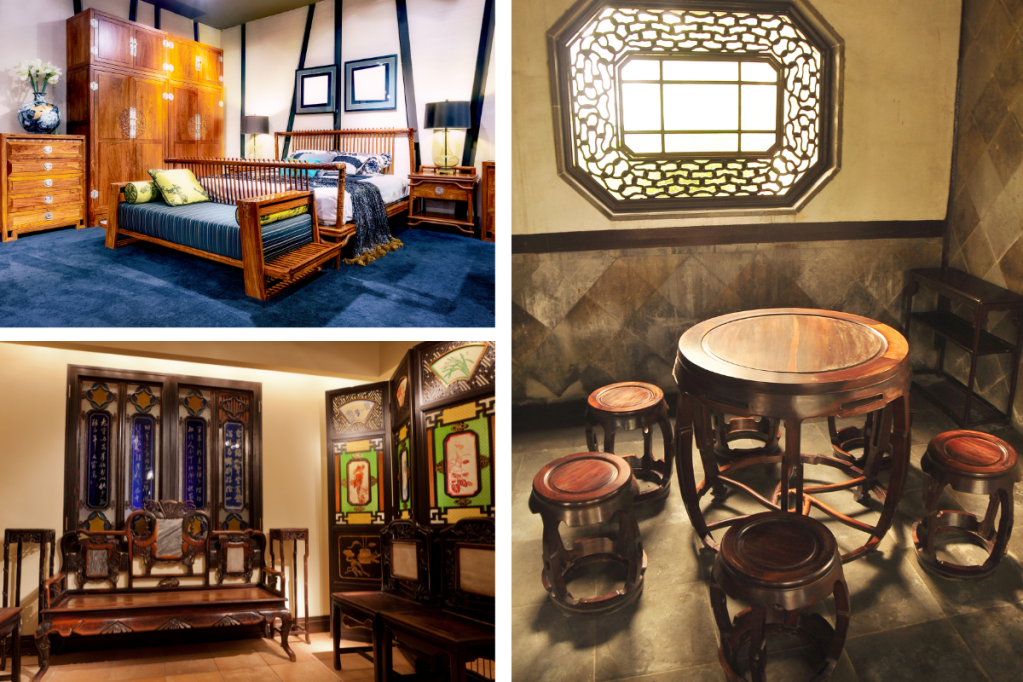
Discover the timeless allure of Chinese furniture, crafted with exceptional artistry and infused with symbolic meaning. Explore the evolution of this distinctive style, its fusion with Western design, and the investment potential of collecting authentic pieces. Unleash the power of Feng Shui and elevate your home decor with the elegant beauty of Chinese furniture.
The Evolution of Chinese Furniture: From Ancient to Contemporary
Chinese furniture has a rich history of thousands of years. It has grown into a highly sought-after art form known for its craftsmanship and unique style. Chinese furniture was originally utilitarian, and used for seating and storage. Chinese tastes and values changed over time, resulting in more elaborate furniture styles.
Tang Dynasty (618-907 AD) furniture design changed significantly. Jade, ivory, and elaborate carvings and inlay work became popular. A more restrained, elegant style with clean lines and subtle ornamentation emerged during the Ming Dynasty (1368-1644 AD). This style was popular throughout the Qing Dynasty (1644-1912 AD), and modern Chinese furniture still draws inspiration from it.
Chinese furniture has gained popularity in China and abroad in recent years. Chinese designers are using new materials and techniques to create innovative and unique pieces while still using traditional design elements. The result is a dynamic, evolving art form that continues to captivate and inspire.
The Artistry and Craftsmanship Behind Chinese Furniture
Chinese furniture is made with unmatched skill. Handcrafted by skilled artisans using generations-old techniques, each piece takes countless hours. Chinese furniture is meticulously crafted from the finest materials to the intricate carving and joinery.
Chinese furniture’s joinery techniques allow for complex construction without nails or screws. Mortise and tenon joints, dovetail joints, and tongue and groove joints are used. The result is strong, beautiful furniture.
Chinese furniture is also known for its symbolism and decoration. Dragons and phoenixes are carved into many pieces to bring luck and prosperity. Jade, mother-of-pearl, and lacquer add richness and beauty to the finished product.
The Significance of Symbolism in Chinese Furniture
Symbolism holds immense significance in Chinese culture and art, extending to furniture design. Several traditional Chinese furniture pieces showcase intricate carvings and designs, which are brimming with symbolic interpretations. A notable example is the dragon, frequently appearing in Chinese furniture, signifying power, strength, and good fortune. Similarly, the phoenix symbolizes beauty, grace, and rebirth. The furniture’s aesthetic appeal and cultural significance get enriched with such symbolic representations.
Chinese furniture predominantly features animal motifs, besides auspicious symbols such as the eight immortals, associated with good luck and longevity, or the peony, denoting wealth and prosperity. The design incorporates these symbols, creating an interconnected and harmonious piece of furniture.
What adds fascination to Chinese furniture symbolism is how it reflects the cultural values and beliefs. The emphasis on balance and harmony is evident in the symmetrical designs and balanced proportions. Additionally, using natural materials like wood and bamboo reflects reverence towards nature and appreciation of its beauty and harmony.
The Role of Feng Shui in Chinese Furniture Design
Feng Shui is a time-honored Chinese practice aimed at promoting harmony and balance in the environment. In furniture design, designers often apply Feng Shui principles to guide the placement and arrangement of furniture in a room. Such practices include positioning furniture to optimize energy flow or chi, and utilizing specific types of furniture to create specific effects such as improving relaxation or enhancing creativity.
Besides placement and arrangement, Feng Shui’s influence extends to the design of Chinese furniture, with designers incorporating specific materials or colours that influence the surrounding environment. For instance, red is considered auspicious and can promote success and good fortune, making it a preferred colour in furniture design.
A central principle of Feng Shui is achieving balance and harmony, which is evident in the design of Chinese furniture with symmetrical layouts and balanced proportions. The use of natural materials and colours enhances this sense of harmony, promoting a balanced environment.
The Rise of Chinese Furniture in Modern Interior Design
Contemporary interior design has recently embraced incorporating traditional Chinese furniture into modern spaces. The trend displays a broader inclination towards including cultural elements in home décor and developing a sense of connection to the past. Concurrently, modern Chinese furniture designers are redefining tradition by creating contemporary pieces grounded in the rich cultural heritage of Chinese design.
The surge of Chinese furniture in contemporary interior design is attributed to the increasing availability of authentic pieces. The rising popularity of Chinese furniture collecting has made more antique and vintage pieces accessible in the market, which interior designers and homeowners seek for their beauty, craftsmanship, and cultural significance.
Contemporary Chinese furniture designers are also experimenting with new materials and techniques to produce innovative and distinct pieces. Their designs integrate materials such as glass, metal, or concrete and explore new forms and shapes, creating contemporary furniture deeply rooted in Chinese design traditions.
The trend towards sustainable and eco-friendly materials is another contributing factor to the rise of Chinese furniture in modern interior design. With Chinese furniture’s emphasis on natural materials such as wood, bamboo, and silk, it aligns well with this trend. Moreover, many contemporary Chinese designers prioritize using sustainable materials and ethical production practices, making their furniture an attractive option for environmentally conscious consumers.
Conclusion
Chinese furniture’s journey from ancient to modern shows shifting designs and tastes, a rich cultural background, and great craftsmanship. Chinese furniture’s beauty and skill have captivated and inspired from its earliest utilitarian items to its most extravagant.
Symbolism and Feng Shui in Chinese furniture design represent a profound cultural legacy and a devotion to environmental harmony and balance. From exquisite carvings and patterns to furniture placement and arrangement, Chinese furniture design is full of meaning.
Modern interior design’s rising concern in cultural heritage, sustainability, and creative design is reflected in Chinese furniture. For those looking to build a distinctive and culturally rich home, Chinese furniture provides several alternatives, from ancient to modern. Chinese furniture will become more prominent in interior design as this trend develops.
 Hey Singapore