
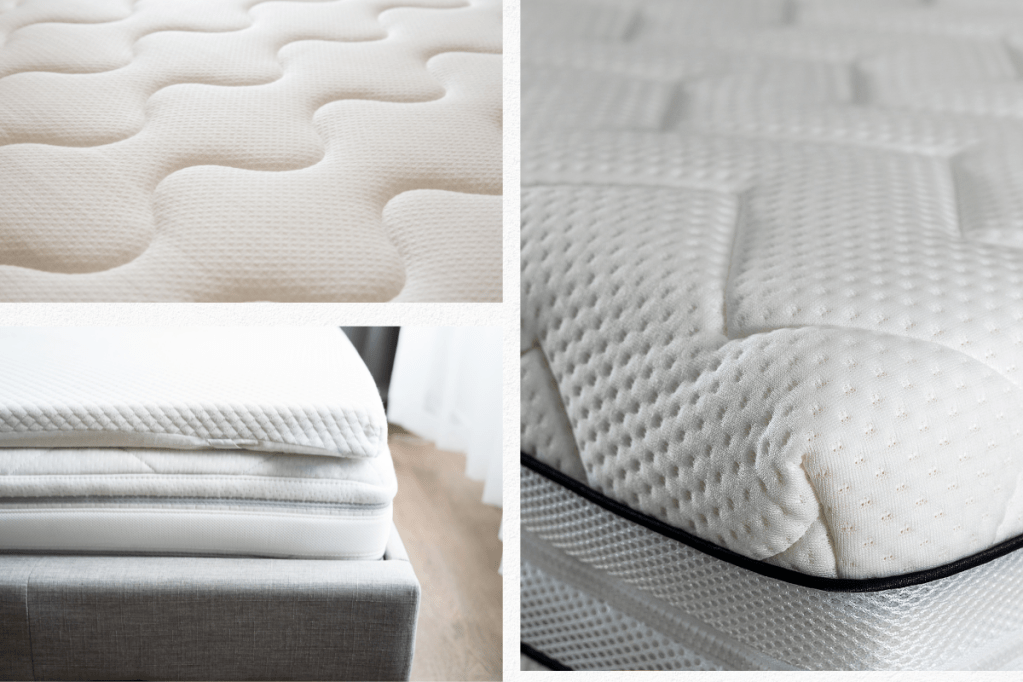
The acquisition of a new mattress can present a daunting task, given the numerous options that are readily available. Two of the most sought-after preferences are foam and spring mattresses. The former is composed of materials such as polyurethane foam or memory foam, whereas the latter employs the usage of steel coils in its construction. Determining which of these alternatives best suits your particular requirements can be quite the arduous undertaking, as each boasts its own distinct set of advantages and disadvantages. In this article, we shall conduct an intricate and exhaustive comparison of foam vs spring mattresses, with the intention of assisting you in reaching an informed verdict that corresponds with your unique needs and inclinations.
Types of Foam Mattresses
Foam mattresses have garnered significant prestige in recent years, thanks to their exceptional ability to cater to pressure relief and contouring support requirements. The three primary types of foam mattresses are memory foam, latex foam, and polyurethane foam.
Memory foam mattresses are the archetypal type that people know and have faith in. These viscoelastic foam mattresses conform to the body’s shape, delivering exceptional pressure relief and support. Designed for people grappling with back pain, joint pain, or body aches, memory foam mattresses offer optimal motion isolation, which is a boon for couples sharing a bed.
Latex foam mattresses, however, are constructed of either natural or synthetic latex foam. They are known for their breathability, durability, and hypoallergenic features. These mattresses deliver optimal support and pressure relief, making them an ideal choice for individuals with chronic pain. They are also suitable for people who tend to sleep hot or suffer from allergies.
Polyurethane foam mattresses, the most budget-friendly among the three, are made of high-density polyurethane foam. Although they are not as durable or supportive as memory foam or latex foam mattresses, they still provide a reasonable option for those on a tight budget. However, polyurethane foam mattresses are less breathable and durable than their counterparts.
When it comes to foam vs spring mattress comparisons, foam mattresses emerge as the superior option for pressure relief and motion isolation, thanks to their hypoallergenic properties. In contrast, spring mattresses usually outperform foam mattresses in terms of durability and breathability. Ultimately, choosing between foam vs spring mattress hinges on individual needs and personal preferences.
Types of Spring Mattresses
Spring mattresses have an established reputation for their traditional charm, as well as their support, endurance, and breathability. Three primary spring mattress types are available, namely innerspring, pocketed coil, and hybrid mattresses.
Innerspring mattresses, most prevalent among spring mattresses, comprise a system of steel coils of different gauges and shapes that provide a responsive and supportive surface. Innerspring mattresses offer excellent value for money as they are generally cheaper than foam mattresses.
Pocketed coil mattresses, an innovation in the innerspring category, are individually pocketed coils that reduce motion transfer between sleep partners. This feature is ideal for couples who share a bed, and pocketed coil mattresses offer excellent support and durability.
Hybrid mattresses blend the properties of spring and foam materials, providing the best of both worlds. Typically, they comprise a layer of foam on top of a layer of coils, which offer pressure relief and support. Hybrid mattresses are an ideal option for people who require both the support of a spring mattress and the comfort of a foam mattress.
When it comes to foam vs spring mattress comparisons, spring mattresses have an edge in terms of support and durability compared to foam mattresses. However, spring mattresses are less effective in isolating motion transfer than foam mattresses. They are also unsuitable for people with allergies. Ultimately, the choice between foam vs spring mattress is a matter of personal preference and needs.
Comparison Between Foam vs Spring Mattress
When contemplating the acquisition of a novel mattress, a pivotal decision lies in the selection of either a foam or spring mattress. Each of these variants has its own unique advantages and disadvantages, and the ultimate decision pivots on personal preferences and necessities.
Foam mattresses have garnered immense popularity in recent times owing to their unparalleled comfort and pressure-relieving qualities. Fashioned from high-density foam, they contour to the curves of the body, thus providing exceptional support and comfort. They are also endowed with superior motion isolation attributes, thus being particularly suitable for those who share their bed with a partner. Moreover, foam mattresses possess hypoallergenic traits, thus being optimal for individuals who suffer from allergies.
In contrast, spring mattresses constitute a more conventional choice and proffer a supportive and responsive sleeping surface. They are made of steel coils that offer remarkable support, rendering them a superior choice for individuals in need of a firmer sleeping surface. Spring mattresses also tend to possess greater longevity and are generally more affordable compared to their foam counterparts.
In the battle of foam vs spring mattresses, it is imperative to contemplate the requisite degree of support and comfort. Foam mattresses provide unparalleled support and comfort, thereby being optimal for those in need of pressure relief and a soft sleeping surface. Conversely, spring mattresses provide a firmer sleeping surface and are a superior choice for those in need of enhanced support.
Another critical factor to be taken into consideration is the durability quotient. Spring mattresses tend to possess greater longevity than foam mattresses, with their shelf-life extending up to a decade with proper upkeep. Foam mattresses, on the other hand, tend to lose their shape and support over time and may need to be replaced more frequently.
When it comes to motion isolation, foam mattresses emerge victorious. They tend to absorb movement and prevent it from being transmitted across the bed, thereby being a superior choice for couples who share their bed. Spring mattresses are not as effective in motion isolation and may impede one’s partner’s sleep if one tosses and turns during the night.
The foam vs spring mattress debate is contingent on individual preferences and necessities. If a softer sleeping surface and enhanced motion isolation are desired, then a foam mattress may prove to be optimal. If a firmer sleeping surface and greater support are the requisite needs, then a spring mattress would prove to be the better choice.
Which One Should You Choose?
When contemplating between the two popular mattress types, namely foam vs spring mattress, it is imperative to consider personal proclivities and requirements. The following factors should be assessed to make a well-informed decision:
Comfort and Support: Foam mattresses proffer a superlative level of comfort and pressure alleviation, rendering them an impeccable preference for individuals desiring a pliant sleeping surface. Conversely, spring mattresses furnish more robust support, thus more suitable for those necessitating a firmer sleeping surface.
Durability: Spring mattresses tend to exhibit greater longevity, typically persisting for up to a decade with proper maintenance. Foam mattresses, however, often lose shape and support over time, necessitating replacement more frequently.
Motion Isolation: If you share a bed with a partner, opting for a foam mattress that boasts superior motion isolation is crucial. Foam mattresses are adept at absorbing movement and curtailing its propagation across the bed, ensuring an undisturbed sleep. Spring mattresses, conversely, are less effective at isolating motion transfer and may disrupt your partner’s sleep should you move around during the night.
Temperature Regulation: Foam mattresses tend to retain heat and may not be ideal for individuals who tend to sleep hot. Spring mattresses, however, permit greater airflow and offer a cooler sleeping experience.
Price: Foam mattresses tend to be costlier than spring mattresses, but they are unrivaled in their comfort and pressure relief capabilities. Spring mattresses are relatively more affordable and offer substantial support for those seeking a firmer sleeping surface.
Ultimately, the decision between foam vs spring mattress rests on individual predilections and requisites. If you require a pliant sleeping surface, exceptional motion isolation, and can afford a higher price, then a foam mattress may be your optimal choice. Conversely, if you need a firmer sleeping surface, augmented support, and a lower cost, then a spring mattress may be the preferred option.
Conclusion
In the final analysis, selecting a foam vs spring mattress is a highly personalized determination contingent upon idiosyncratic predilections and demands. Foam mattresses afford remarkable ease and tension relief, rendering them a superlative option for those necessitating a cushiony sleeping surface. They further offer splendid motion isolation, rendering them an impeccable option for co-sleepers. In contrast, spring mattresses are sturdier and confer more sustenance, fashioning them a better option for those necessitating a firmer sleeping surface. When electing between these two, reflect on facets such as comfort and support, durability, motion isolation, temperature regulation, and price. All in all, the ultimate decision should accommodate your exclusive requisites and fiscal constraints.
 Hey Singapore