
Learn all there is to know about air purifiers! Find out why you should use an air purifier in your house and the benefits it can bring you. With this technique, you’ll inhale healthier air.
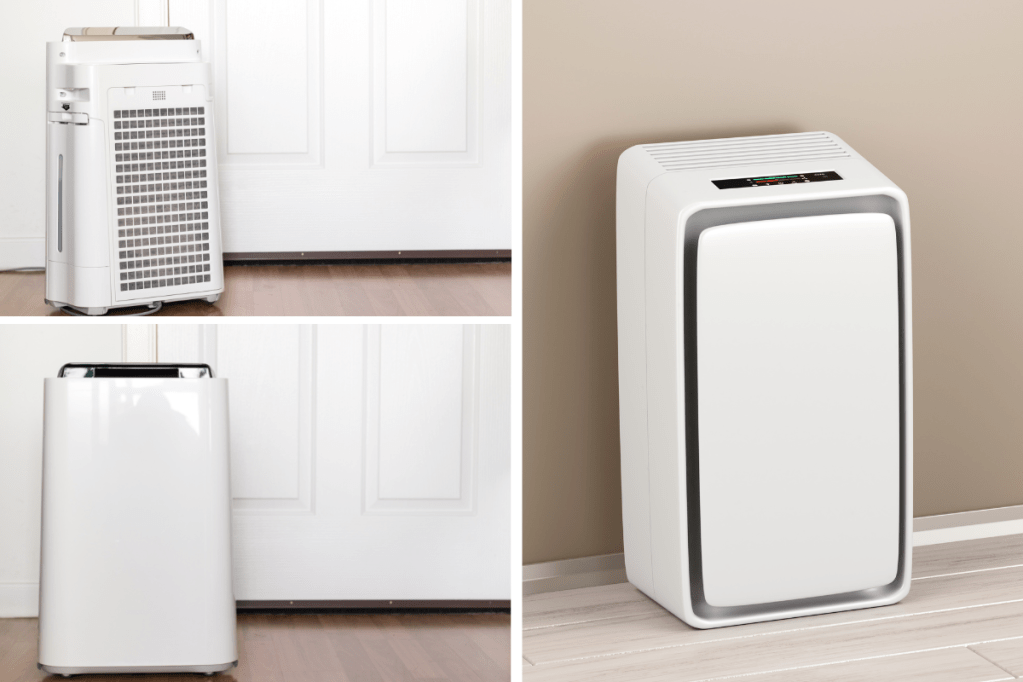
What is an Air Purifier?
As air quality’s health effects have become more apparent, air purifiers have grown in popularity. Air purifiers filter indoor air. Dust, pollen, pet dander, and toxic chemicals are examples. Air purifiers can make an area healthier and more comfortable to breathe by doing so.
Air purifiers capture and remove pollutants using filters and other technologies. Many models include a HEPA (high-efficiency particulate air) filter to capture 99.97% of 0.3-micron particles. Different air filters, such as activated carbon filters and ionizers, can remove other contaminants. Certain air purifiers eliminate viruses and germs with UV-C radiation.
Air purifiers offer many advantages. Allergic and asthmatic patients can benefit from air purification. Children, older adults, and pregnant women with respiratory problems like COPD or cystic fibrosis can benefit from air purifiers. In residences near industrial or busy roads, air purifiers can also improve air quality.
Air purifiers are fantastic additions to any home, but you need to pick the proper one. The size of the space you want to cleanse, the contaminants you wish to eliminate, and the noise level of the air purifier should be considered while choosing one. You may improve your home’s air quality and enjoy its health benefits by researching and buying a good air purifier.
Air purifiers remove pollutants to enhance air quality. These devices catch and remove particles to make the air cleaner and more comfortable to breathe. Air purifiers can help those with allergies, respiratory issues, or polluted environments, but it’s crucial to choose the correct model.
Dust, smoke, pollen, and pet dander are removed from the air by air purifiers. Air purifiers improve indoor air quality by removing pollutants that cause allergies and respiratory issues. Air purifiers filter air and release clean air into the room.
Air purifiers can reduce allergy and asthma symptoms by removing allergens from the air. People with respiratory issues can benefit from air purifiers’ dust and mold spore reduction. Air purifiers also remove unpleasant odors from the air, making them useful for city dwellers.
Each air purifier type has its own benefits and features. HEPA filters capture dust, pollen, and pet dander well in some air purifiers. Other air purifiers use activated carbon filters to remove odors and chemicals. Ionizers charge air particles and attract them to filters, while UV-C light kills bacteria and viruses in some air purifiers.
Air purifiers remove harmful pollutants and allergens from indoor air, improving it. It’s important to consider your needs before buying an air purifier because they come in different sizes and types with different features and benefits. For anyone who wants to breathe clean, healthy air, an air purifier at home or in the office is a smart investment.
The Importance of Clean Air Indoors
Clean air is essential since indoor air quality influences human health. Allergies, headaches, and respiratory issues can result from poor air quality. Allergies, asthma, and COPD can worsen symptoms.
Pollutants create indoor air pollution. These pollutants may come from cooking, smoking, cleaning products, and furniture. Pollen, dust, and pet dander can also impair indoor air quality. Indoor air can be polluted by outdoor air.
An air purifier improves indoor air quality. Clean air is healthier with air purifiers. They filter indoor air to eliminate dust, pollen, and other contaminants. The room is refreshed by filtered air.
Air purifiers filter different contaminants, cover different areas, and generate different sounds. Activated carbon filters remove odors and chemicals, whereas HEPA filters collect minute particles. Choose an air purifier that meets your needs and space to maximize its use.
Indoor air quality and air pollution’s health consequences cannot be overstated. Basic air purifiers improve indoor air quality and wellness. Selecting an air purifier that meets your demands and budget shouldn’t be difficult. Indoor air quality can be improved for clean, healthy breathing.
Air Purifier’s Role in Improving Indoor Air Quality
Indoor air quality is greatly improved with air purifiers. Dust, allergies, smoke, and odors are removed from the air by them. For people sensitive to these contaminants, these impurities might cause respiratory problems, allergies, and other health issues. We’ll discuss air purifiers’ benefits and how they improve indoor air quality in this piece.
Air purifiers clean the air. Smoke, dust, pollen, and pet dander can cause these pollutants. Air purifiers remove harmful contaminants from the air, reducing the risk of respiratory disorders, allergies, and other health problems. Air purifiers are becoming a must-have in many houses, especially those with children or allergies.
Air purifiers can also remove undesirable scents. Odors from cooking, pets, or other sources can make it hard to breathe and unpleasant to live with. Filters in air purifiers remove these scents. This can make housemates’ lives more comfortable and enjoyable.
Air purifiers eliminate hazardous particles from the air, another benefit. These particles can carry bacteria and viruses that cause respiratory infections like the flu and cold. Air purifiers can minimize disease and promote health by removing harmful particles.
Air purifiers enhance indoor air quality. Air purifiers remove pollutants, smells, and hazardous particles to minimize the risk of respiratory disorders, allergies, and other health issues. They’re vital in many households, especially those with kids or allergies. To improve your home’s air quality, consider buying an air purifier.
Air Purifiers: Effective Solution for Allergies and Asthma
Air purifiers, especially for allergy and asthma sufferers, are popular. These devices reduce respiratory issues by removing air contaminants.
Air purifiers reduce allergens like pollen, pet dander, and dust mites. This can help seasonal allergy and hay fever sufferers with sneezing, itching, and congestion. Air purifiers can eliminate other allergens like smoke, mold, and germs.
Air purifiers benefit asthmatics. Allergens, irritants, and pollutants can cause asthma, a chronic respiratory disease. Air purifiers remove these triggers from the air, making asthma management easier and improving quality of life.
Air purifiers help reduce allergens and pollutants, but they don’t cure allergies or asthma. Avoid triggers like pets in the bedroom and hypoallergenic bedding. A healthcare practitioner should also create a complete treatment plan for severe allergies or asthma.
Air purifiers can help asthmatics and allergy sufferers. They can lessen symptoms and respiratory difficulties by removing air contaminants. These should be taken with other efforts to minimize triggers and control symptoms, and persons with severe allergies or asthma should visit a doctor.
 Hey Singapore