
Explore the versatility and scientific properties of wood material in modern architecture and furniture design. Discover the sustainability and beauty of this unique material.
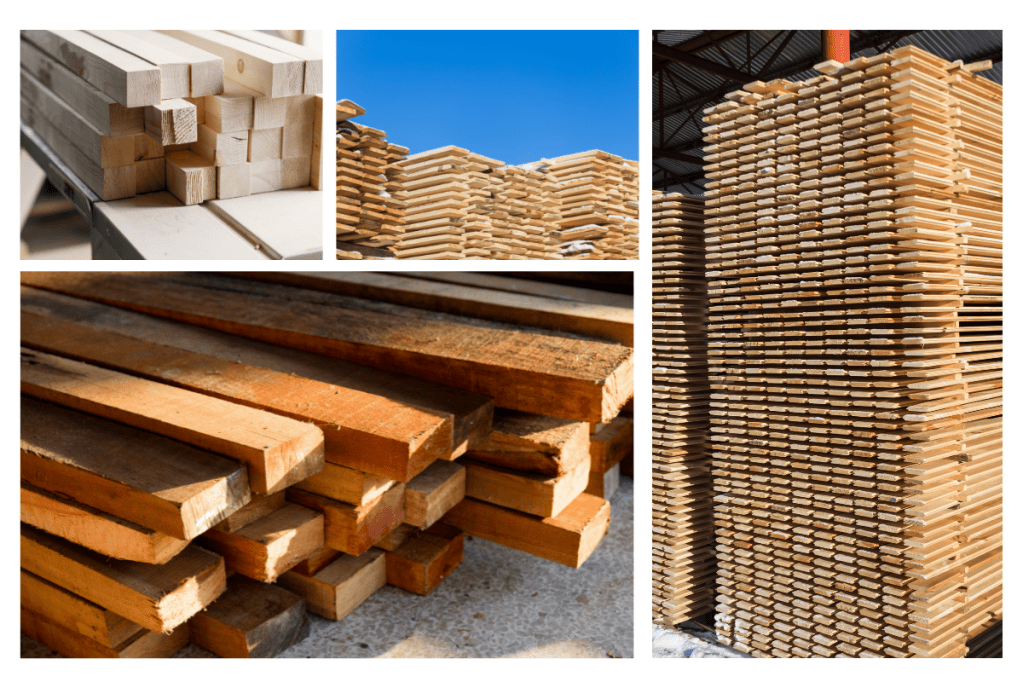
The role of wood material in contemporary architecture
Wood material shapes the aesthetic and functional design of modern buildings. It’s popular among architects and designers that want to build eco-friendly, sustainable buildings that blend in with nature. Wood is ideal for a range of modern construction applications due to its strength, beauty, and versatility. Wood is used in many ways in the construction industry, from trusses to elaborate facades.
Contemporary wood architecture’s sustainability is a major benefit. Wood is a sustainable building material. It’s also eco-friendly. Wood’s natural insulation helps create energy-efficient houses.
Wood’s visual appeal is another advantage in modern architecture. Wood is warm, natural, and timeless, giving buildings character and texture. Its natural texture and color give it a unique appearance that other materials cannot match. Wood can be polished or left raw, making it a flexible material for architects and designers.
Innovative techniques for using wood material in construction
As demand for eco-friendly and sustainable building practices rises, architects and designers are always investigating new wood construction methods. Wood may be used to build attractive and functional constructions in many ways. Wood can be utilized to produce innovative, sustainable buildings with new technology and techniques.
Cross-laminated lumber is a prominent technology these days (CLT). CLT is manufactured by stacking wood layers in alternating directions and gluing them with adhesive. The panel can be used for walls, floors, and roofs because it is sturdy and rigid. CLT outperforms other building materials in sustainability, speed, and aesthetics.
Prefabricated wood structure is another interesting method. Prefabrication involves building components in a factory and bringing them to the construction site for assembly. This method reduces construction time, waste, and expense while improving quality control. Prefabricated wood components can also be designed to meet project specifications and updated on-site to accommodate design changes.
The sustainability of wood as a building material
Today’s most sustainable building material is wood. It can be responsibly harvested and replanted for future usage. Wood has a minimal carbon footprint since it is produced and processed with little energy. Wood is a natural insulator and can help buildings save energy. Wood is suitable for green construction due to these sustainability factors.
Wood is sustainable because it sequesters carbon dioxide. Carbon dioxide is stored in wood as trees develop. Carbon dioxide is reduced when trees are cut and processed into wood products. Wood is vital to climate change mitigation due to its carbon storage.
Wood can be reused and repurposed, making it sustainable. Wood goods can be reused or recycled, minimizing waste and the demand for new materials. Wood is also a biofuel that can replace fossil fuels.
The aesthetic appeal of wood in architectural design
Due to its natural beauty and versatility, wood has long been a favorite material in architectural design. It gives structures a particular aesthetic appeal by adding warmth, texture, and character. Wood is utilized in architectural design for beams, columns, cladding, and flooring. Its aesthetic appeal makes it a popular choice for architects and designers who want to create useful and beautiful buildings.
Wood’s capacity to provide a natural, organic aesthetic in architectural design is one of its biggest benefits. Wood’s natural grain and color give structures individuality. Its warmth and natural feel make it a popular choice for residential construction. Wood may be utilized in a number of finishes, from raw and natural to polished and glossy, allowing architects and designers to create diverse styles and sensations.
Wood’s adaptability in architectural design is another benefit. Wood can be used in many ways, from structural to sculptural. Its versatility allows architects and designers to construct a vast range of shapes and styles, making it a perfect material for unique and eye-catching buildings. Wood can also contrast visually with glass, metal, and concrete.
The future of wood material in architecture
Wood’s future in architecture is bright as architects and designers seek eco-friendly and sustainable building materials. Technology, research, and innovation are opening up exciting new ways to use wood in construction, from engineered wood products to digital fabrication. These exciting developments are shaping the future of wood material in architecture.
Engineered wood products are a major innovation in wood material. Adhesives or other methods are used to bind wood fibers, veneers, or particles to make these products. They are stronger, more durable, and more flexible than wood, making them ideal for many applications. The most popular engineered wood products are cross-laminated timber (CLT), laminated veneer lumber (LVL), and glue-laminated timber (glulam). These products are already used in large-scale construction projects around the world and will become even more popular.
Digital fabrication is another exciting development in wood material. CAD and CAM technologies are changing the design and production of wood goods. These technologies allow architects and designers to build intricate geometries and designs that would be hard to produce using traditional approaches. They improve efficiency and reduce waste by enabling precision cutting and assembly. As these technologies advance, wood in architecture will become even more exciting and innovative.
Wood material’s future in architecture depends on sustainability. Wood is predicted to grow in importance as the construction industry seeks eco-friendly and sustainable alternatives to standard materials. Forest management and certification systems are improving wood harvesting responsibly and sustainably. New technologies are reducing the carbon footprint of wood production and processing, improving its sustainability.
Conclusion
Wood material plays a crucial role in contemporary architecture due to its sustainability, versatility, and aesthetic appeal. Architects and designers are continually exploring new ways to use this material in innovative and exciting ways to create eco-friendly and sustainable structures that blend with the natural environment. With the growing need for sustainable building practices, it is clear that wood material will continue to play a significant role in shaping the future of construction.
Innovative techniques for using wood material in construction are continually evolving, providing architects and designers with new and exciting ways to create sustainable and eco-friendly buildings. With the growing demand for green building practices, it is clear that wood will continue to play a significant role in shaping the future of construction. By incorporating these techniques and technologies, architects and designers can create beautiful and functional structures that blend seamlessly with the natural environment.
Wood is a sustainable building material that offers several benefits for eco-friendly construction. Its ability to sequester carbon dioxide, low energy production and processing, and its potential for reuse and recycling make it a key element in the fight against climate change. Architects and designers can continue to use wood in innovative and sustainable ways to create beautiful and functional buildings that are environmentally responsible.
Wood is a popular material in architectural design due to its aesthetic appeal and versatility. Its natural beauty, warmth, and texture create a unique and organic look that is difficult to replicate with other materials. Additionally, its versatility allows architects and designers to create a range of shapes and designs, making it an ideal choice for creating visually stunning and functional buildings.
The future of wood material in architecture looks bright. Advances in technology, research and innovation are paving the way for new and exciting ways to use wood in construction, from engineered wood products to digital fabrication. Additionally, sustainability considerations are driving the adoption of wood as a preferred material for eco-friendly and sustainable construction. Architects and designers who embrace these developments can continue to create beautiful and functional buildings that are environmentally responsible and sustainable.
 Hey Singapore