
Discover the impact of the neutral choice that is a grey sofa. Explore the psychology, maintenance, and styling tips in our expert guide.
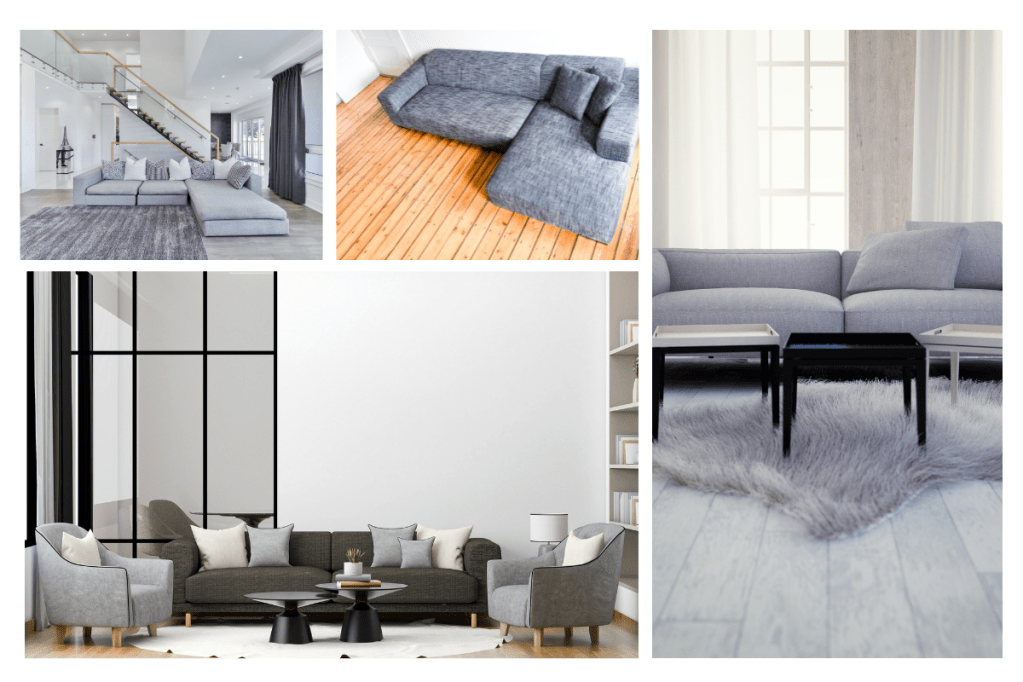
Grey Sofas: The Neutral Choice that Impacts Your Emotions
Grey sofas are popular in home design for good reason. Grey works with any design style, from modern to traditional. Yet, grey sofas have a wider influence. In fact, grey can affect our moods.
Grey doesn’t always mean sadness or depression. A room might feel balanced and quiet with grey. Stability and reliability can also be evoked. Because of this, grey is widely utilized in healthcare facilities to encourage tranquility and well-being.
Grey’s emotional effects go beyond these favorable ones. Grey can also produce a sense of distance or neutrality, which can help us stay calm. In corporate contexts, grey conveys professionalism and impartiality.
The Science Behind Grey: Colour Psychology and Mood Regulation
Psychologists and designers are interested in how color affects emotions and behavior. It’s called color psychology. This field investigates how colors affect mood, behavior, and health.
Grey’s neutrality can affect our emotions, according to color psychology. Grey has been proved to relax and calm people. Because grey is a low-intensity color, it doesn’t overstimulate the brain.
Grey can also convey neutrality or remoteness. This can help us stay calm and objective. Grey walls or furnishings in a courtroom might convey fairness and impartiality.
Grey can have a negative effect on our emotions. Grey is sometimes connected with depression or sadness. Grey is connected with rainy days and cloudy skies. Too much grey in a room can also make things feel drab.
From Dull to Dramatic: Accentuating Your Grey Sofa with Colors and Textures
Grey sofas can be drab, yet they’re adaptable in home design. You can highlight your grey sofa and turn it into a dramatic focal point with the proper colors and materials.
Colorful accents may enhance a grey sofa. Vibrant colors like yellow, pink, or green can pop against the grey background. Use earthy colors like rust, olive, or terracotta for a more muted effect. The grey sofa isn’t overpowered by these colors.
Texture layers lend interest to a grey sofa. Although linen and jute provide a rustic touch, velvet and chenille add luxury. Combining textures can produce a dynamic and visually fascinating look.
Throw cushions and blankets can help bring color and texture to your grey sofa. These elements may warm up a room with color or texture. Just make sure your pillows and blankets match your color scheme and enhance the room’s beauty.
Grey Sofas in Modern Interior Design: Minimalistic Aesthetics and Beyond
Modern interior design features grey sofas due to minimalistic aesthetics. In these designs, the grey sofa’s clean lines and neutral colors create a sleek and modest appeal. Yet, grey sofas can be employed in more intricate and eccentric designs.
For instance, a grey sofa with bright artwork creates a startling contrast. To give texture and interest, mix a grey sofa with patterned wallpaper or textiles. The idea is to balance the neutral grey sofa with the room’s more visually striking features.
Grey sofas can be used in many design styles. A grey velvet sofa adds grandeur, while a grey leather sofa is sleek and modern. Also, a grey sectional sofa can create a cozy and appealing living environment.
Grey sofas are versatile and popular in modern interior design. Whether you like a minimalistic or eclectic style, a grey sofa can serve as a neutral backdrop that can be emphasized with color, texture, and accessories to create a unique and visually intriguing area.
The Dark Side of Grey Sofas: Potential Depressive Effects and How to Counteract Them
Grey sofas may harm our mental health, yet they’re elegant and classy. Grey has been linked to depression, melancholy, and negativity. How can you enjoy a grey sofa despite these potential effects?
Brighten up your color scheme to counteract the depressing effects of a grey sofa. This can be achieved with accent pieces like colorful throw cushions, vivid drapes, or bold artwork. Adding color to your home may energize and uplift it.
Natural features are another approach to offset the negative impacts of a grey sofa. Plants can brighten a room and make it feel more natural. Wood and stone can also add warmth and comfort to a grey sofa.
Lighting should be considered along with brighter colors and natural accents. Bright lighting can boost mood and energy, whereas dim lighting can worsen sadness and negativity. To create a well-lit and appealing atmosphere, add table lamps, floor lamps, and ceiling lighting.
Finally, design a space that suits your tastes. Whether it’s adding artwork or decor you love or combining furniture pieces that make you happy, having a setting that resonates with you can boost your mental health and counteract the negative impacts of a grey sofa.
Conclusion
Grey sofas are a popular choice in interior design, and for good reason. As a neutral colour, grey can complement any design scheme and create a sense of balance and harmony in a room. However, the impact of grey on our emotions is not limited to these positive effects. Grey can also create a sense of detachment or neutrality, which can be useful in situations where we need to remain level-headed.
The science of colour psychology suggests that grey can have a range of effects on our emotions, from promoting feelings of relaxation to evoking feelings of sadness or depression. However, by understanding the impact of grey on our emotions, we can use this versatile colour to create spaces that are both aesthetically pleasing and emotionally balanced.
Grey sofas are a versatile and popular choice in modern interior design. Whether you prefer a minimalistic aesthetic or a more eclectic look, a grey sofa can serve as a neutral backdrop that can be accentuated with colour, texture, and accessories. By understanding the different ways in which grey sofas can be used, you can create a unique and visually interesting space that reflects your personal style and aesthetic preferences.
While grey sofas can be a stylish and versatile choice in interior design, it’s important to be mindful of their potential impact on mental health. By incorporating brighter colours, natural elements, and good lighting into your space, as well as creating a space that reflects your personal style and interests, you can counteract any potential depressive effects and create a space that feels uplifting, energising, and welcoming.
 Hey Singapore