
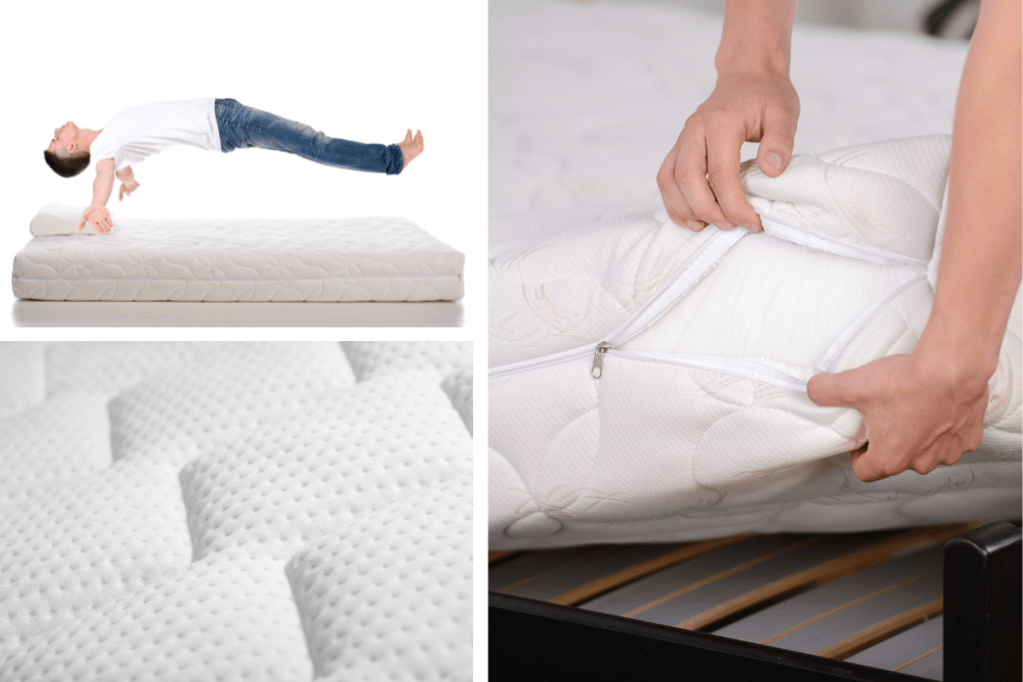
Many aspects go into choosing a bed and mattress. It’s hard to choose between comfort, support, and durability. By following some important recommendations and guidelines, you can confidently traverse the decision process and guarantee that you end up with a bed and mattress that suits your needs and gives a pleasant and restorative sleep experience.
While buying a bed and mattress, comfort is crucial. It’s important that your bed is comfortable as you’ll spend a lot of time there. Your comfort level can be affected by mattress material, stiffness, and bed design.
Support is also vital. A supportive bed and mattress can reduce back and joint pain and enhance sleep quality. Support depends on the mattress type (e.g., innerspring, memory foam, latex), material thickness and density, and bed frame design.
Durability is also crucial. Buying a high-quality bed and mattress can be expensive, so consider durable solutions. The durability and duration of your options can be determined by the quality of the materials, the mattress and bed frame structure, and the manufacturer’s warranty.
The environmental impact of your bed and mattress is equally essential. Using eco-friendly and sustainable materials and production processes helps the world and protects you from hazardous chemicals and pollutants while you sleep.
It’s crucial to try out several beds and mattresses when searching for one. To be sure your choices are good for you, ask questions, try the products, and use trial periods or return policies.
It’s also worth mentioning that choosing a bed and mattress is an ongoing process. Your bed and mattress may need to be modified or replaced as your needs and tastes change.
Maintenance like flipping and rotating your mattress and washing your bedding can also improve its longevity.
In conclusion, choosing a bed and mattress is vital to your health. By considering comfort, support, durability, and environmental effect, and frequently monitoring and maintaining your selections, you can guarantee that your bed and mattress continue to fit your needs and deliver a pleasant and restorative sleep experience.
Buying a bed and mattress requires various considerations. First, set a budget. This will help you choose and avoid overspending. Keep in mind that the cheapest option may not be the greatest for quality and comfort.
Bed and mattress size are another consideration. Which size do you need? Consider about your bedroom area and whether you sleep alone or with a partner. Beds and mattresses that are excessively big or little might be unpleasant or take up too much room.
The mattress is also crucial. Memory foam, innerspring, and hybrid mattresses are available. Do your study and choose the type that best meets your needs and interests.
Another crucial factor is mattress firmness. Some prefer a firmer mattress, while others prefer a softer one. Your stiffness will depend on your sleeping position, weight, and preferences.
Platform beds, box springs, and adjustable bases are also bed frame possibilities. Consider your preferred style and any additional amenities, like as storage or bed height adjustment.
Before buying, try the bed and mattress. To test the mattress’s comfort and support, lie down. Use a store’s trial period or return policy if available.
It’s hard to choose a bed and mattress, but it’s important for your health. It’s hard to choose with so many possibilities. You can simplify the process and make the best option with a few guidelines.
Consider the bed and mattress size first. It should fit well in your bedroom. Consider your body size and the bed and mattress size. Longer beds and mattresses are needed for tall people. If you’re short, a smaller bed and mattress will do.
Next, decide on a mattress. Memory foam, latex, innerspring, and hybrid mattresses are available. Researching each type’s pros and cons is crucial to choose the right one. Latex mattresses are durable and breathable, while memory foam mattresses offer support and pressure relief.
Another factor is mattress firmness. Firm mattresses aren’t always healthier for your back. Your body weight and sleeping posture determine the best firmness level. A softer mattress that molds to your body is best for side sleepers. You’ll need a firmer mattress if you sleep on your back or stomach.
While buying a bed and mattress, don’t neglect the bed frame. Your frame supports your mattress and affects your sleep. Be sure the bed structure is solid and fits your mattress.
Budget last. A good bed and mattress cost a lot, but they’re worth it. Stick within your budget, but don’t sacrifice quality.
There are various aspects to consider while selecting a bed and mattress to ensure a good night’s sleep.
The mattress and bed size are significant. It’s crucial that the bed and mattress fit the room and the user. A bed that is too small might be unpleasant and cause poor sleep quality, while a bed that is too huge can take up too much area.
The mattress’s material is another consideration. It’s crucial to buy a mattress that matches individual demands because different materials give varied levels of support and comfort. Memory foam contours to the body and provides superior support, while latex is natural and breathable.
Another mattress factor is firmness. Some prefer a firmer mattress for support, while others choose a softer one for relaxation. Personal preferences and demands should guide mattress selection.
The quality of a bed and mattress’s materials is also crucial. A high-quality bed and mattress can last for years, while a cheaper one may need to be updated more often.
Consider any new features or alternatives. Adjustable beds and mattresses can raise or lower the head or foot. Additional choices include massage features and customizable stiffness.
It’s worth spending money on a good mattress because it will last a long time. When buying a mattress, consider these tips:
Are you a back, side, or stomach sleeper? It’s crucial to buy a mattress that supports and aligns your body because different sleeping postures require different mattresses.
Assess your physique: The most comfortable mattress depends on your weight and body shape. For instance, a heavier person may need a firmer mattress to avoid sinking, while a lighter person may prefer a softer one for extra padding.
Try different mattress materials: Memory foam, latex, innerspring, and hybrid mattresses are available. It’s best to try out numerous possibilities to find the one that suits you best.
Verify warranties and return policies: When buying a mattress, read the fine print. If the mattress doesn’t work for you, this can safeguard you.
Don’t forget the bed frame: While the mattress is the most crucial part of a good night’s sleep, the bed frame can also affect your comfort. Ensure sure your bed frame can accommodate the weight and size of your mattress.
You may buy a new mattress with confidence by considering these things and conducting your homework. You’ll sleep soundly with the appropriate mattress.
 Hey Singapore