
The development of exact and accurate images of plants and flowers is the art form known as botanical illustration. This style of art is both educational and aesthetically pleasant since it blends scientific precision with aesthetic beauty. In order to make their pictures, botanical illustrators employ a variety of techniques and supplies, such as watercolors, pencils, and digital software. We shall go deeper into the realm of botanical illustration in this essay, including its history, significance, methods, current uses, employment prospects, and difficulties.
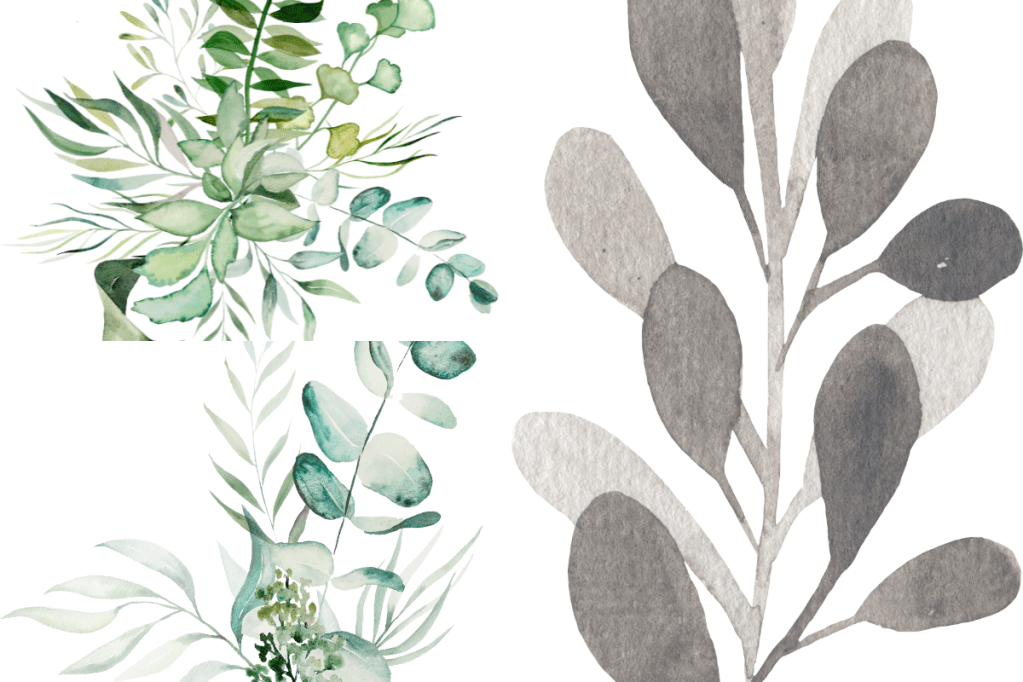
Illustration of Botanical History
The chronicle of botanical illustration is extensive and opulent, stretching back to the earliest renditions of plants in cave paintings. Nonetheless, it was not until the 16th century that the publication of botanical texts featuring depictions of plants and flowers led to the establishment of botanical illustration as a distinct art form. John James Audubon, Maria Sibylla Merian, and Pierre-Joseph Redouté are among the most celebrated historical botanical artists.
Botanical illustration was largely employed for medical purposes in the 16th and 17th centuries since it enabled medical professionals to recognize and learn about various plant types. Wealthy clients frequently commissioned botanical illustrations to adorn their homes during the 18th and 19th centuries, increasing the decorative art form’s popularity.
The Redouté Roses, a collection of watercolor paintings by Pierre-Joseph Redouté that feature over 170 different types of roses, is one of the most well-known examples of botanical illustration from this era. These images continue to be praised for their artistic beauty and scientific accuracy today.
Botanical Illustration’s Value
For a number of reasons, botanical illustration is a significant art form. In the beginning, it offers a visual record of plant species, which is helpful for academic study and conservation activities. Botanical illustrators can assist scientists and researchers in identifying and studying various species as well as tracking changes in plant populations through time by producing accurate images of plants and flowers.
In contrast to photography, botanical illustration enables us to fully appreciate the beauty of plants and flowers. Despite their ability to capture the appearance of plants and flowers, pictures frequently lack the fine detail and depth found in botanical illustrations. Botanical illustrators may help us see and appreciate the beauty of these natural wonders in a fresh manner by producing accurate and detailed pictures of plants and flowers.
Finally, botanical illustrations are an important instructional tool that aid in identifying and teaching about various plant species. Botanical illustrators can assist people in recognizing and comprehending the traits that define each species by producing images that accurately reflect the shape and structure of various plants and flowers. This can be very useful in industries like agriculture, horticulture, and botany.
Equipment & Supplies for Botanical Illustration
Botanical illustrators employ a diverse range of tools and materials to create their works. Watercolors, pencils, and ink are the most frequently utilized supplies due to their capacity to convey fine detail, precision, and a wide array of hues and shades.
In addition to these materials, botanical illustrators make use of specialized equipment such as magnifying glasses, rulers, and tracing paper. Magnifying glasses allow for close examination of the intricate features and textures of the plants being depicted, while rulers and tracing paper aid in ensuring that the illustrations are proportionate and precise.
In recent years, digital tools like Adobe Illustrator and Photoshop have become increasingly popular among botanical illustrators. These tools provide numerous advantages, including the ability to edit and refine illustrations with great accuracy, as well as the capacity to produce high-quality prints and digital copies of images.
Methods for Illustrating Botanicals
Botanical illustrators employ a variety of methods to produce their works. One of the most crucial is observation, which is attentively examining the plant or flower that is being drawn and noting its specifics, such as the size and shape of its leaves, petals, and stems.
Composition, which is organizing the parts of the artwork in a way that is aesthetically pleasant and visually balanced, is another crucial technique. To achieve a harmonic composition, this may need the use of strategies such as symmetry, asymmetry, and negative space.
The pivotal role of color in botanical illustrations is indisputable, as it serves as a conduit for conveying vital information about the plant under scrutiny. The chromatic tonality of a fruit, for instance, may signify its degree of maturation or toxicity, while the hue of a flower can insinuate its unique pollination mechanism. Hence, the significance of utilizing color in botanical illustrations cannot be overemphasized.
To imbue their artwork with a sense of texture and depth, botanical illustrators often employ various shading techniques, such as stippling and cross-hatching. These methods serve to create a three-dimensional appearance, lending the illustrations a lifelike and vivid quality.
Contemporary Uses of Botanical Illustration
Although having a long history, botanical illustration is still a vital and important art form today. Botanical illustration has new uses in areas like product design, branding, and marketing in addition to its traditional uses in scientific study and education.
To evoke a sense of authenticity and naturalness, many businesses, for instance, employ botanical imagery on their packaging and marketing materials. Moreover, patterns for fabrics, wallpaper, and other ornamental objects can be made using botanical images.
In the realm of social media, where artists can share their illustrations with a worldwide audience, botanical illustration has also discovered a new audience. Botanical illustrators now frequently share their work on sites like Instagram and Pinterest where they may connect with other creators and aficionados.
Prospects for a Career in Botanical Illustration
There are numerous opportunities for people who want to pursue a profession in botanical illustration. Illustrations for research and instructional programs are produced by botanical illustrators for many botanical gardens, museums, and universities.
Creating graphics for textbooks and scientific journals as well as for product packaging, promotional materials, and other commercial uses are just a few of the numerous freelance options available.
Also, a lot of botanical artists sell their original artwork and prints on websites like Etsy and Society6. This can be a successful approach for a botanical illustrator to support themselves while also reaching a large, international audience of art lovers and collectors.
Illustration of Botanicals: Difficulties
Botanical illustration has its own set of difficulties despite the fact that it can be a productive and meaningful career. Achieving a high degree of correctness and precision in the pictures is one of the toughest hurdles because even minor mistakes might reduce the illustration’s scientific utility.
The time and effort needed to produce a single illustration is another difficulty. Depending on the level of detail required, botanical illustrations can be completed in a few hours or even over several days. Because of this, illustrators may find it challenging to strike a balance between their artistic endeavors and other responsibilities.
Finally, with so many excellent artists competing for the same opportunities and clientele, competition in the area of botanical illustration may be fierce. New and up-and-coming artists may find it challenging to develop a name for themselves as a result.
Conclusion
A unique and significant art style that combines scientific correctness and artistic appeal is botanical illustration. Botanical illustration has been crucial in preserving and honoring the natural environment from its ancient origins to its contemporary uses. Botanical illustration offers a rich and satisfying artistic experience for artists and lovers alike, whether it is practiced professionally or as a hobby.
FAQs
Does scientific illustration include depictions of plants?
Botanical illustration, which entails producing precise and in-depth representations of plants and flowers, is a type of scientific illustration.
What supplies are employed in botanical illustrations?
In addition to using a variety of supplies like pencils, watercolors, and ink pens, botanical illustrators frequently make use of specialized equipment like magnifying glasses and microscopes.
What traditional uses for botanical illustration are there?
The construction of field guides, herbaria, and botanical collections, as well as scientific research and teaching, have all traditionally benefited from the use of botanical illustrations.
Can illustrations of plants be used in products for sale?
Certainly, botanical illustration has new uses in industries including product design, branding, and marketing. It is frequently used to design fabrics, wallpaper, and other home decor.
Whatever difficulties might a profession in botanical illustration present?
Achieving a high degree of accuracy and precision in the pictures, juggling the time necessary for illustration creation with other responsibilities, and fighting for possibilities in a crowded and competitive sector are a few of the hurdles.
 Hey Singapore