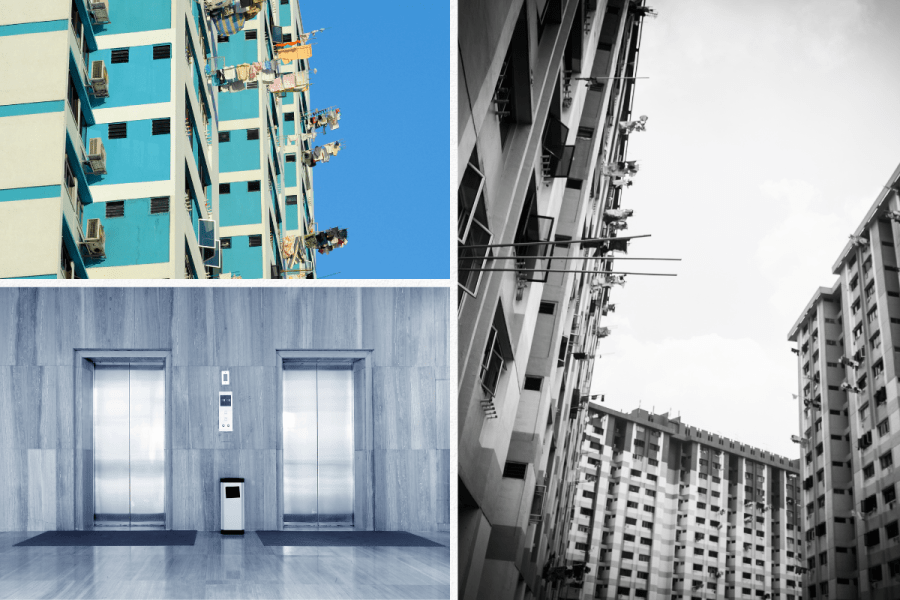
Housing and Development Board (HDB) flats are an integral part of the Singaporean housing landscape, with approximately 80% of the resident population living in HDB flats. These flats are renowned for their affordability, functionality, and accessibility. However, the standardization of HDB flats can often lead to a lack of customization for residents. One of the most significant concerns that arise with HDB flats is the size of the lifts. The size of HDB lifts has been a hotly debated topic for years, with residents, architects, and policymakers all weighing in on the issue. In this article, we will delve into the complexities of the HDB lift size conundrum and offer insights into this highly debated topic.
The Unyielding Debate:
The debate surrounding the size of HDB lifts is multifaceted and complex. There are several factors to consider when determining the optimal lift size, such as building height, number of units per floor, resident demographics, and building design. However, the debate usually boils down to two schools of thought.
According to the first school of thought, larger lifts are required to accommodate larger items such as furniture, strollers, and bicycles. Additionally, larger lifts are better equipped to handle peak-hour traffic, reducing residents’ wait times. In addition, larger elevators make the building more navigable for elderly residents and those with mobility issues.
The second school of thought, on the other hand, contends that smaller lifts are more efficient and cost-effective. Smaller lifts require less energy to operate and occupy less space, enabling the construction of more units per floor. This can lead to more housing options that are affordable for residents. Additionally, smaller lifts are easier to maintain, reducing maintenance costs and minimizing resident downtime.
The Consequences of Inadequate Lift Size:
Regardless of which school of thought one subscribes to, the consequences of inadequate lift size are clear. Inadequate lift size can lead to long wait times, overcrowding, and frustration for residents. This can be particularly challenging for elderly residents or those with mobility issues, who may struggle to navigate the building during peak hours.
Moreover, inadequate lift size can impact the resale value of HDB flats. Potential buyers are likely to consider lift size when purchasing a flat, and smaller lifts may deter buyers, reducing the resale value of the unit.
The HDB Lift Size Guidelines:
To address the concerns surrounding HDB lift size, the HDB has established guidelines for lift size in new flats. The HDB mandates that lifts in new flats must be at least 1100mm in width and 1400mm in depth. However, the HDB also allows for customization of lift size based on the needs of the building and residents. This allows architects and developers to create bespoke solutions that cater to the unique needs of each building.
The Impact of Building Design on Lift Size:
In addition to the factors discussed above, building design can also impact the optimal lift size. Buildings with a single central lift core may require larger lifts to accommodate peak-hour traffic, while buildings with multiple lift cores may benefit from smaller lifts that can be spread out throughout the building. Additionally, buildings with a larger number of units per floor may require larger lifts to accommodate the higher volume of residents.
The Importance of Future-Proofing:
When designing HDB flats, it is important to consider future needs and trends. For example, as more Singaporeans adopt a cycling lifestyle, the need for larger lifts to accommodate bicycles may increase. Additionally, as the population ages, there may be a greater need for larger lifts to accommodate mobility aids such as motorized wheelchairs. Future-proofing HDB flats by designing them with these needs in mind can help to ensure that they remain functional and accessible for years to come.
The Role of Technology:
Advancements in lift technology may also impact the optimal lift size for HDB flats. For example, smart lift systems that use algorithms to optimize lift use may allow for smaller lifts that are more efficient and cost-effective. Additionally, advancements in lift materials and design may allow for larger lifts that take up less space, reducing the impact on building design.
The Importance of Community Feedback:
Ultimately, the optimal lift size for an HDB flat will depend on the specific needs of the residents. As such, community feedback is crucial when making decisions about lift size. Residents can provide insights into their daily routines, storage needs, and mobility concerns, allowing architects and policymakers to design lifts that meet their unique needs.
The Cost of Lift Upgrading:
While upgrading lifts in older HDB buildings can improve accessibility and convenience for residents, it can also be a costly undertaking. Lift upgrading involves replacing older lifts with newer, larger ones, and may require significant changes to the building’s infrastructure. As such, lift upgrading may be challenging for older buildings that were not designed with larger lifts in mind. Additionally, lift upgrading may impact the cost of living in HDB flats, as the cost of upgrading is typically passed on to residents through service and conservancy charges.
The Role of Sustainability:
As Singapore continues to prioritize sustainability and environmental responsibility, the role of lift size in sustainable building design is becoming increasingly important. Larger lifts require more energy to operate and may have a larger carbon footprint than smaller ones. As such, smaller lifts may be a more sustainable choice, particularly in buildings that prioritize energy efficiency and sustainability.
The Importance of Collaboration:
Ultimately, determining the optimal lift size for HDB flats requires collaboration between architects, developers, policymakers, and residents. By working together, stakeholders can ensure that HDB lifts are functional, accessible, and tailored to the unique needs of each building’s residents. Collaboration can also help to ensure that HDB lifts are designed with sustainability and energy efficiency in mind, reducing their impact on the environment.
Conclusion:
The debate surrounding the size of HDB lifts is complex and multifaceted, with both larger and smaller lifts having their benefits and drawbacks. Factors such as building height, number of units per floor, resident demographics, and building design must all be carefully considered when making decisions about lift size. Additionally, the role of sustainability, lift upgrading, and collaboration cannot be overstated. By carefully considering these factors, we can ensure that HDB lifts are functional, accessible, sustainable, and tailored to the needs of each building’s residents.
 Hey Singapore